Window treatment systems are essential components in both residential and commercial spaces, providing privacy, light control, and aesthetic appeal. For B2B buyers—such as purchasing managers, architects, and facility managers—selecting the right window treatment system can be a complex decision influenced by project specifications, material choices, and budget constraints. This article will guide you through the critical factors to consider when choosing window treatment systems, ensuring you make informed decisions that align with your project goals.
Key Specifications to Evaluate
When evaluating window treatment systems, several specifications should be prioritized:
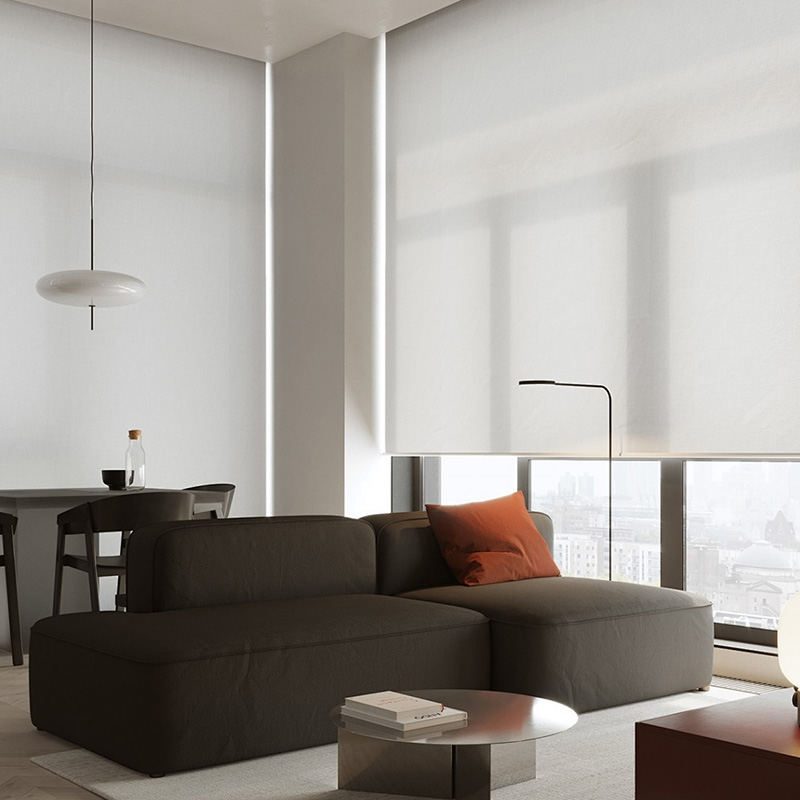
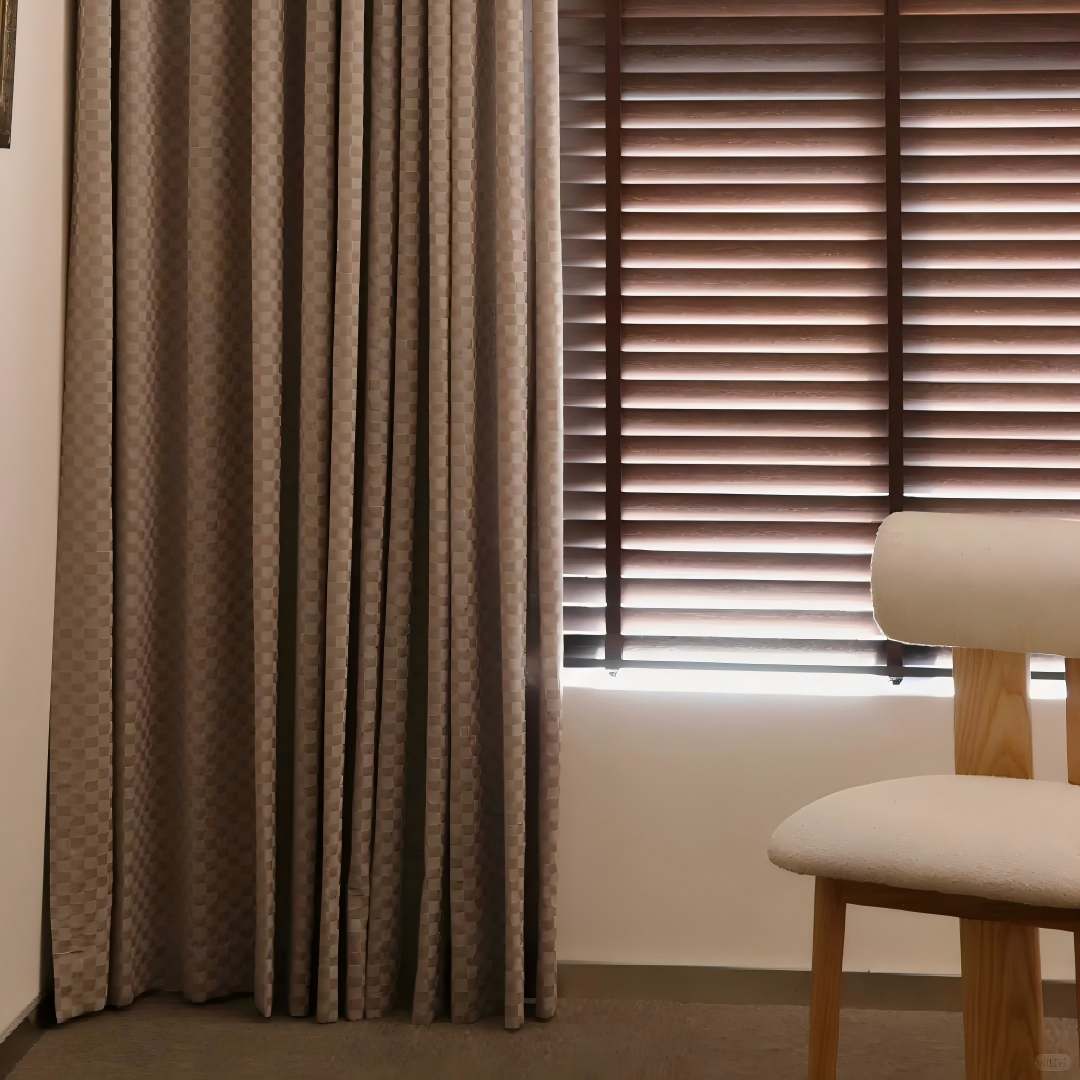
Material: The choice of material affects durability, maintenance, and performance. Common materials include fabric, vinyl, and wood, each offering different aesthetic and functional benefits. For instance, fabric options may provide better insulation, while vinyl is often easier to clean. Consider options like Roller Blinds for a versatile solution.
Dimensions: Accurate measurements are crucial. Ensure that the system is designed to fit the dimensions of your windows perfectly, as even slight discrepancies can lead to operational issues.
Control Mechanisms: Consider the type of control systems available. Options may include manual, motorized, or smart controls, influencing convenience and usability.
Energy Efficiency Ratings: Look for systems that offer energy efficiency benefits, such as UV protection and thermal insulation, which can reduce heating and cooling costs.
Safety Features: For environments with children or pets, consider systems with child-safe mechanisms to minimize risk.
Evaluating these specifications will help ensure that the window treatment system aligns with your project’s requirements and expected performance.