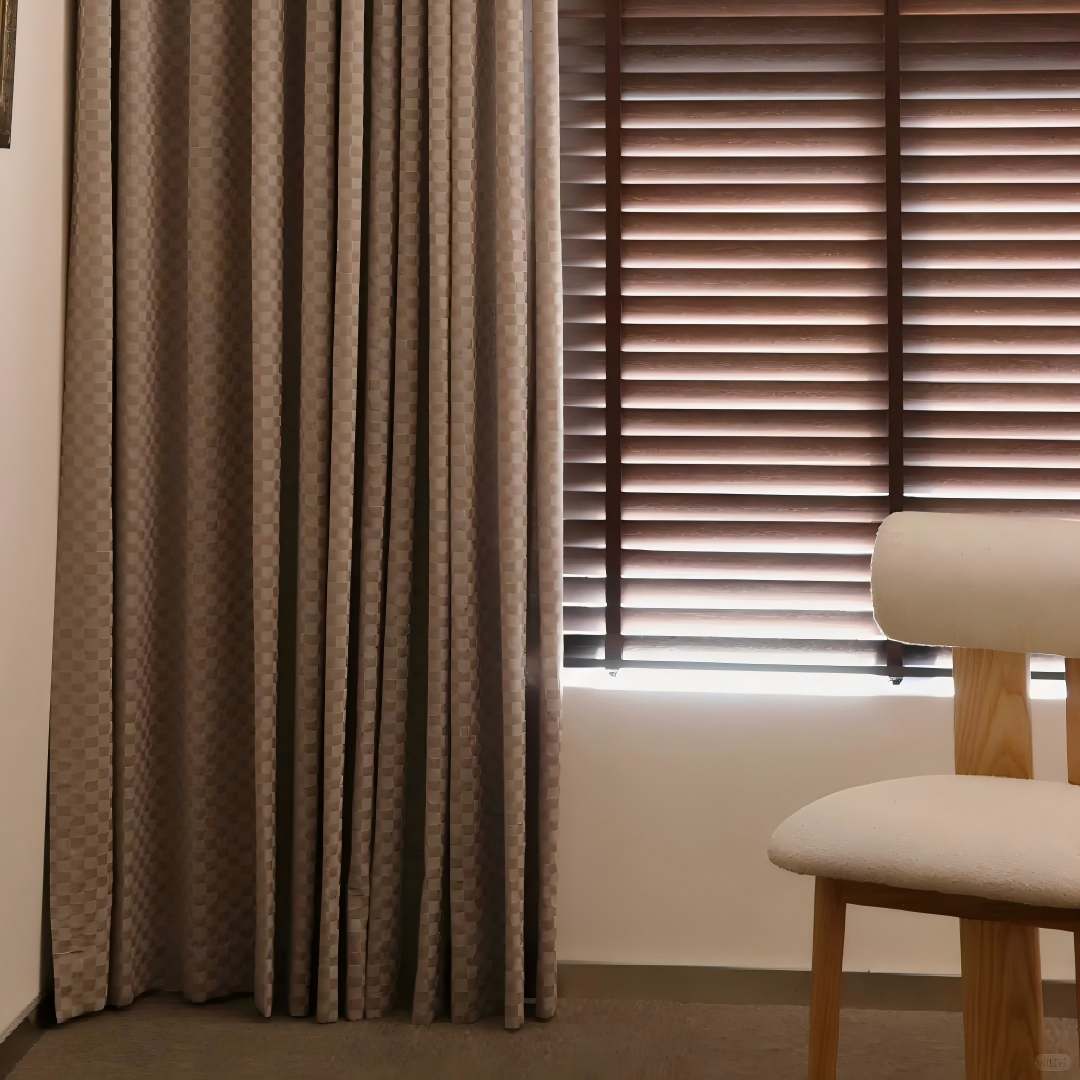
Choosing the Right Window Treatment Systems

window treatment systems

Window treatment  systems  are essential components in both  residential and commercial  spaces, providing privacy,  light control, and aesthetic appeal.  For B2B buyers—such  as purchasing  managers,  architects, and facility managers—selecting the right window treatment  system can be a complex  decision influenced by  project specifications, material choices,  and budget  constraints. This article will guide you through the  critical factors  to consider when choosing window treatment systems, ensuring you  make informed decisions  that  align with  your project goals.
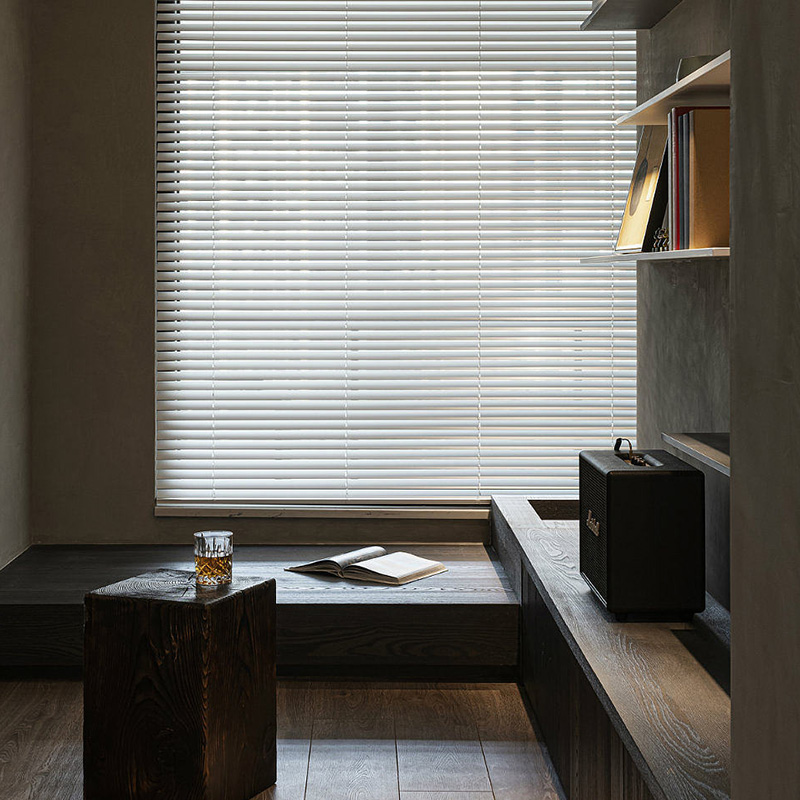
Key Specifications to Evaluate

Key Specifications to Evaluate

When evaluating window treatment  systems, several specifications should be  prioritized:

Material: The choice of material affects durability, maintenance, and performance. Common materials include fabric, vinyl, and wood, each offering different aesthetic and functional benefits. For  instance, fabric options may provide better insulation, while vinyl is often easier to clean. Consider options like Roller Blinds for a versatile solution.

Dimensions: Accurate measurements are crucial. Ensure that the system is  designed to fit the dimensions of your windows perfectly, as even slight discrepancies can lead to operational  issues.

Control  Mechanisms: Consider the type  of control  systems available. Options may include manual, motorized, or smart controls, influencing  convenience and usability.

Energy Efficiency  Ratings: Look for systems  that offer energy efficiency benefits, such as UV protection and thermal insulation,  which can reduce heating and cooling  costs.

Safety Features: For environments  with children or  pets, consider systems with child-safe mechanisms to minimize risk.

Evaluating these specifications  will help  ensure that the window treatment system aligns with your project’s requirements and expected  performance.
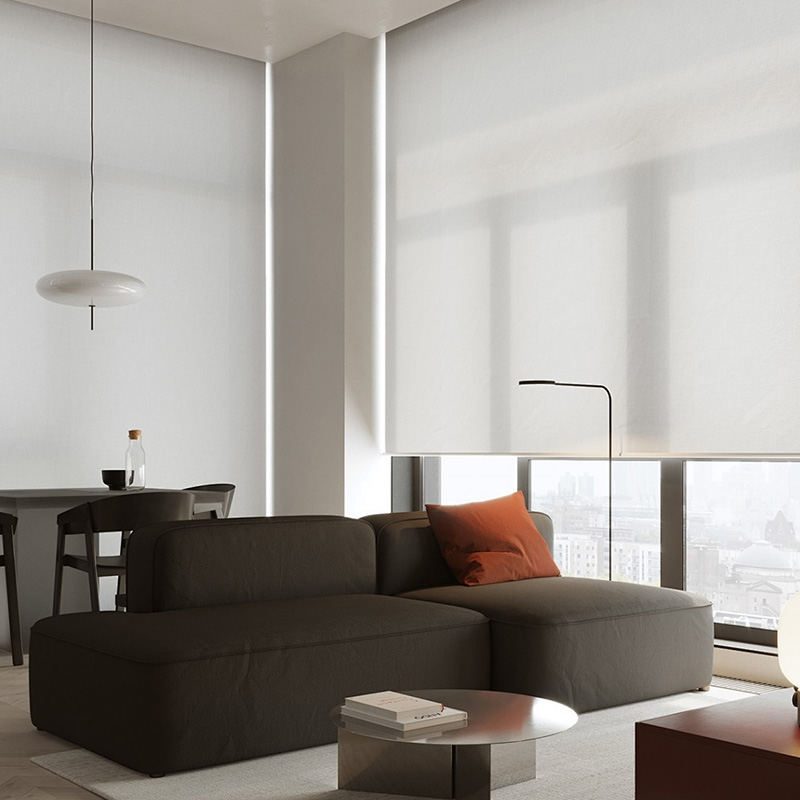
Understanding the Cost Factors of Window Treatment Systems

Understanding the Cost Factors of Window Treatment Systems

The cost of window  treatment  systems can vary significantly based on several factors:

Material Selection: As mentioned, different  materials come with  varying price points. High-end fabrics or wood  treatments tend to be more  expensive than synthetic  alternatives.

Customization: Customized  solutions  tailored to specific dimensions or design preferences  will naturally incur higher costs. Be prepared to provide detailed  specifications when requesting quotations.

Quantity: Bulk orders  may reduce the per-unit cost. Discuss minimum order quantities (MOQ) with suppliers to understand how pricing scales with volume.

Installation Complexity: Systems  that require specialized installation may incur additional labor costs. Assess whether your team can handle installation or if you need to hire external professionals.

Shipping  and Handling: Consider the logistics  costs associated with transporting the window treatments to your project site,  especially if you are importing from manufacturers like Wintom.

By  understanding these factors, you can better manage your budget and make  more effective purchasing decisions.

Installation Guidance for Efficient Window Treatment System Setup

Installation Guidance for Efficient Window Treatment System Setup

Proper installation  is crucial for the effective performance of  window treatment systems.  Here are key steps to consider during the installation  process:

Preparation: Before installation, ensure that all necessary tools and materials are  on hand. This includes brackets, screws, and safety equipment.

Follow  Manufacturer  Instructions: Each  system will  come  with specific installation guidelines. Adhering to these instructions is essential to  avoid complications and ensure optimal functionality.

Double-Check Measurements: Re-measure windows  before installation to confirm accuracy. This step can prevent costly mistakes and  ensure a perfect fit.

Test Functionality: After installing the system, test all functions, including  manual and motorized  controls. This ensures everything operates smoothly before finalizing the project.


Regular Maintenance Checks:  Schedule regular maintenance to ensure long-term performance. This includes cleaning and inspecting mechanisms for wear  and tear.

By following these guidelines, you can  ensure a seamless  installation process and maximize the longevity of your window treatment systems.

Material Advantages of Our Window Treatment Systems Explained

Wintom’s window treatment  systems are designed with a variety of materials, each offering unique advantages for different applications:

Fabric: Ideal for creating a  warm, inviting atmosphere, fabric treatments can provide excellent insulation and light control. They are available in various colors  and patterns, enhancing the aesthetic appeal of any space.

Vinyl: Known for its durability and ease of maintenance,  vinyl is a practical choice  for high-traffic environments. It is resistant to moisture and stains, making it suitable  for kitchens and  bathrooms.

Wood: Wood treatments  offer a classic look and are excellent  for insulation. They are customizable and can be finished in various stains to match interior decor.

Aluminum: Lightweight yet strong, aluminum treatments  are commonly used in  commercial  applications. They provide  a modern look while being low-maintenance.

Understanding the material  advantages will help you select the right window treatment systems that meet both your functional and aesthetic requirements. Additionally, consider Motorized Curtain Tracks for enhanced convenience in your installations.

In summary,  choosing the right window treatment systems involves careful  consideration of project needs, evaluating specifications, understanding cost factors, ensuring proper installation, and selecting the optimal materials.  With these insights, B2B buyers can navigate the complexities of window  treatment procurement  with confidence, leading to successful project  outcomes.

How to Choose the Right Window Treatment Systems for Your Project

Selecting  the appropriate window  treatment system starts with understanding the specific needs  of your project. Consider factors  such as the intended use  of the space, the  desired  aesthetic, and functional requirements  like light  control and insulation.  For commercial projects,  you may prioritize durability and ease of maintenance,  while  residential projects might emphasize  design and comfort. For instance, exploring options like Curtains & Drapery could provide additional design flexibility.

Additionally, assess the compatibility of the  window treatment with existing architectural features. For  instance, if your project involves large windows or unique shapes,  you  may need customized solutions. Understanding these  parameters will help narrow your options and focus on systems that provide the  best fit for your environment.

Frequently Asked Questions

What types of window treatment systems do you offer?

We offer motorized blinds, roller shades, curtains, and smart shading systems designed for residential and commercial use, with customizable fabrics, sizes, and control options.
Yes. Our intelligent window treatment systems support integration with common smart home protocols and can be controlled via remote, app, or home automation systems.
Customization includes fabric selection, color, size, motor type, mounting method, and control interfaces to meet architectural and design requirements.
We provide manufacturer warranty and technical support backed by over 29 years of R&D and production experience, including troubleshooting and replacement guidance.
Contact our sales team with project details (dimensions, desired product, control preferences). We provide prompt quotes, drawings, and technical consultation.

Get Your Custom Project Solution Fast

Commercial Shading / Fire Shutter / Smart Building Projects for Hotel, Office, Airport
Your Name
Email
Mobile
Project Type
Short Message
0/1000

Related product categories