Best Blinds for Office Buildings: A Comprehensive Guide

what blinds are best for office buildings

Selecting the right blinds for office buildings is crucial  for  creating a productive and visually  appealing work environment. The choice of window coverings  affects not only aesthetics but also energy  efficiency, light  control, and  employee  comfort. This article  will help B2B  buyers,  such as purchasing managers and facility managers, understand the different  types of  blinds suitable for office spaces, what specifications to consider, and how to  evaluate  suppliers.  By  focusing  on practical information and industry  insights, we aim to empower buyers to make informed  decisions.
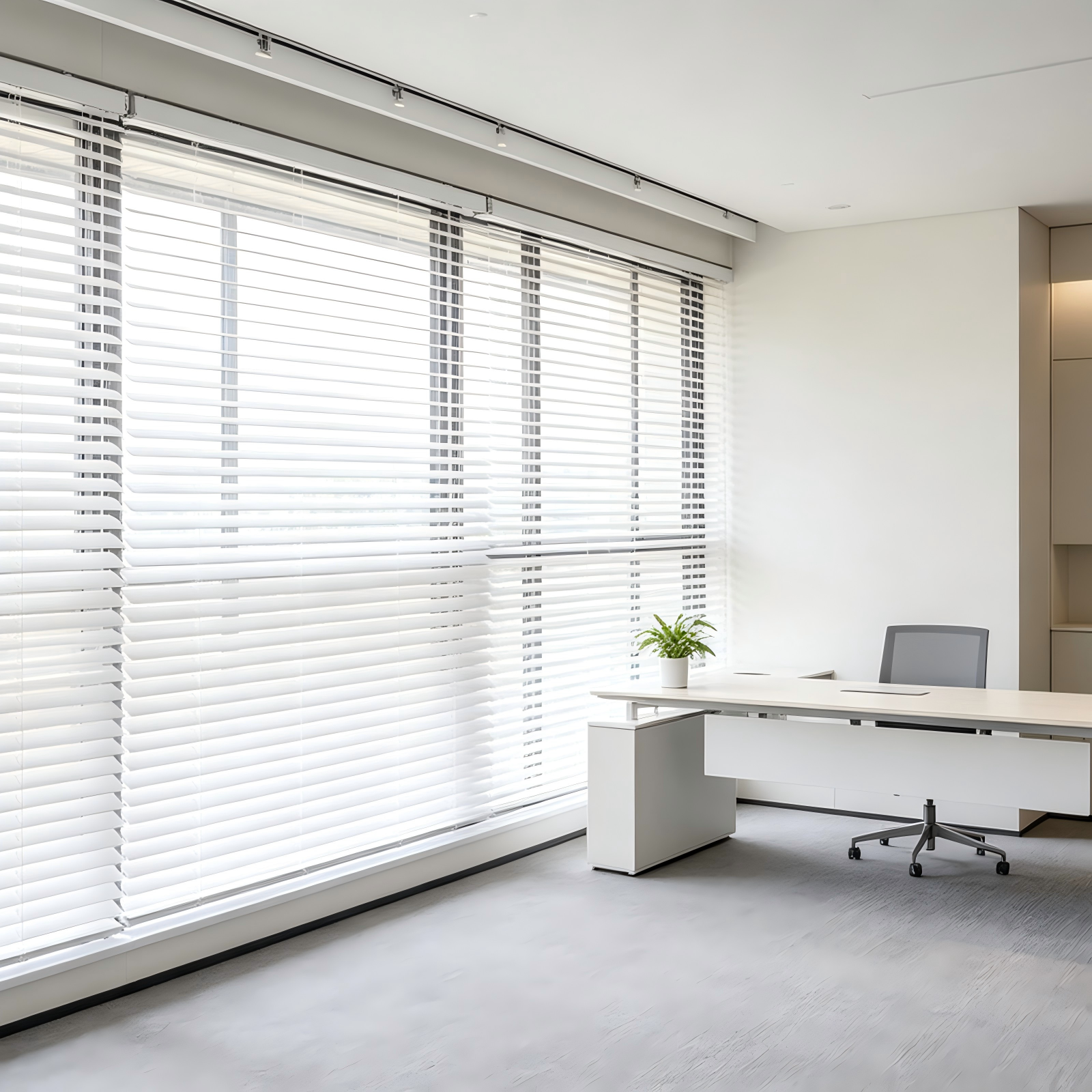
Sourcing Reliable Suppliers

Sourcing Reliable Suppliers

Once the type of blinds is  determined, the next step is sourcing reliable suppliers. Look for manufacturers with a proven track record in producing office blinds. Key considerations include:

Experience  and Heritage: Suppliers  like  Guangdong Chuangming  Shading Engineering Technology Co.,  Ltd,  established in 1997, demonstrate long-standing expertise  in the industry. Manufacturing Capabilities: Evaluate their production facilities and  technologies. Advanced  manufacturing processes ensure higher  quality and consistency  in products. Customization Options: A  good supplier should offer customization capabilities to meet specific design requirements, including size, color, and material preferences. For instance, JD50J Silent Electric Roller Blind can be tailored to fit unique office aesthetics. Certifications and Compliance:  Verify if  the supplier complies with  industry standards  and certifications, ensuring quality and safety  in their products.

By carefully assessing these factors, buyers can establish a partnership with a supplier that  aligns  with their project needs.
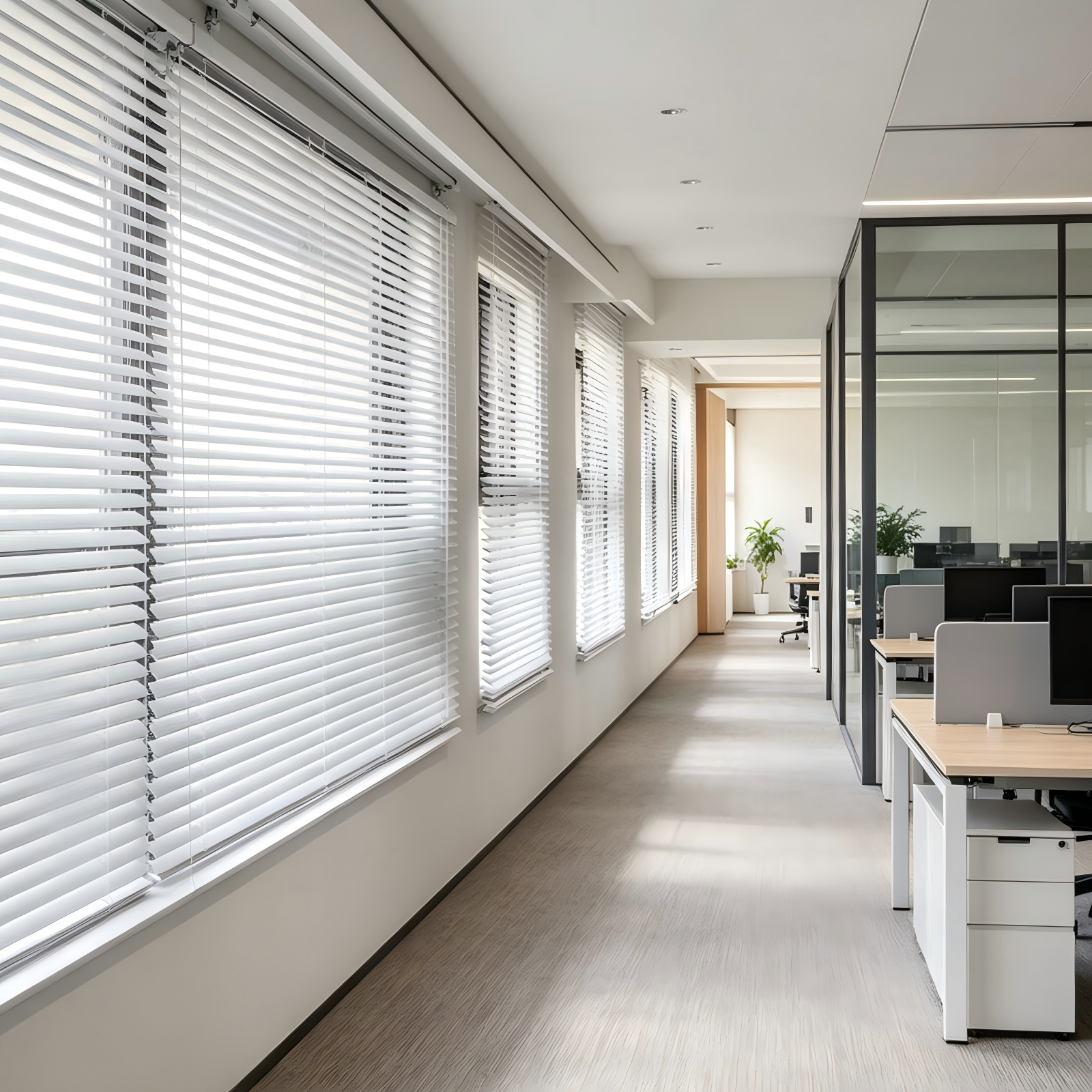
Key Specifications to Evaluate

Key Specifications to Evaluate

When selecting blinds for office buildings, certain specifications  should  be closely evaluated to ensure optimal performance:

Material: The choice  of material affects durability, maintenance, and aesthetics.  Common materials include vinyl, fabric, and wood. Each has unique  care requirements and longevity. Dimensions: Accurate measurements are essential. Blinds must fit the window size precisely to function correctly and provide  adequate coverage.  Light Control: Look for specifications that detail how  much light the blinds  can  block or filter. This is crucial for creating a comfortable work environment. Energy  Efficiency: Some  blinds  are designed  to insulate against heat loss or gain, which  can significantly impact energy  costs. Check for energy performance ratings. 

Understanding  these specifications will help buyers  make informed decisions that align with their specific office  needs.

Choosing Durable Blinds for Office Environments

Choosing Durable Blinds for Office Environments

Durability is a  critical factor when selecting blinds for office settings. The high-traffic nature  of these environments means that window  coverings must  withstand regular use without  showing wear and tear. Consider the following  when  assessing durability:

Material Strength: Blinds made from high-quality  materials are less likely to warp or  fade over time. For example,  aluminum blinds tend to be more  durable than vinyl options. Construction Quality: Examine  the construction of the  blinds,  including the quality of the mechanisms and fixtures. Well-constructed blinds will  operate smoothly for years. Maintenance Requirements: Choose materials that are easy to clean and maintain, as this will  prolong their  lifespan and  maintain the office's aesthetic appeal. 

Selecting durable blinds not  only enhances the office's appearance but also reduces costs associated with frequent replacements.

Enhancing Functionality and Aesthetics

Blinds should serve both functional and aesthetic purposes within an office environment. Here  are ways  to enhance both:

Functional  Features: Look for blinds  that offer additional features such as automated  controls, which can adjust light and privacy levels at the touch of a button. This can improve  energy  efficiency and employee comfort. Aesthetic Design: The design of the  blinds should complement the overall decor of  the office. Consider color schemes and patterns that align with  the company's branding and interior design. Noise Reduction: Some blinds can help in sound absorption, which  is beneficial in open office environments.  Acoustic performance should be a consideration, especially in busy  workplaces.

By balancing functionality with aesthetic appeal, you can create a  workspace  that enhances productivity and employee satisfaction.

In summary, selecting the right blinds for office buildings involves understanding the types  available, sourcing reliable suppliers, evaluating essential specifications,  ensuring durability, and enhancing both  functionality and aesthetics. By taking  these factors into account, B2B buyers can make informed decisions that lead to a more efficient and visually appealing office environment.


A Comprehensive Overview

When considering what blinds are best for office buildings, it’s essential to evaluate various types  available in the market. Common options include roller blinds, vertical blinds,  Venetian blinds, and cellular shades. Each type has its unique advantages:

Roller Blinds: These offer a sleek, modern look and are available in various materials, including blackout fabrics that enhance  light control and privacy. Vertical Blinds: Suitable for larger windows and sliding  doors,  vertical blinds allow for  adjustable light filtration and are easy to clean. Venetian Blinds: Made  from  materials such as aluminum or wood, they provide flexible light control and privacy while adding a  classic touch to decor. Cellular  Shades: Known for their energy efficiency, they trap air  within their cells, helping  in temperature regulation and reducing energy costs. Additionally, options like LM50 Top Track Electric Roman Blind can add both functionality and style to your workspace.

Understanding the specific needs of your office  environment, such as  the level of light control  required and the overall design aesthetics,  will  help in selecting the  most appropriate type of  blinds.

Frequently Asked Questions

Which blinds suit large office buildings best?

High-performance vertical or roller blinds with durable fabrics and motorized controls are ideal for large offices, offering light control, energy savings, and easy maintenance.
Yes. Motorized blinds provide synchronized shading, reduce glare, enable centralized control, and improve productivity without disrupting workflow.
Blinds with reflective or insulating fabrics reduce solar heat gain, lower cooling loads, and can be integrated with building controls to optimize energy use.
Aluminum, PVC-coated fabrics, and reinforced polyester offer strong wear resistance, easy cleaning, and long service life for high-traffic office environments.
Absolutely. Blinds can be tailored by size, fabric, operation (manual or motorized), and control zones to meet privacy, light, and design needs across an office building.

Get Your Custom Project Solution Fast

Commercial Shading / Fire Shutter / Smart Building Projects for Hotel, Office, Airport
Your Name
Email
Mobile
Project Type
Short Message
0/1000

Related product categories