Optimize Office Daylight Management Systems

Office daylight management systems

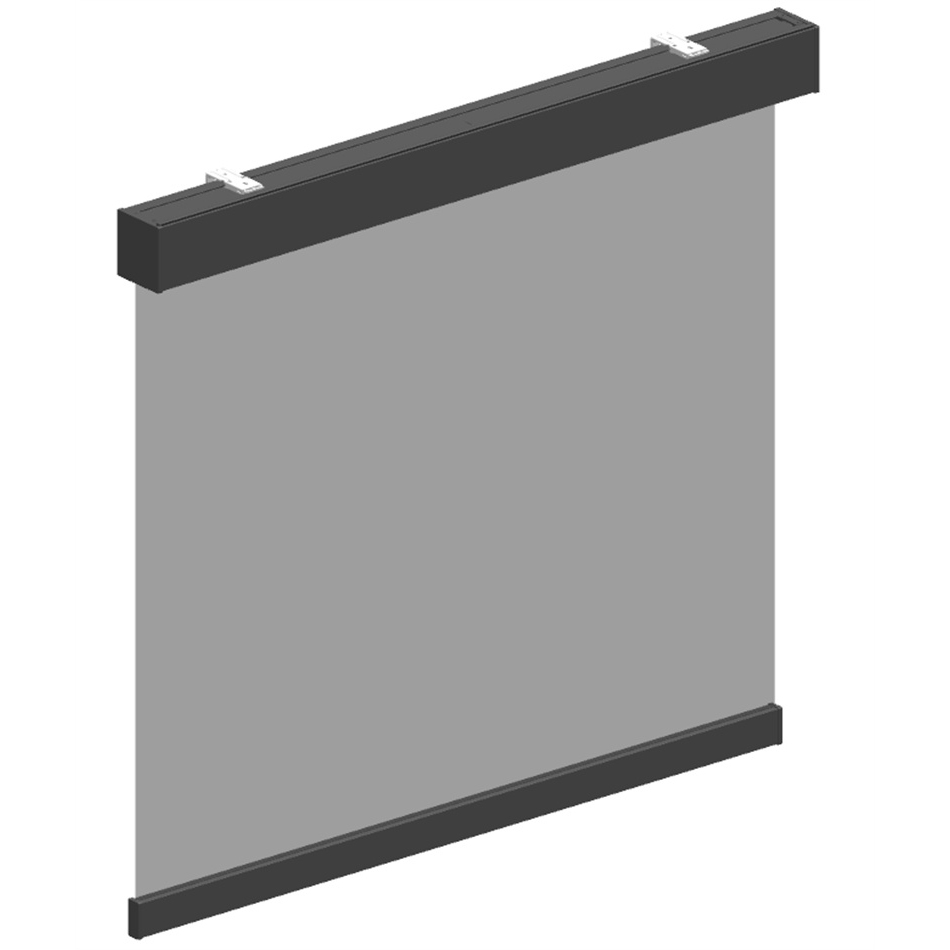
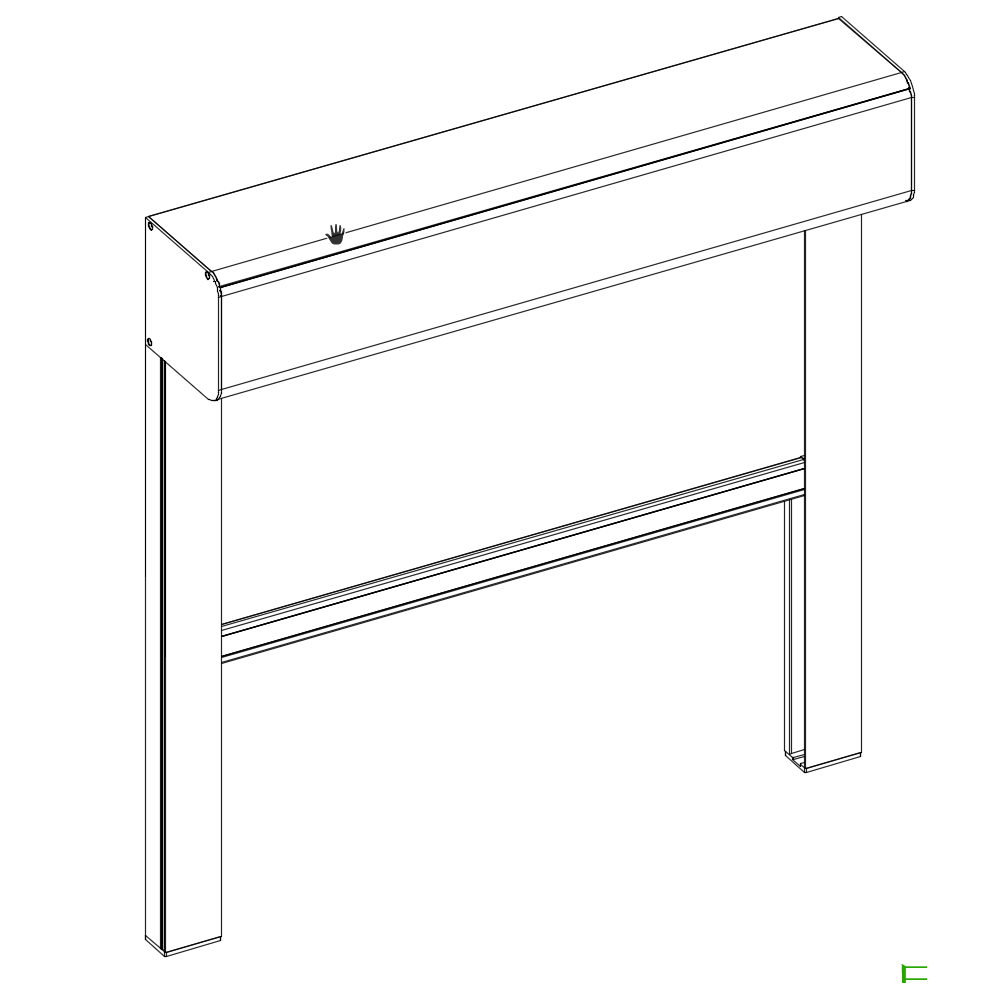
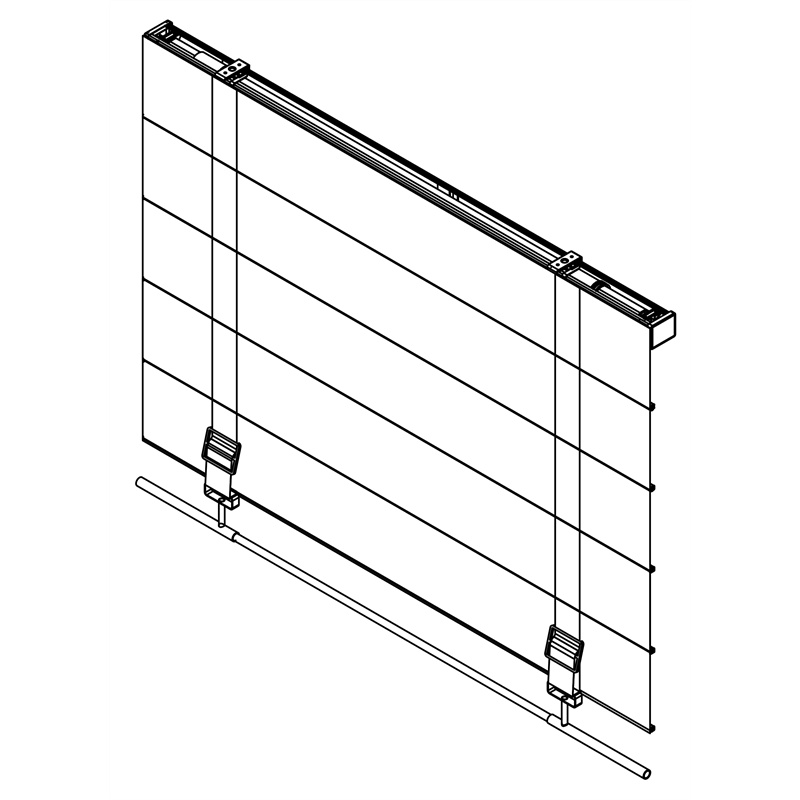
Office daylight management and office commercial blinds systems are essential tools for enhancing energy efficiency and occupant comfort in commercial spaces. These systems harness natural light to reduce reliance on artificial lighting while optimizing the indoor environment. As a purchasing manager or facility engineer, your main concerns may include product specifications, material quality, cost factors, and supplier reliability. This article will guide you through key considerations to help you make informed purchasing decisions regarding office daylight management systems
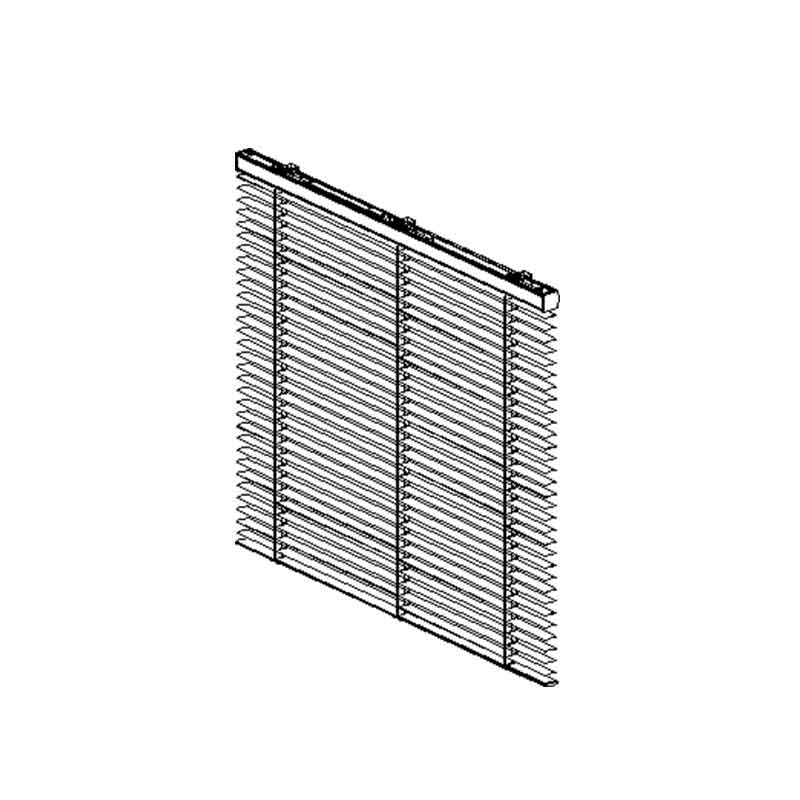
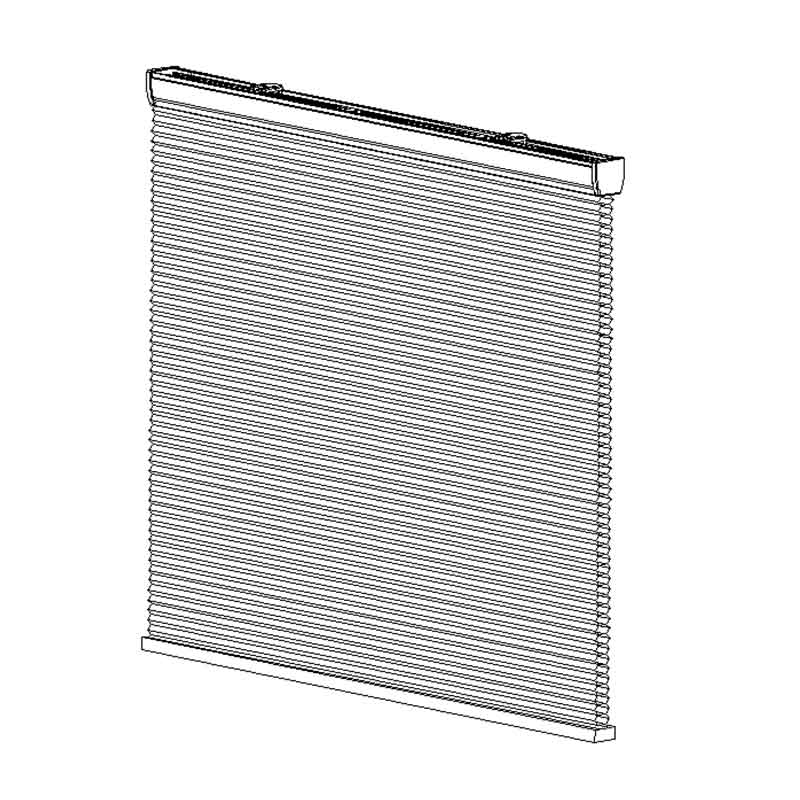
Our Products

Specifications You Need for Effective Daylight Management Systems

When considering Chuangming's office daylight management and commercial building sun shading solutions systems, several specifications are critical for ensuring effective performance. Key specifications include:

Light Transmission Rate (LTR): This indicates how much natural light passes through the material. A higher LTR can enhance the effectiveness of daylight management by reducing the need for artificial lighting

Thermal Insulation Properties: Evaluate the system's R-value, which measures its resistance to heat flow. Higher R-values contribute to better energy efficiency and thermal comfort

Durability and Weather Resistance: Since these systems are exposed to varying environmental conditions, ensure that materials are resistant to UV degradation, moisture, and temperature fluctuations

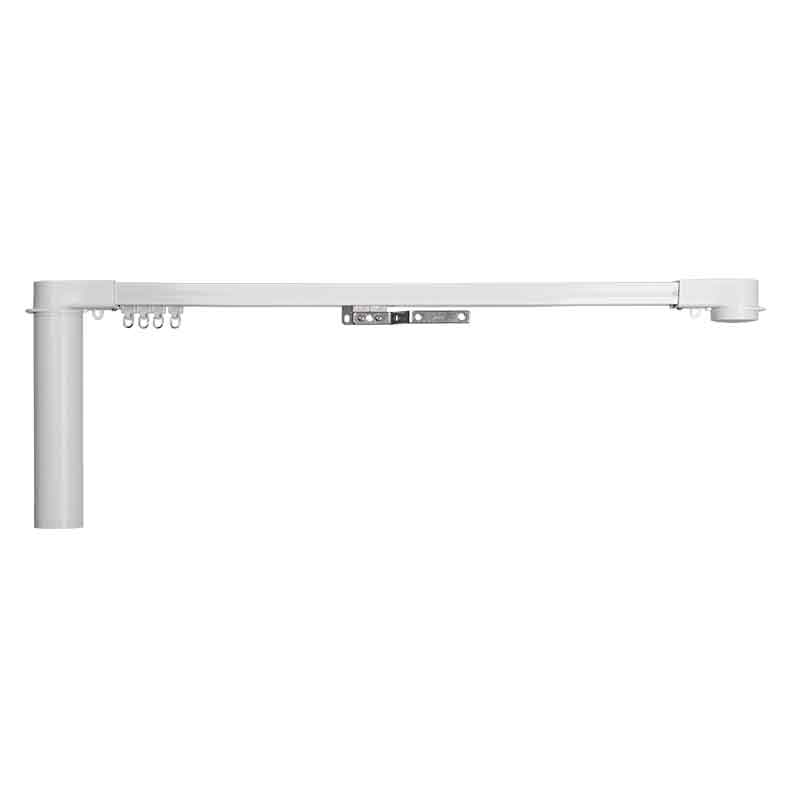
Control Mechanisms: Look for systems that offer automated control options, allowing users to adjust shading levels based on time of day or occupancy, which enhances energy savings

Understanding these specifications will aid in selecting a system that meets your operational needs while optimizing energy use and occupant comfort

Cost Factors to Review for Office Daylight Management Systems

Several cost factors should be reviewed when purchasing Chuangming's office daylight management systems. These factors can significantly influence the overall investment:

Material Costs: The choice of materials directly impacts the system's price. Options range from traditional fabrics to advanced materials that offer superior thermal and light control. Discussing material choices with your supplier can help you balance initial costs with long-term benefits

Installation Expenses: Consider the complexity of the installation process. Systems that require specialized installation may incur higher labor costs. It's advisable to get detailed quotes from installers to understand the total cost of ownership

Maintenance Requirements: Factor in ongoing maintenance costs. Systems that are easier to maintain may save you money in the long run. Additionally, assess warranties offered by suppliers, as these can provide financial protection against defects

Energy Savings: Analyze the potential energy savings that the daylight management system can provide. While the upfront cost may be significant, the reduction in energy bills can offset these costs over time

By analyzing these cost factors, you can make a more informed decision that aligns with your budget and operational goals

Comparing Material Advantages in Daylight Management Systems

The material used in Chuangming's daylight management systems plays a crucial role in their performance and durability. Here’s a comparison of common materials used:

Fabric: Typically used in roller shades, fabrics can vary widely in terms of opacity and light control. They offer versatility in design and can be treated for UV resistance. However, they may require more frequent cleaning and maintenance compared to other materials

Polycarbonate: Known for its durability and impact resistance, polycarbonate is often used in rigid systems. It provides excellent insulation and light diffusion but can be more expensive upfront

Aluminum: Frequently used in blinds and shutters, aluminum offers strength and a modern aesthetic. It's resistant to corrosion and can be easily cleaned, but may not provide the same level of thermal insulation as other materials

Smart Glass: This advanced material can change its transparency based on electrical input. While it offers high-tech benefits, the installation and initial costs can be significantly higher than traditional materials

Understanding the advantages and limitations of each material will enable you to select a daylight management system that aligns with your specific requirements for durability, aesthetics, and performance

How to Make Bulk Orders for Office Daylight Management Solutions

Making bulk orders for office daylight management systems involves several strategic steps to ensure a smooth procurement process:
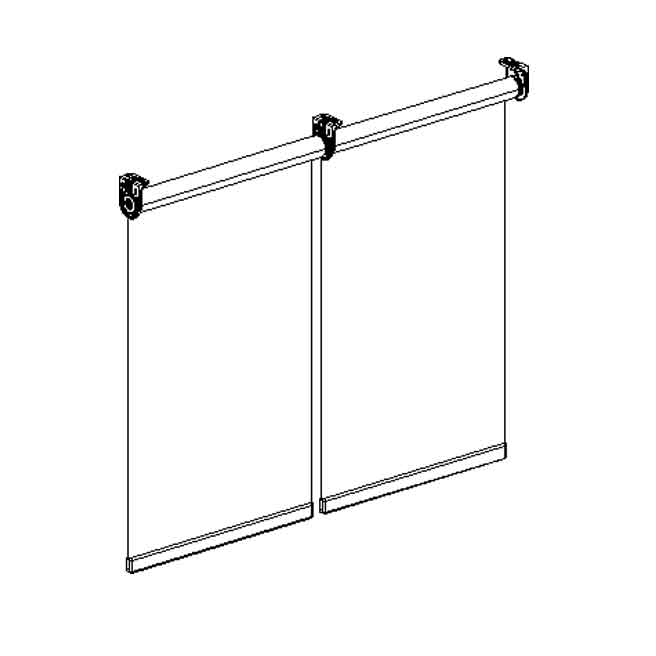
Define Your Requirements: Clearly outline your specifications, quantities, and any customization needs. This includes dimensions, materials, and features such as automated controls

Request Quotes: Approach multiple suppliers to request detailed quotes. Include information about your project timeline, delivery requirements, and any specific compliance issues you may need the supplier to address

Evaluate Proposals: Compare the quotes not only based on price but also on delivery times, payment terms, and warranty conditions. A lower price may not always translate to better value if it compromises quality or service

Negotiate Terms: Once you have selected a preferred supplier, negotiate terms to secure the best deal. Discuss discounts for bulk orders, payment terms, and any guarantees regarding quality or performance

Confirm Details: Before finalizing the order, confirm all details in writing. Ensure that the specifications and terms agreed upon are clearly documented to avoid misunderstandings during production

By following these steps, you can facilitate a successful bulk order process that meets your operational needs and budget constraints

Where to Find Reliable Wholesale Suppliers for Daylight Systems

Finding reliable wholesale suppliers for daylight management and professional commercial blinds systems requires thorough research and evaluation. Start by exploring industry-specific trade shows, expos, and online marketplaces that cater to commercial building solutions. Key platforms like Alibaba and ThomasNet can connect you with manufacturers like Wintom, which has over 29 years of experience in intelligent window decoration. Additionally, industry associations often provide directories of reputable suppliers

When evaluating potential suppliers, pay attention to their manufacturing capabilities, product range, and customer reviews. A manufacturer with an established track record in producing high-quality daylight management systems will likely have better insights into material selection, installation practices, and compliance with local building codes. It’s also important to assess their customer service responsiveness, as timely communication can be crucial during the procurement process

Frequently Asked Questions

What are office daylight management systems?

Integrated solutions that control natural light through automated blinds, shades, sensors and controllers to optimize comfort, energy use and glare in office environments.
They reduce HVAC and lighting load by adjusting glazing, blinds and artificial lighting based on daylight sensors and schedules, lowering electricity and cooling demand.
Yes. Our systems support integration with common BMS protocols and third-party controllers for unified control and scheduling across building systems.
Yes. We design tailored solutions based on window orientation, room usage and aesthetic requirements, using our 29+ years of R&D and production experience.
We offer installation guidance, routine maintenance plans, remote diagnostics and warranty support to ensure reliable long-term performance.

Get Your Custom Project Solution Fast

Commercial Shading / Fire Shutter / Smart Building Projects for Hotel, Office, Airport
Your Name
Email
Mobile
Project Type
Short Message
0/1000

Related product categories