Key Considerations for Commercial Blinds in Bulk

Commercial blinds

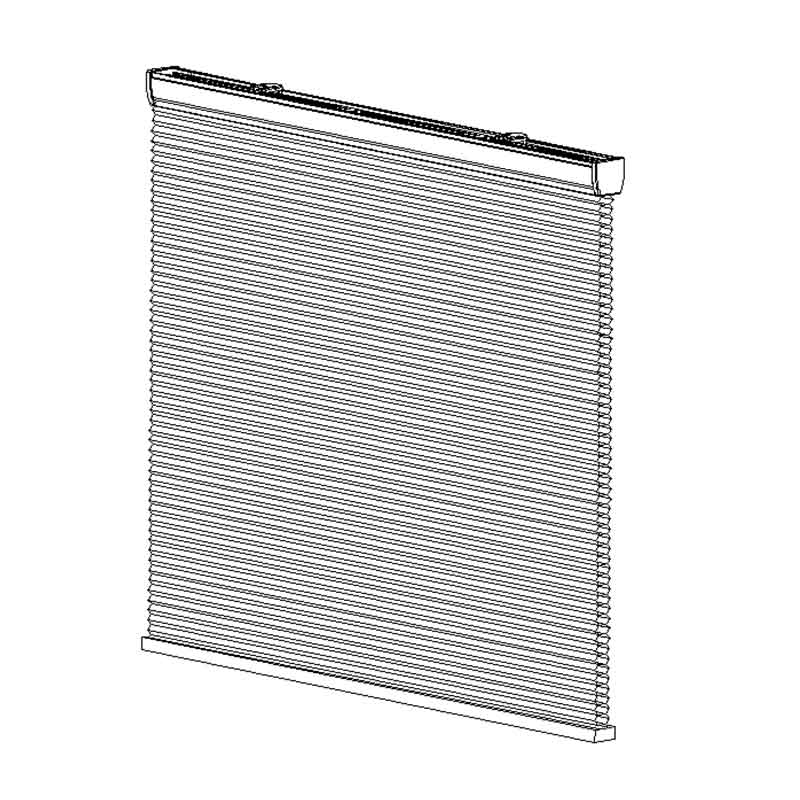
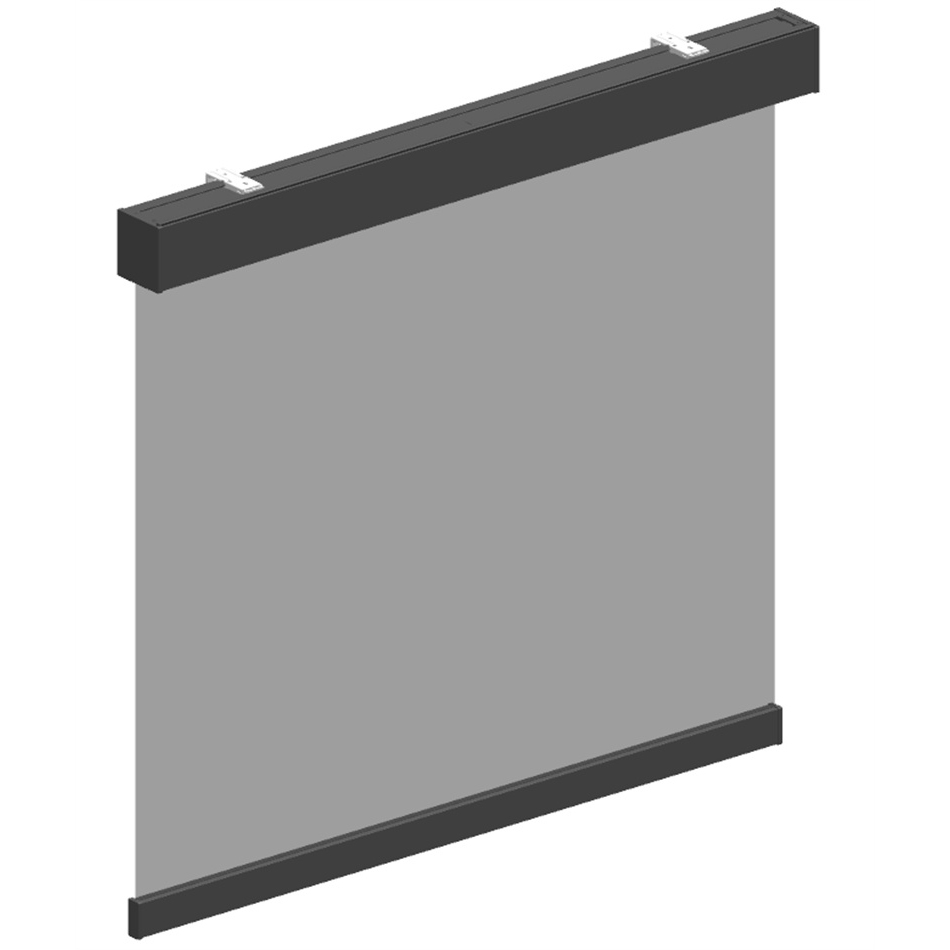
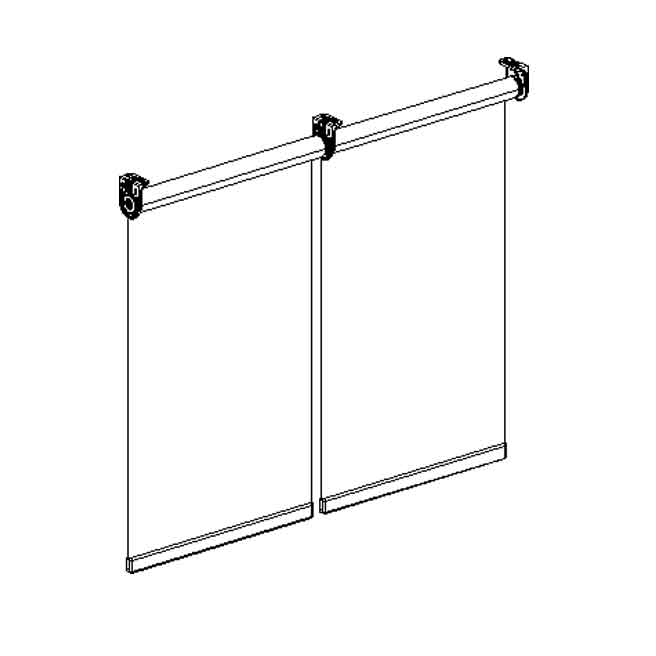
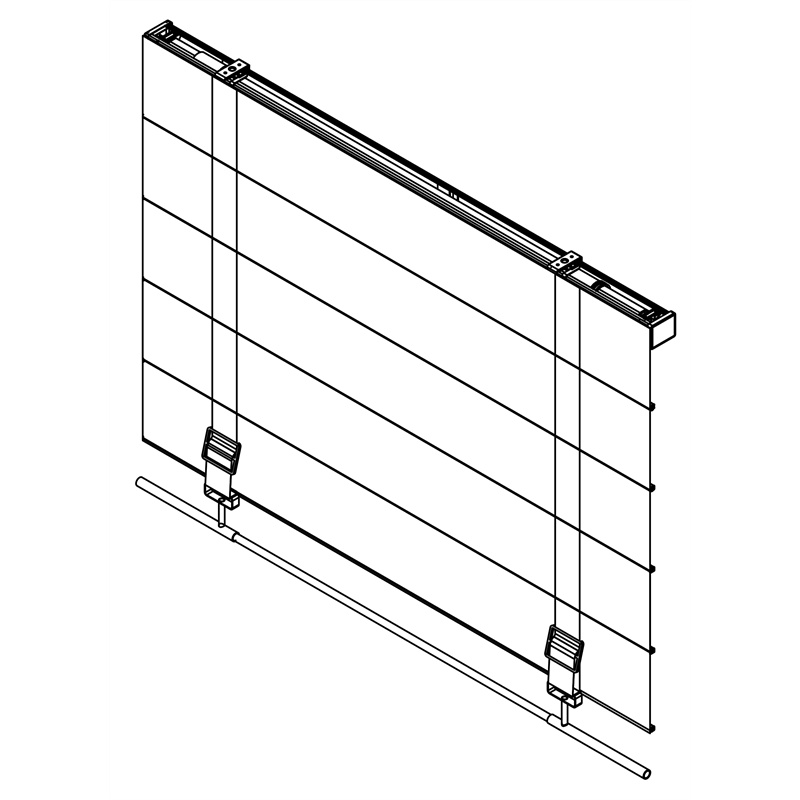
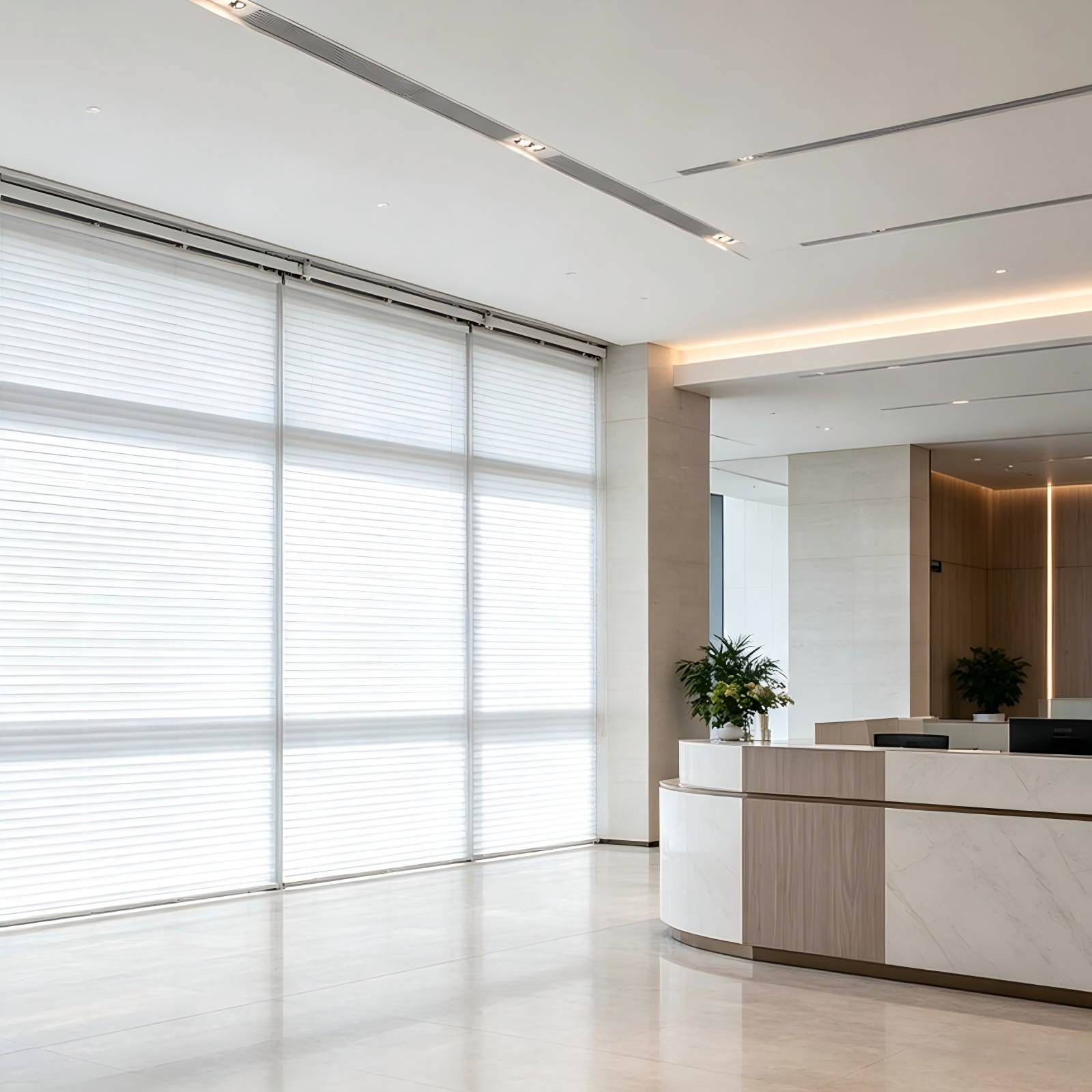
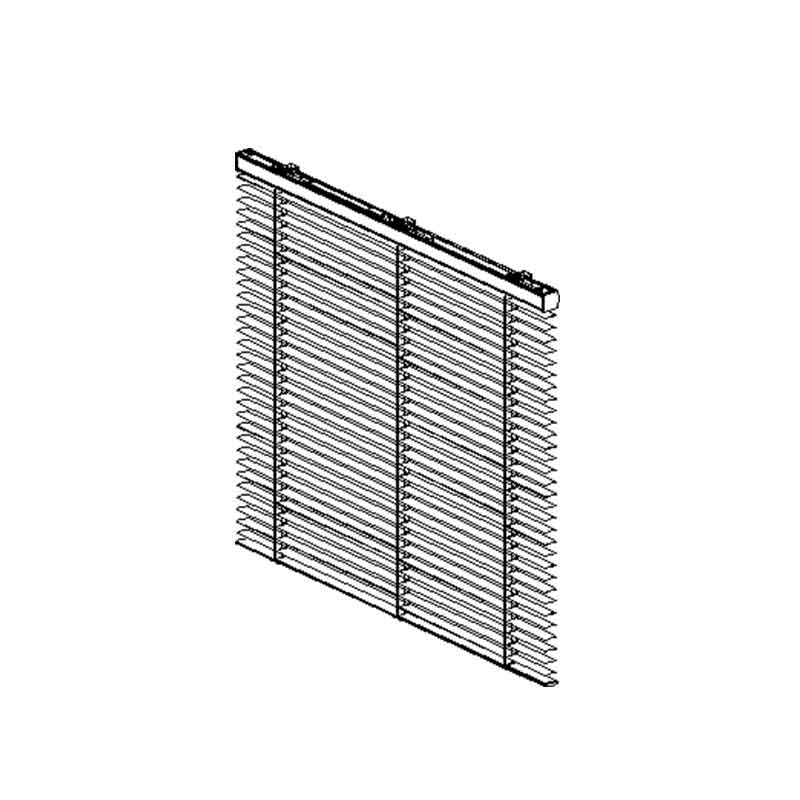
Commercial blinds are essential window coverings in various business environments, providing function and aesthetic appeal. For B2B buyers, concerns often revolve around quality, durability, customization options, and pricing, particularly when ordering in bulk. This article will guide you through key specifications, quality evaluation, material comparisons, cost factors, and the diverse applications of Cassette Roller Blinds, helping you make informed purchasing decisions.
Our Products

How to Evaluate the Quality of Commercial Blinds for Bulk Orders

How to Evaluate the Quality of Commercial Blinds for Bulk Orders

Evaluating the quality of Chuangming commercial blinds is essential, especially when placing bulk orders. Here are several considerations to ensure high standards: 

Material Integrity: Assess the quality of the materials used. For example, aluminum should be corrosion-resistant, and fabrics should be UV-stabilized to prevent fading. Request material certifications from the manufacturer to confirm quality. 

Manufacturing Processes: Investigate the manufacturing processes employed by the supplier. A reputable manufacturer, like Wintom, which has over 29 years of experience, will typically have strict quality control protocols in place and modern production equipment that ensures consistent quality. 

Sample Approval: Before committing to a large order, request samples to evaluate the product's look, feel, and functionality. This step is crucial to ensure that the blinds meet your expectations in terms of quality and performance. 

Warranty and Support: A solid warranty and responsive customer support indicate a trustworthy supplier. Manufacturers should offer warranties that cover defects in materials and workmanship, providing peace of mind for bulk purchases. 

Feedback and Reviews: Research customer feedback and reviews to gauge the experiences of other buyers. This can provide insights into the reliability and quality of the Venetian Blinds and the manufacturer’s service. 

By focusing on these evaluation criteria, buyers can minimize risks associated with bulk purchases and ensure they receive high-quality products.

Comparing Material Advantages for Different Commercial Blinds Types

Comparing Material Advantages for Different Commercial Blinds Types

The material selected for Chuangming commercial blinds significantly influences their performance and suitability for various applications. Here’s a comparison of common materials: 

Vinyl: Known for its affordability and durability, vinyl is water-resistant and easy to clean, making it a popular choice for healthcare and educational facilities. However, it may not offer the same aesthetic appeal as other materials. 

Fabric: Fabric blinds provide a softer look and can be designed in various colors and patterns. They can achieve excellent light filtering or blackout effects, making them ideal for offices or conference rooms. However, they require more maintenance to keep them looking fresh. 

Aluminum: Aluminum blinds are lightweight, durable, and resistant to moisture, making them suitable for high-humidity environments like kitchens and bathrooms. They provide effective light control, but may require more frequent cleaning to avoid dust accumulation. 

Wood: Wooden blinds offer a classic look and can enhance the aesthetic of a space. They are excellent insulators and can provide good light control. However, they are typically more expensive and require careful maintenance to prevent warping or cracking. 

Composite: Composite materials combine the appearance of wood with the durability of synthetic materials. They are resistant to moisture and fading, making them suitable for a variety of commercial settings without the maintenance concerns associated with real wood. 

Understanding the advantages and limitations of each material helps buyers choose the right type of blinds for specific environments and applications. 

Understanding Cost Factors When Purchasing Commercial Blinds in Bulk

Understanding Cost Factors When Purchasing Commercial Blinds in Bulk

When considering bulk purchases of Chuangming commercial blinds, several cost factors come into play: 

Material Costs: The choice of material significantly affects the overall price. Higher-quality materials typically incur higher costs but can provide better durability and longevity, which may offset initial expenses over time. 

Customization: Customization options, such as specific sizes, colors, or operating mechanisms, can increase the price. When requesting a quote, be clear about your customization needs, as these can influence manufacturing lead times and costs. 

Order Quantity: Bulk orders often lead to discounts. However, the minimum order quantity (MOQ) set by manufacturers can vary, so it’s essential to clarify this to ensure you meet the requirements for bulk pricing. 

Shipping and Handling: Consider the impact of shipping costs on the overall budget. Large orders may qualify for more favorable shipping rates, but it’s wise to factor in potential additional costs based on the delivery destination. 

Installation Costs: Depending on the complexity of the installation, additional labor costs may arise. Some manufacturers offer installation services, which can save time but should be included in the overall budget assessment. 

By understanding these cost factors, buyers can better estimate their total investment and make informed purchasing decisions.
Applications of Commercial Blinds in Various Industrial Settings

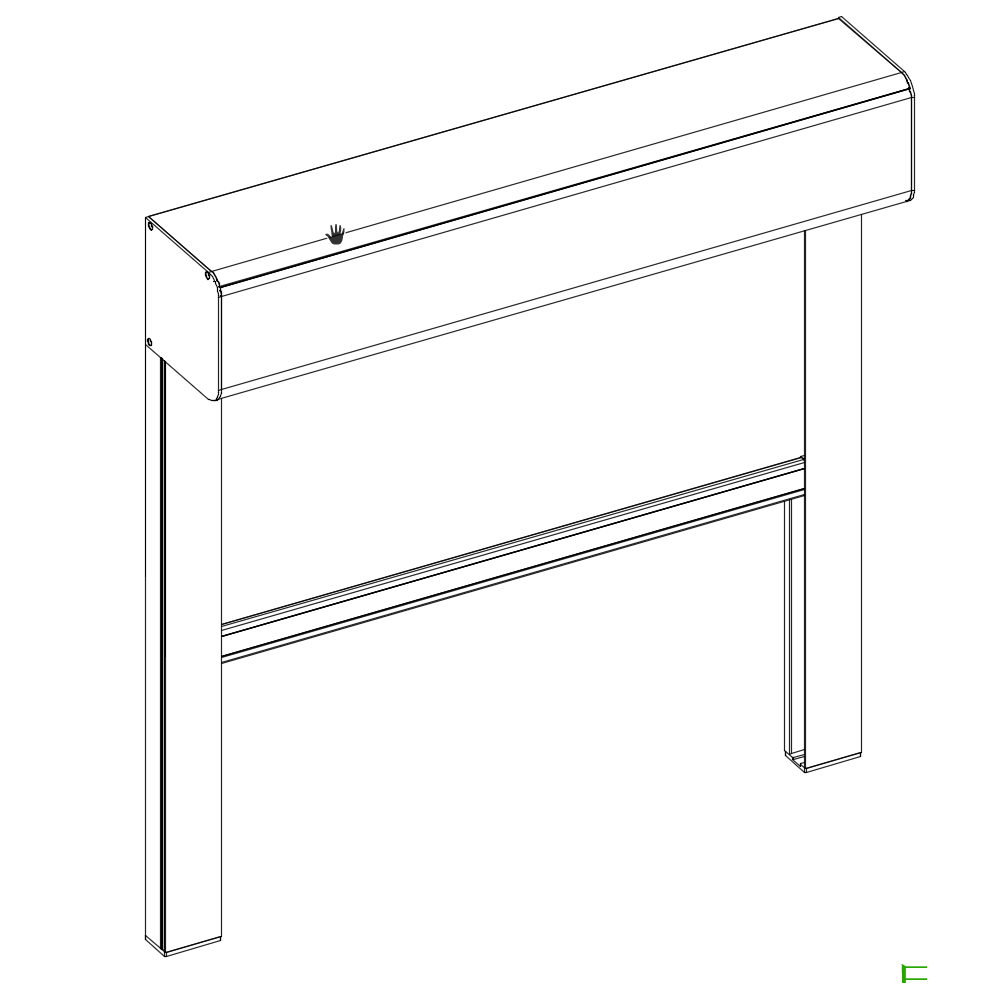
Commercial blinds serve diverse applications across various industrial sectors. Here are some examples: 

Office Spaces: In corporate environments, blinds help regulate light and provide privacy. They can also enhance energy efficiency, contributing to a comfortable working atmosphere. 

Healthcare Facilities: In hospitals and clinics, commercial blinds need to be easy to clean and maintain while providing effective light control. Vinyl or composite materials are often preferred to meet hygiene standards. 

Educational Institutions: Schools and universities utilize blinds to manage classroom lighting and enhance student focus. Durable fabric or aluminum options are commonly selected for their ease of maintenance. 

Retail Environments: Retail spaces benefit from aesthetic appeal, making fabric or wooden blinds popular choices. They can help control natural light to showcase products effectively while providing a welcoming atmosphere. 

Hospitality Industry: Hotels and restaurants often opt for stylish blinds that enhance the decor while offering guests privacy. Customization is key in this sector to align with branding and design themes. 

Manufacturing Facilities: In industrial settings, blinds can help control temperature and light exposure in work areas. Durable materials that can withstand varying conditions are essential for these applications. 

Understanding the specific needs of each application helps buyers select the most suitable commercial blinds, ensuring they meet functional requirements while contributing positively to the environment. 

Key Specifications to Consider

When selecting commercial blinds, several key specifications must be considered to ensure they meet the functional and aesthetic demands of your project. 

Material: The choice of material impacts durability, maintenance, and light control. Common materials include vinyl, fabric, aluminum, and wood. Each material has distinct characteristics that affect longevity and appearance. 

Dimensions: Accurate measurements are crucial. Blinds must fit the window size precisely to function correctly. Consider factors like depth and width, as well as whether the blinds will be mounted inside or outside the window frame. 

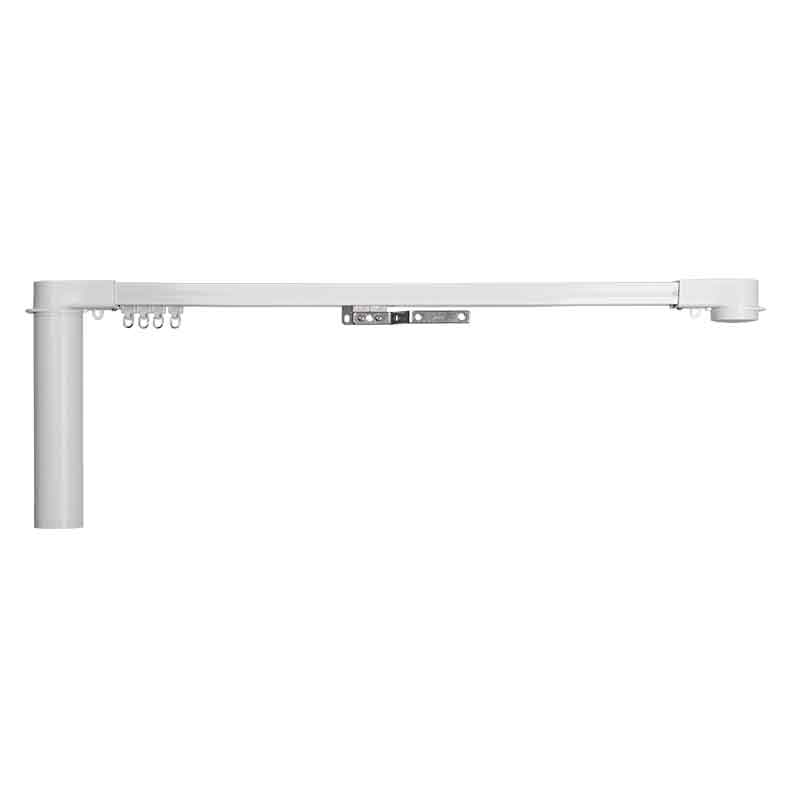
Operating Mechanism: Commercial blinds can feature various operating mechanisms, including manual, cordless, or motorized options. Motorized blinds offer convenience and ease of use in larger spaces, while manual options may be more cost-effective for smaller applications. 

Light Control and Privacy: Different styles, such as blackout or sheer, offer varying levels of light control and privacy. Understand your requirements based on the specific environment where the Silent Roller Blinds will be used. 

Energy Efficiency: Some materials and designs can enhance energy efficiency by reducing heat gain or loss through windows. This can lead to significant cost savings on heating and cooling. 

Understanding these specifications allows buyers to select blinds that align with their functional needs and aesthetic preferences while ensuring compatibility with their commercial spaces.

Frequently Asked Questions

What types of commercial blinds do you offer?

We provide motorized, manual, roller, vertical, and blackout commercial blinds suitable for offices, hotels, and public buildings, with customizable fabrics and sizes to meet project needs.
Yes. With 29+ years of R&D, we supply intelligent motorized and automated control options compatible with wall switches, remotes, timers, and building management systems.
Absolutely. We handle large-scale projects with bespoke sizes, colors, fabrics, and control systems, plus project management support from specification to installation.
We offer product warranties and after-sales support including technical assistance, spare parts, and maintenance guidance. Warranty terms vary by product and project scope.
Contact our sales team with project details (dimensions, quantity, desired features). We provide drawings, samples, and tailored quotations promptly.

Get Your Custom Project Solution Fast

Commercial Shading / Fire Shutter / Smart Building Projects for Hotel, Office, Airport
Your Name
Email
Mobile
Project Type
Short Message
0/1000

Related product categories