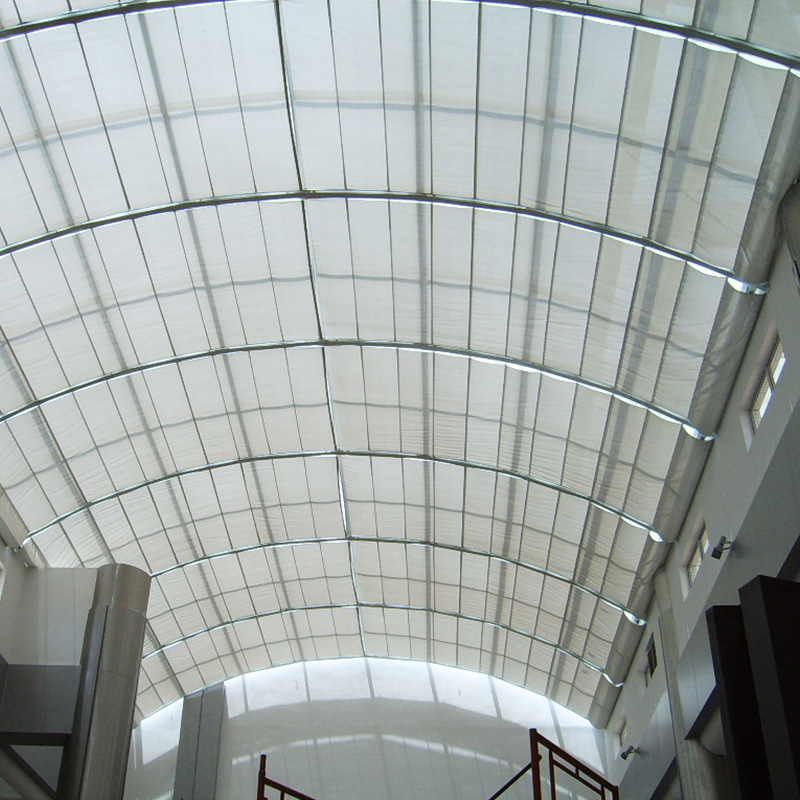
Intelligent shading systems are advanced solutions that enhance energy efficiency and comfort in various environments by automatically adjusting to light conditions. For B2B buyers, such as purchasing managers and engineers, selecting the right intelligent shading system involves understanding product specifications, application suitability, and cost factors. This article will guide you through the essential considerations for your project, helping you make informed decisions when sourcing these innovative systems. For example, if you're looking for a reliable solution, consider the LM50 Top Track Electric Roman Blind for its efficiency and design.
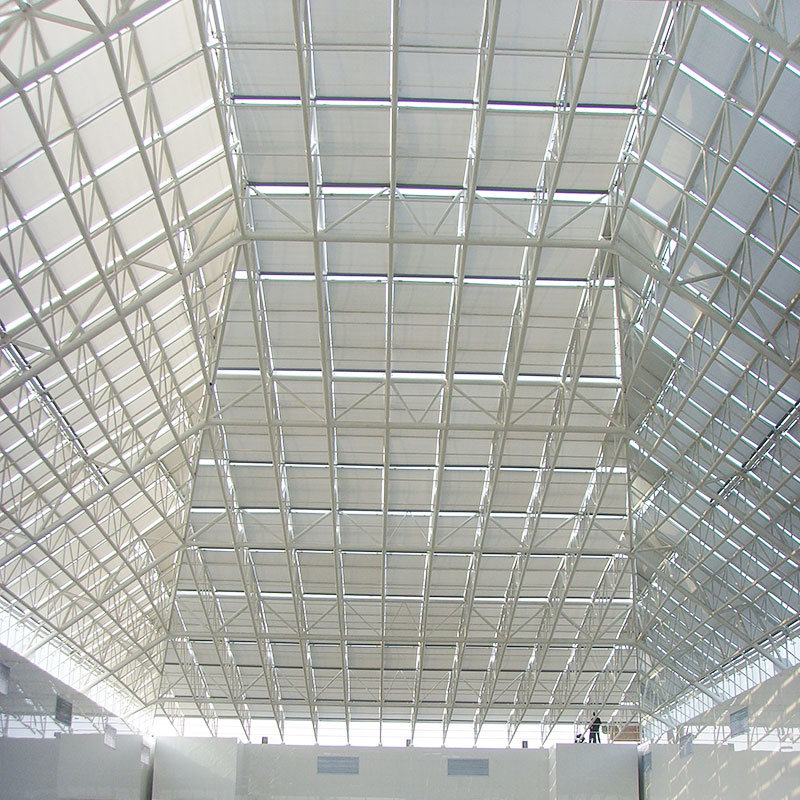
Key Specifications of Intelligent Shading Systems You Should Know
Understanding the key specifications of intelligent shading systems is essential for making informed purchasing decisions. Important factors include:
Material: The choice of material affects durability, maintenance, and energy efficiency. Common materials include fabric, aluminum, and PVC, each offering different levels of insulation and light filtering.
Dimensions: Accurate measurements of window sizes are crucial for ensuring a proper fit. Systems must be tailored to specific window dimensions to function effectively.
Control Options: Systems can vary in their control mechanisms, from manual adjustments to sophisticated smart technology that allows for remote operation and scheduling.
Energy Efficiency Ratings: Look for systems with energy performance ratings, such as solar heat gain coefficients (SHGC) and U-values, which indicate thermal performance. These ratings help determine the system's effectiveness in reducing energy costs.
Installation Requirements: Some systems may require professional installation, while others are designed for easier DIY setup. Understanding these requirements will help you plan your project timeline and budget accordingly.