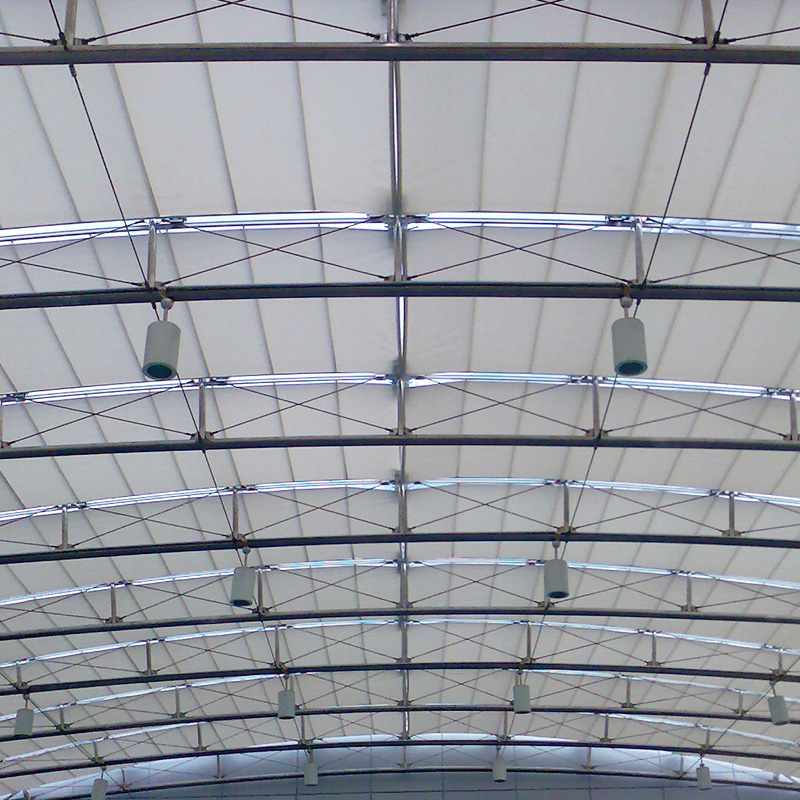
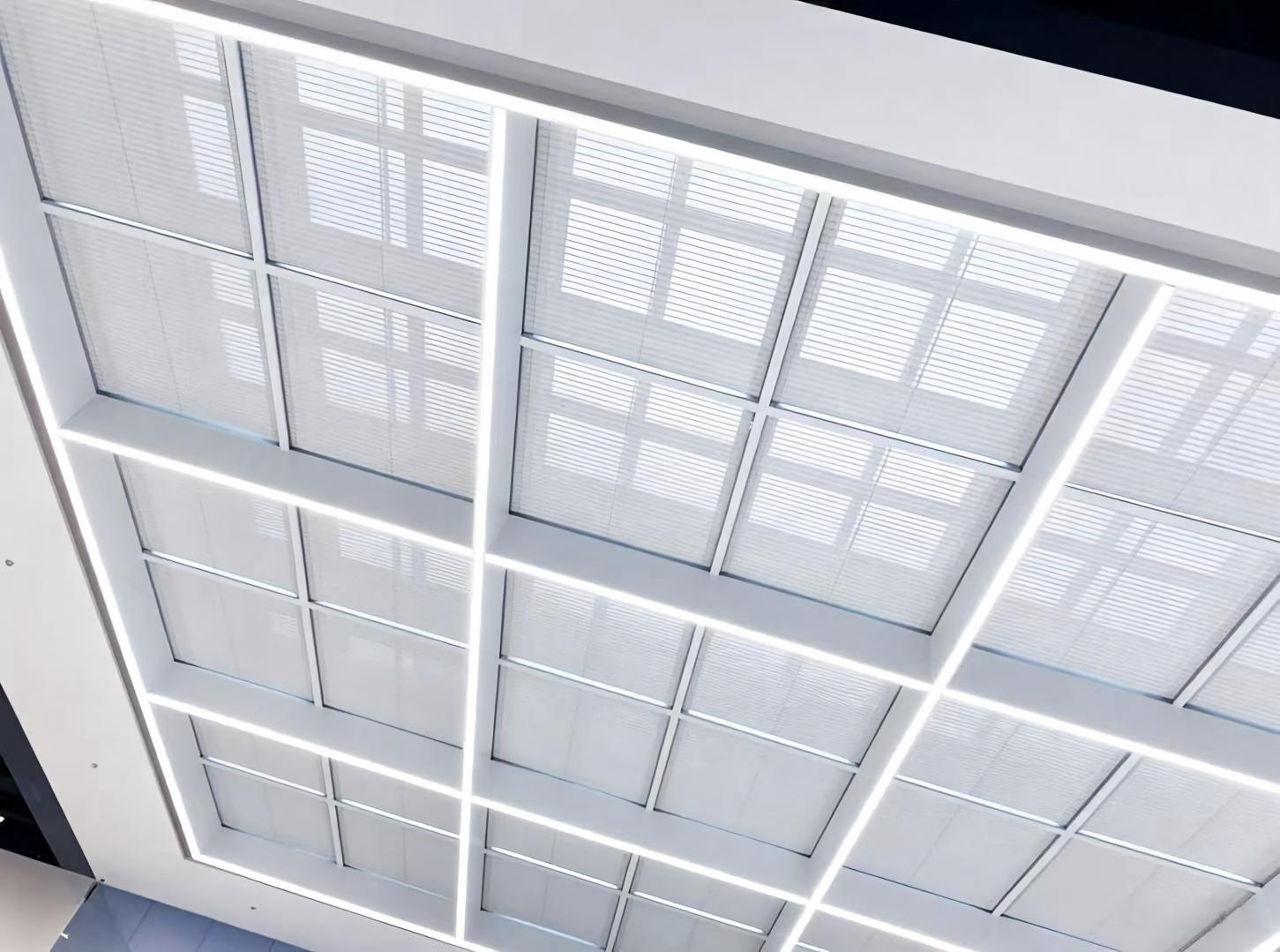
Integrated shading systems are increasingly becoming essential for modern buildings, offering both aesthetic appeal and functional benefits such as energy efficiency and privacy control. For B2B buyers, particularly purchasing managers and engineers, selecting the right integrated shading system involves understanding various factors, including specifications, supplier reliability, and cost implications. This article will guide you through evaluating reliable suppliers, key specifications to consider, quality comparisons, a systematic approach to purchasing, and cost factors that influence decisions in this specialized market.
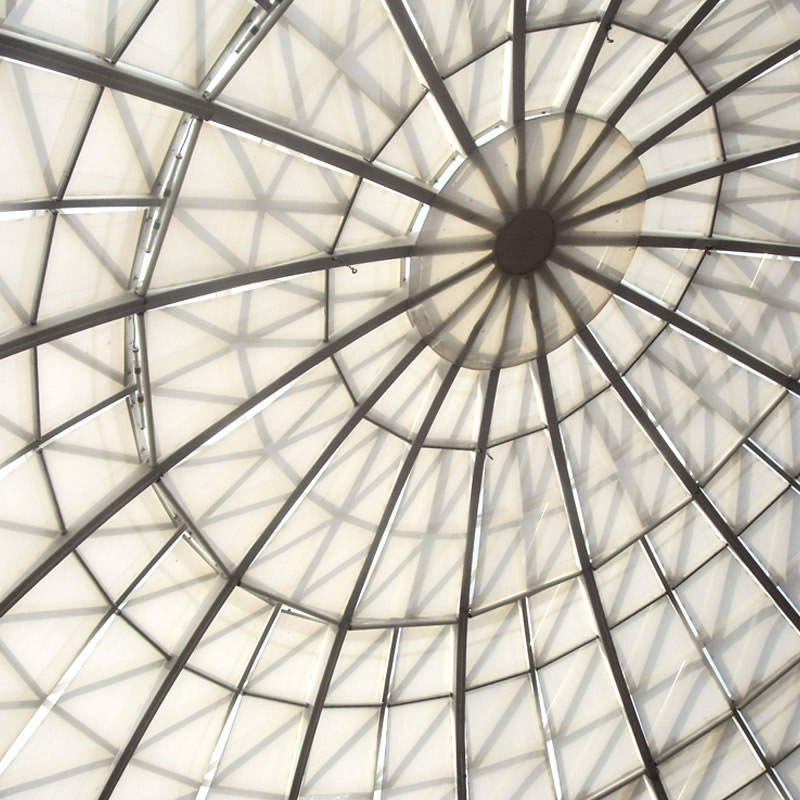
Key Specifications for Integrated Shading Systems You Should Know
Understanding the technical specifications of integrated shading systems is vital for ensuring they meet your application needs. Key specifications include material composition, dimensions, and operational performance.
Materials: Common materials include aluminum, fabric, and polycarbonate, each offering different benefits. For example, aluminum is durable and provides excellent insulation, while fabrics can enhance aesthetic appeal and offer various light-filtering options.
Dimensions: The size and shape of the shading system must align with your window specifications. Buyers should confirm measurements and fit to avoid installation issues.
Operational Performance: Key performance parameters include UV protection, light control, and thermal insulation. Assessing these factors will help you choose a system that meets the specific energy efficiency goals of your building.
Customization Options: Many suppliers offer customization, allowing you to tailor the shading system to your unique requirements. Inquire about the range of options available, such as color, size, and mechanism types.