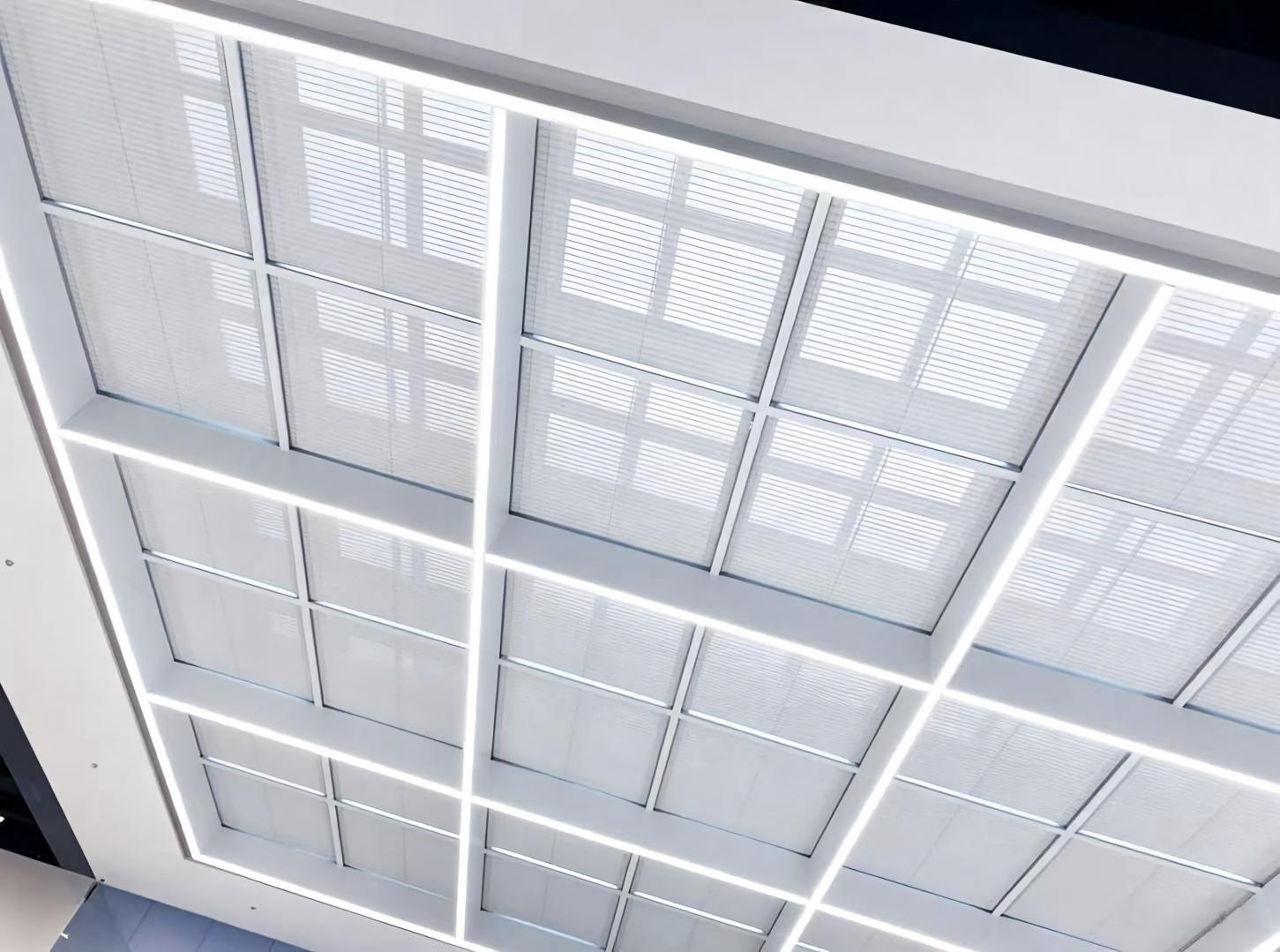
Key Factors in Integrated Shading Systems

integrated shading systems

Integrated  shading systems are increasingly becoming essential for modern buildings, offering both  aesthetic appeal and functional benefits such  as energy efficiency  and privacy control. For  B2B buyers, particularly purchasing managers and  engineers, selecting the right integrated shading system involves understanding  various  factors, including specifications, supplier reliability, and cost  implications.  This article will  guide you  through evaluating  reliable suppliers,  key  specifications to consider, quality comparisons,  a  systematic approach to  purchasing, and cost factors that  influence decisions in  this specialized market.
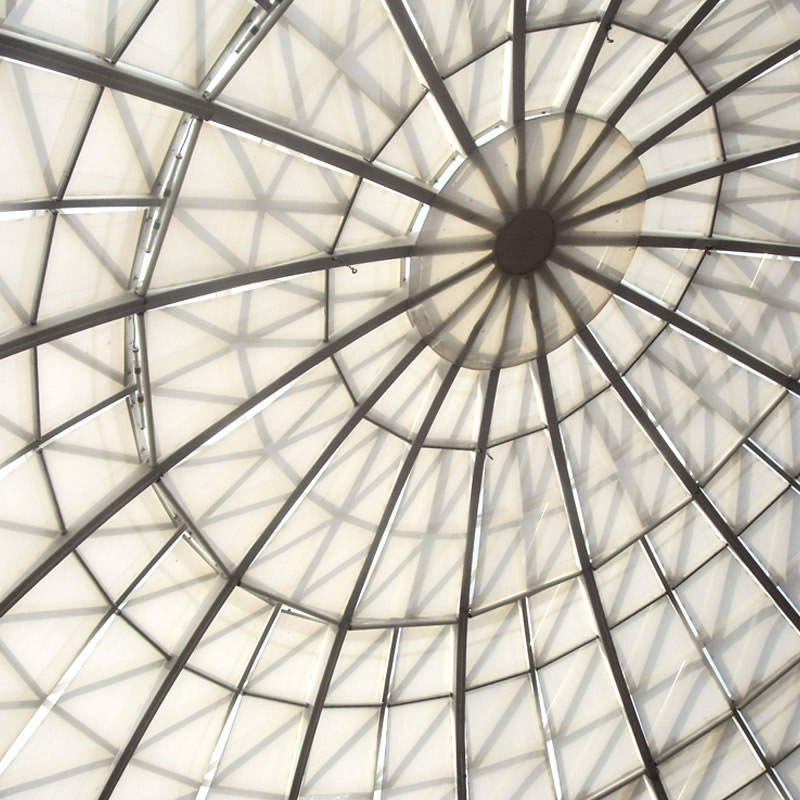
Key Specifications for Integrated Shading Systems You Should Know

Key Specifications for Integrated Shading Systems You Should Know

Understanding  the technical specifications  of integrated shading systems is vital for ensuring they meet  your  application needs.  Key specifications include material composition, dimensions, and  operational performance.

Materials:  Common materials  include  aluminum, fabric,  and polycarbonate, each offering different benefits. For example, aluminum is durable and provides excellent insulation, while fabrics can enhance aesthetic appeal and  offer various light-filtering options.

Dimensions: The  size and shape of the  shading system must align with your window specifications. Buyers should confirm measurements and fit to avoid installation issues.

Operational Performance: Key performance  parameters include  UV protection, light  control, and thermal insulation. Assessing these factors will help you choose a system that meets the specific energy efficiency goals of  your building.

Customization Options: Many suppliers offer customization, allowing you to tailor  the shading system  to your unique requirements. Inquire about the range of options available, such as color,  size, and mechanism types.
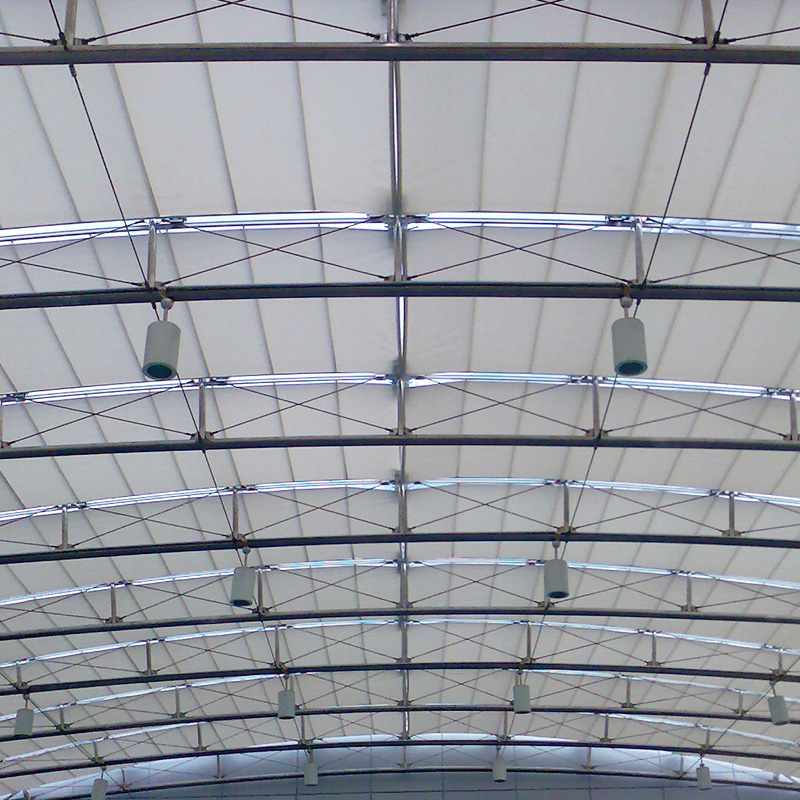
How to Compare Quality in Integrated Shading Systems for Bulk Orders

How to Compare Quality in Integrated Shading Systems for Bulk Orders

When placing bulk orders for integrated  shading systems, comparing quality across suppliers is essential to ensure  you are making a wise investment. Here  are practical steps  to follow:

Request Samples: Always request samples before  finalizing an  order. This allows you to assess material  quality, durability, and aesthetic compatibility with  your project.

Inspect  Quality Certifications: Verify that the supplier has relevant  quality certifications (such as ISO 9001) which  indicate adherence to international quality  management standards.

Understand Manufacturing Processes:  Familiarize yourself with the production processes employed by  potential suppliers. A supplier with robust quality control measures, such as regular inspections and testing, is more likely to deliver consistently high-quality  products.

Check References: Ask for references from previous clients or  case studies that demonstrate the supplier's capability in delivering similar products successfully.  This will help you gauge their  reliability  and service quality.

 
A Step-by-Step Approach

A Step-by-Step Approach

To streamline the purchasing process for integrated shading  systems, consider the following step-by-step approach:

Define Requirements:  Clearly outline  your project specifications, including material preferences, dimensions, and performance  expectations.

Conduct Market Research: Investigate potential suppliers, focusing on their experience, production capabilities,  and  product offerings. Use  industry trade shows  and online platforms for comprehensive insights.

Request Quotations: Prepare a detailed Request for Quotation (RFQ) that includes all necessary specifications, quantities,  and  any customization needs. This will help  suppliers  provide accurate pricing.


Evaluate Proposals:  Once you receive  quotations, compare them not only  on price but also on quality, lead times, and service  conditions.

Finalize and Order:  After selecting a supplier, discuss the terms  of the contract, including payment terms, delivery schedules, and  post-purchase support.

Cost Factors to Evaluate When Purchasing Integrated Shading Systems

Cost is a critical factor in the procurement of integrated shading systems. Here are  the  main elements that will influence pricing:

Material Costs: Different materials impact the overall cost.  For instance, high-performance fabrics may  be  more expensive but offer better insulation and UV protection.

Customization Costs: Customization can increase the price significantly. Be sure  to weigh the benefits of custom designs against budget constraints.

Order Quantity: Bulk purchases often lead to  volume discounts. Be clear about your required quantities  to leverage better pricing.

Shipping and Handling: Don’t overlook  additional costs such as shipping, import duties, and handling  fees, especially if sourcing from overseas suppliers.

Long-Term Value: Consider the long-term savings  associated with energy efficiency and durability of  the shading systems. A higher initial investment  in a  quality product may lead to lower operational costs  over time.

By addressing these cost  factors  and following the outlined  steps, B2B buyers can make informed  decisions when purchasing integrated shading systems, ensuring they meet both budgetary and functional  requirements.

Evaluating Reliable Suppliers of Integrated Shading Systems

When  sourcing integrated shading systems, evaluating  potential suppliers is crucial. Start by assessing  the supplier's experience in the industry; Wintom, established in 1997,  has  over 29 years  of expertise in intelligent window  decoration,  which is indicative of a reliable supplier. Look for manufacturers with a strong track record in  quality control processes and certifications that demonstrate compliance with industry  standards.

Additionally,  consider the supplier's production capabilities, including the types of materials they work with and their manufacturing technologies. A  supplier  that  utilizes advanced production equipment  is more likely to deliver high-quality  products consistently. It's also beneficial to check their export markets and existing  client base, as this can provide insights into their  reputation and capability  to handle  orders of varying sizes.

Frequently Asked Questions

What are integrated shading systems?

Integrated shading systems are built-in window treatments combining blinds, shades, or screens with window frames for seamless light control, insulation, and aesthetic integration in buildings.
Wintom systems offer precise light control, improved thermal performance, privacy, reduced maintenance, and enhanced interior design backed by 29+ years of R&D and production experience.
Yes. Our integrated shading systems support motorization and can be integrated with common smart control protocols for automated scheduling and remote operation.
We offer durable, high-quality materials and multiple finishes for frames and shading elements to match architectural styles, optimized for longevity and low maintenance.
Wintom provides professional installation guidance, trained installers, and ongoing technical and warranty support to ensure reliable performance and customer satisfaction.

Get Your Custom Project Solution Fast

Commercial Shading / Fire Shutter / Smart Building Projects for Hotel, Office, Airport
Your Name
Email
Mobile
Project Type
Short Message
0/1000

Related product categories