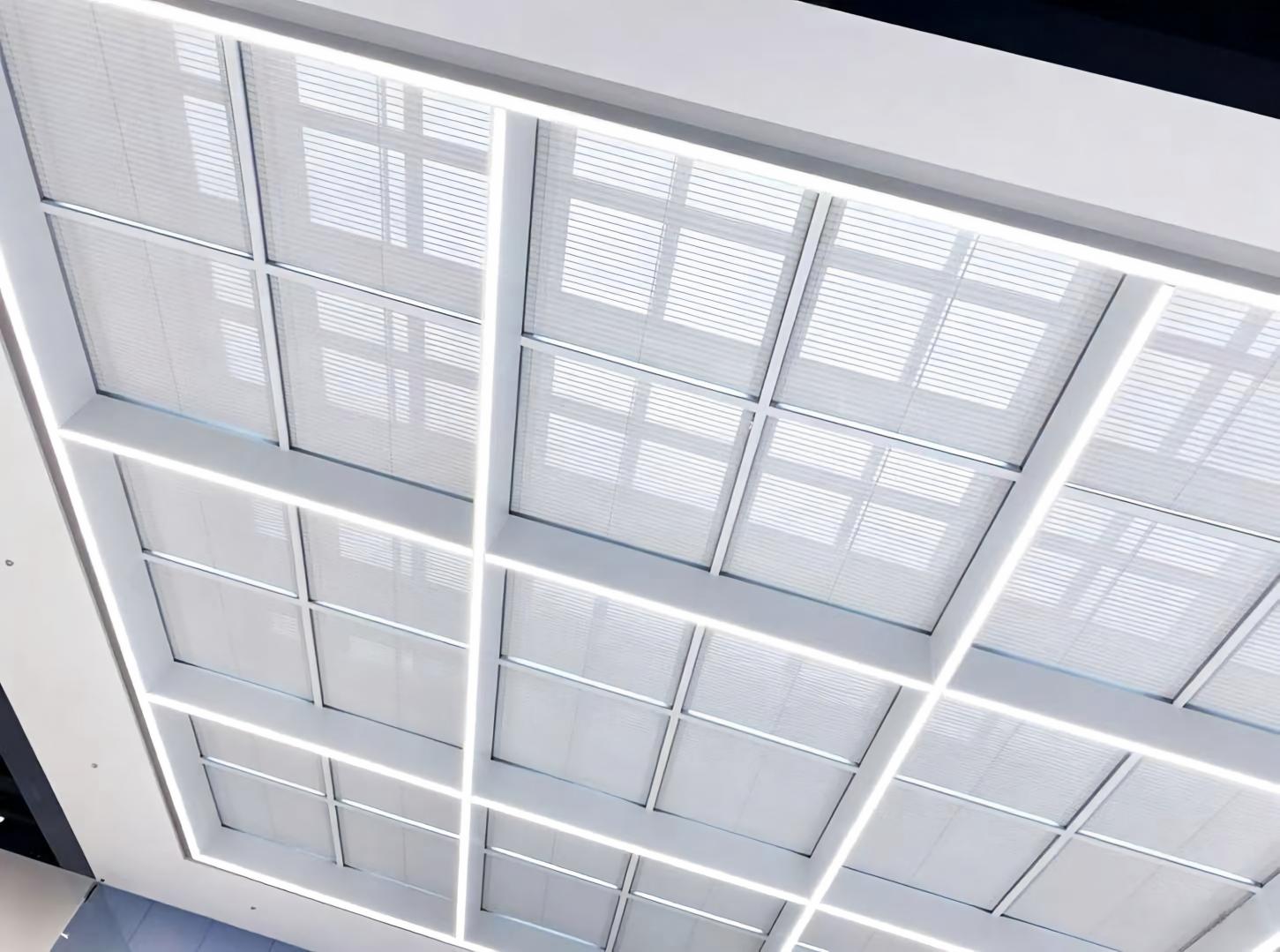
Skylight Blinds: A Guide for Distributors and Importers

skylight blinds

Skylight  blinds are specialized  window coverings designed to optimize  natural  light control in spaces with skylights.  For B2B buyers such as purchasing  managers, distributors,  and  engineers, understanding skylight blinds'  specifications, applications, and potential challenges is critical for making  informed  purchasing decisions. This article will  explore essential information  about skylight blinds,  addressing  buyer concerns about  quality,  material, and functionality, while providing insights into the  manufacturing process  and best practices  for selection.

Key Specifications of Skylight Blinds for Professional Buyers

Key Specifications of Skylight Blinds for Professional Buyers

When evaluating skylight blinds, buyers should focus on  several key specifications that directly influence performance and compatibility with the installation environment.  Key specifications include:

Dimensions: Accurate measurements are essential.  Skylight blinds must fit precisely within the  skylight frame to ensure  proper operation and aesthetics. Material  Composition: The choice of material affects durability, light filtration, and thermal  performance. For instance,  aluminum blinds offer durability and  resistance to moisture, while  fabric options can provide better insulation and aesthetic appeal. Operating Mechanism: Consider  whether manual or electric operation is preferred. Electric systems  can offer convenience but  may involve  higher initial costs and  installation considerations. Light Control Features: Buyers should  consider the  level of  light control desired, from sheer fabrics that diffuse light to blackout options for complete darkness.

Understanding these specifications will help buyers select the right  products for their  clients’ specific applications.
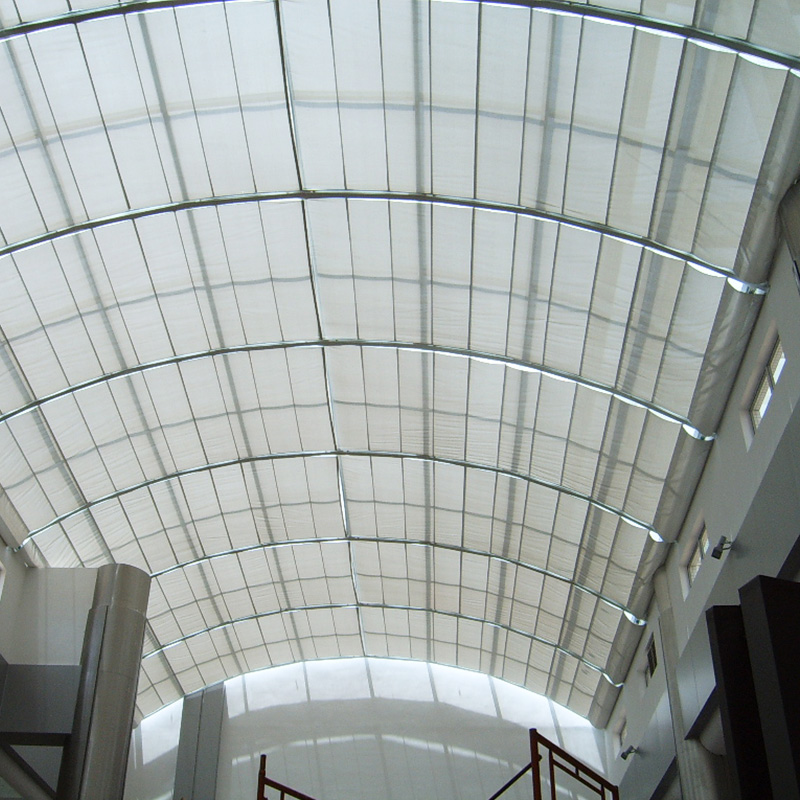
What to Look For

What to Look For

When purchasing  skylight  blinds, there are several  aspects B2B  buyers should consider to ensure they make an  informed decision:

Quality Certification: Verify that the products meet industry standards for  safety  and quality, such as ISO certifications. Warranty and Support: A robust warranty can indicate the  manufacturer's  confidence in their products and provide peace of mind for  both the distributor and end-user. Installation  Requirements: Understanding the installation process and requirements is crucial. Some systems may  require  professional installation, while others can be handled  by the  end-user.  Performance Testing: Inquire if the products have undergone performance testing  to assess durability, light blocking efficiency, and thermal  insulation properties.

By  focusing on these factors, buyers can avoid common pitfalls  and ensure product satisfaction for their clients.

Applications of Skylight Blinds in Commercial Spaces

Applications of Skylight Blinds in Commercial Spaces

Skylight blinds are increasingly utilized in various commercial applications,  bringing both aesthetic and functional benefits. Some notable applications include:

  Office Buildings:  In office spaces, skylight blinds can help  regulate  temperature and  reduce glare, creating a more comfortable working  environment.  They also enhance energy efficiency by minimizing heat gain  during warmer months.  Retail Spaces: Retail  environments often use skylights to enhance product  visibility and create an inviting  atmosphere. Skylight blinds allow retailers to control light levels, ensuring products are  displayed optimally without exposure to damaging UV rays. Educational  Institutions:  Schools and universities use skylight blinds to achieve effective light management in classrooms, libraries, and auditoriums, which can improve focus and reduce eye  strain for students.

Understanding these applications enables buyers to target specific  markets and tailor their offerings to meet the unique  needs of  different sectors.

Common Problems with Skylight Blinds and Effective Solutions

While skylight blinds offer  numerous benefits, they  can also present challenges that buyers should be aware of. Common problems include:

Installation Issues:  Incorrect measurements or installation can lead to operational difficulties. Buyers should confirm that the  installation guidelines are  clear and that the manufacturer provides adequate support.  Durability Concerns: Exposure to UV rays can degrade materials over time, particularly in high-sunlight areas. Buyers  should  look for materials specifically designed for UV resistance. Mechanical Failures: Electric skylight blinds may experience motor failures or wiring issues. Ensuring that the manufacturer offers reliable technical support and replacement parts  is essential.

To mitigate these issues, it is advisable to perform  regular maintenance  checks and to work closely with manufacturers to  understand the best practices for installation and care.

By familiarizing themselves with these common problems and their solutions, buyers can  improve customer satisfaction and minimize returns or complaints.

In summary, skylight blinds are a practical solution for light management in various commercial spaces,  but understanding their specifications, applications, and  potential challenges  is crucial for B2B buyers. With careful consideration and an informed approach, purchasing managers, distributors, and engineers can  make  decisions that meet  their clients' needs  effectively.

A Guide for Distributors and Importers

As a distributor  or importer of skylight blinds,  understanding your customer’s needs and the specifications of the products you offer is vital. Skylight blinds can vary significantly in  terms of materials,  designs, and operational mechanisms.  It’s important to communicate the different options available, such as manual  versus motorized systems, and the materials used—common choices  include aluminum, fabric, and vinyl. For those interested in motorized options, you might want to consider Motorized Curtain Tracks for enhanced functionality.

When sourcing these products, consider the following:

Minimum Order Quantity (MOQ): Different manufacturers may  have varying MOQs, which could affect your inventory  management. Customization Capabilities: Many buyers look for tailored solutions. Assess the  manufacturer's  ability to  customize sizes, colors, and  functionalities based  on client needs. Lead  Times: Understanding production timelines  is crucial for  managing customer expectations. Export Markets: Make sure the products  comply with regulations in the target markets  to avoid  complications.

By being well-versed in these aspects, distributors can offer better service and build stronger relationships with their customers.

Frequently Asked Questions

What are skylight blinds and their benefits?

Skylight blinds are window coverings designed for roof windows to control light, heat, and privacy. Benefits include reduced glare, improved insulation, UV protection, and customizable light levels for comfort and energy savings.
We offer fabrics, blackout, light-filtering, honeycomb (cellular), and pleated styles. Materials are chosen for durability, thermal performance, and smooth operation to suit residential and commercial skylights.
Yes. Skylight blinds are available in manual, spring-assisted, and motorized options with remote or wall switch control for convenient, quiet operation and integration with smart home systems.
Absolutely. With 29+ years of R&D and production experience, we provide made-to-measure blinds to fit various skylight shapes and sizes, ensuring precise fit and optimal function.
We provide professional after-sales support and a manufacturer warranty covering defects and performance. Contact us for warranty length and details tailored to your product and installation.

Get Your Custom Project Solution Fast

Commercial Shading / Fire Shutter / Smart Building Projects for Hotel, Office, Airport
Your Name
Email
Mobile
Project Type
Short Message
0/1000

Related product categories