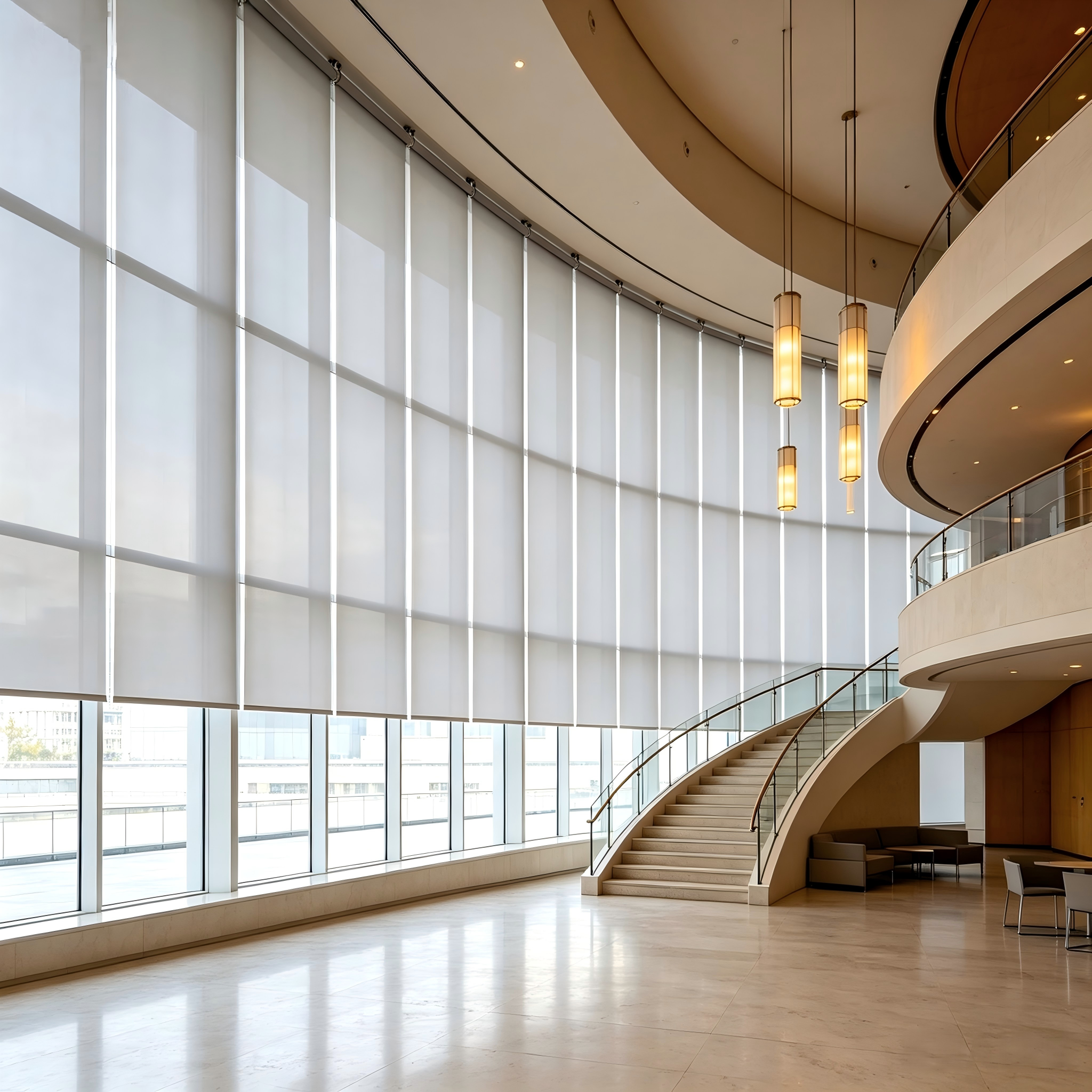
Large scale shading projects are essential in managing natural light and enhancing energy efficiency in commercial and industrial spaces. For purchasing managers, engineers, and project managers, understanding the intricacies involved in selecting and implementing shading solutions is crucial. This article will provide key insights into specifications, material advantages, installation requirements, and a wholesale buying guide for prospective buyers considering large scale shading projects.
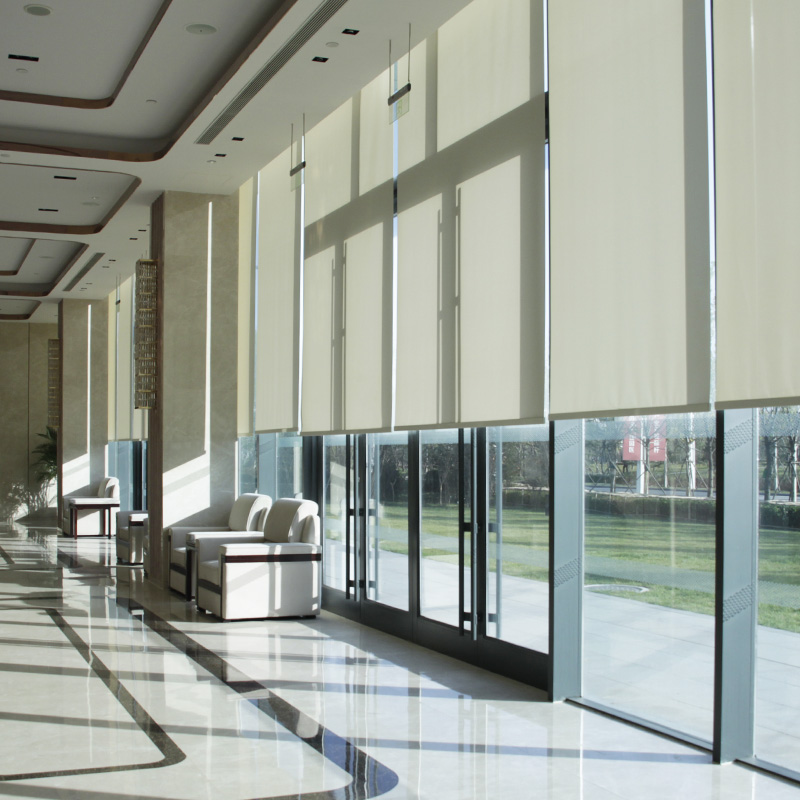
Comparing Material Advantages in Large Scale Shading Applications
Selecting the right materials is crucial for the performance and longevity of large scale shading projects. Different materials offer various advantages depending on the intended application.
Polyester Fabric: Lightweight and available in various colors, polyester is cost-effective and suitable for temporary installations or areas where aesthetics are a priority. However, it may require more frequent replacements due to wear under harsh conditions.
PVC Coated Fabric: This material provides enhanced durability and UV resistance, making it ideal for permanent installations in outdoor settings. Its waterproof properties also make it suitable for regions with high moisture.
Mesh Fabrics: These allow for airflow while blocking harmful UV rays, which is beneficial in areas where ventilation is important. They are often used in commercial buildings where energy efficiency is a priority, such as those utilizing the JD50J Silent Electric Roller Blind.
When choosing materials, buyers should consider the environmental conditions and expected lifespan of the shading solution to ensure optimal performance.