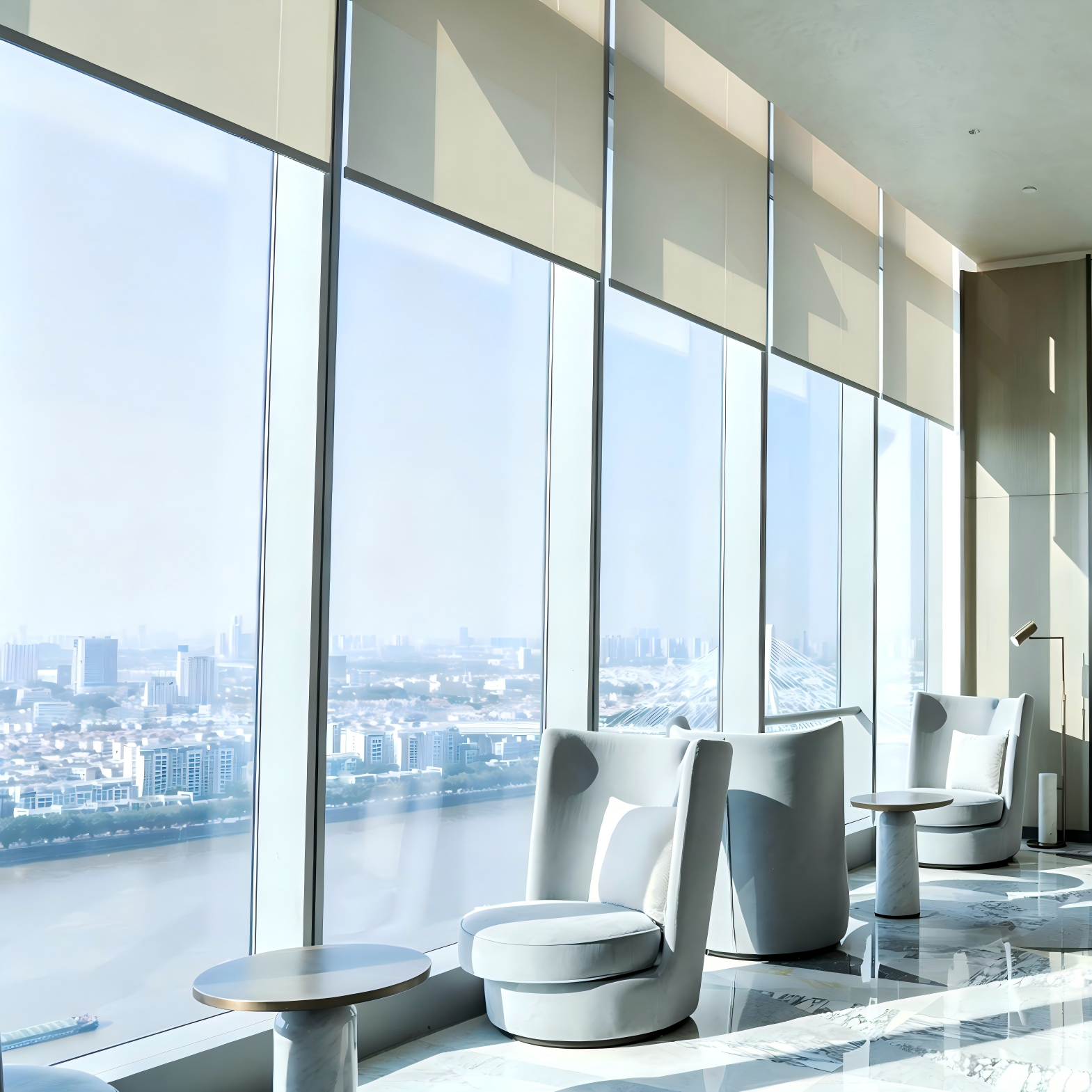
Key Specifications for Large Scale Shading Projects

large scale shading projects

Large scale  shading  projects  are essential in  managing natural light  and enhancing energy efficiency in  commercial  and  industrial spaces. For purchasing managers, engineers, and project managers,  understanding the intricacies involved in  selecting and implementing shading solutions is  crucial. This article  will provide key  insights into specifications, material advantages,  installation requirements, and  a wholesale buying  guide for  prospective buyers considering  large  scale shading projects.
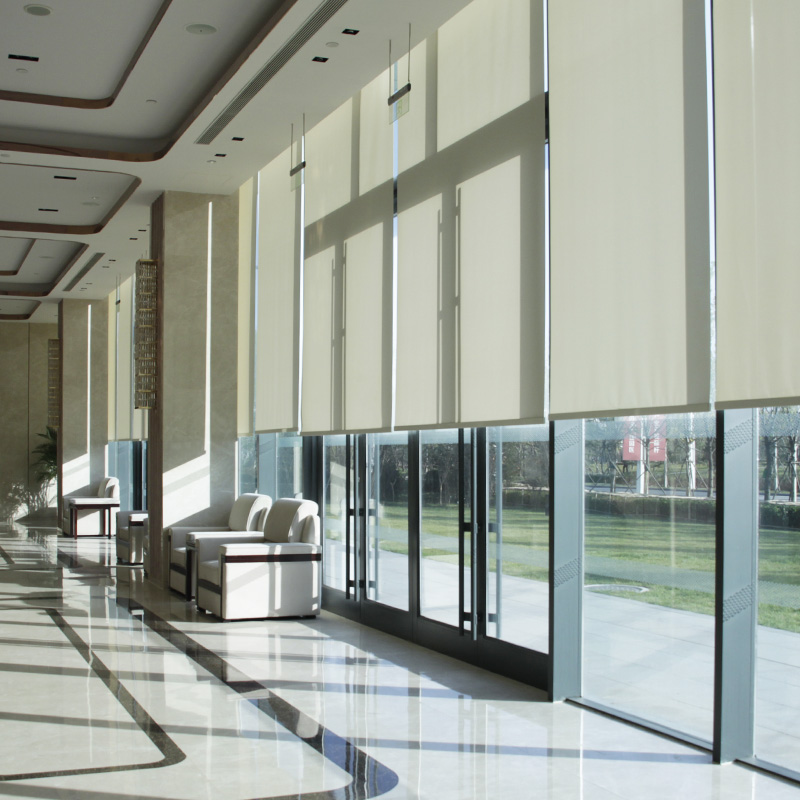
 
Comparing Material Advantages in Large Scale Shading Applications

Comparing Material Advantages in Large Scale Shading Applications

Selecting the right materials is crucial for the performance and  longevity of large  scale shading projects. Different materials offer various advantages depending on the intended application.

Polyester Fabric: Lightweight and available  in  various colors, polyester is  cost-effective and suitable for temporary installations or  areas where aesthetics  are  a priority. However, it  may require more  frequent replacements due to wear under harsh conditions.

PVC Coated Fabric: This material provides enhanced  durability and UV resistance, making it ideal for permanent installations in outdoor settings.  Its waterproof  properties also make it  suitable for regions with high moisture.

Mesh Fabrics: These allow for airflow  while blocking harmful UV rays, which is beneficial in areas where ventilation is important. They are often used in  commercial buildings where energy efficiency is  a priority, such as those utilizing the JD50J Silent Electric Roller Blind.

When choosing materials, buyers  should  consider the environmental conditions and expected lifespan  of the shading solution to ensure optimal performance.
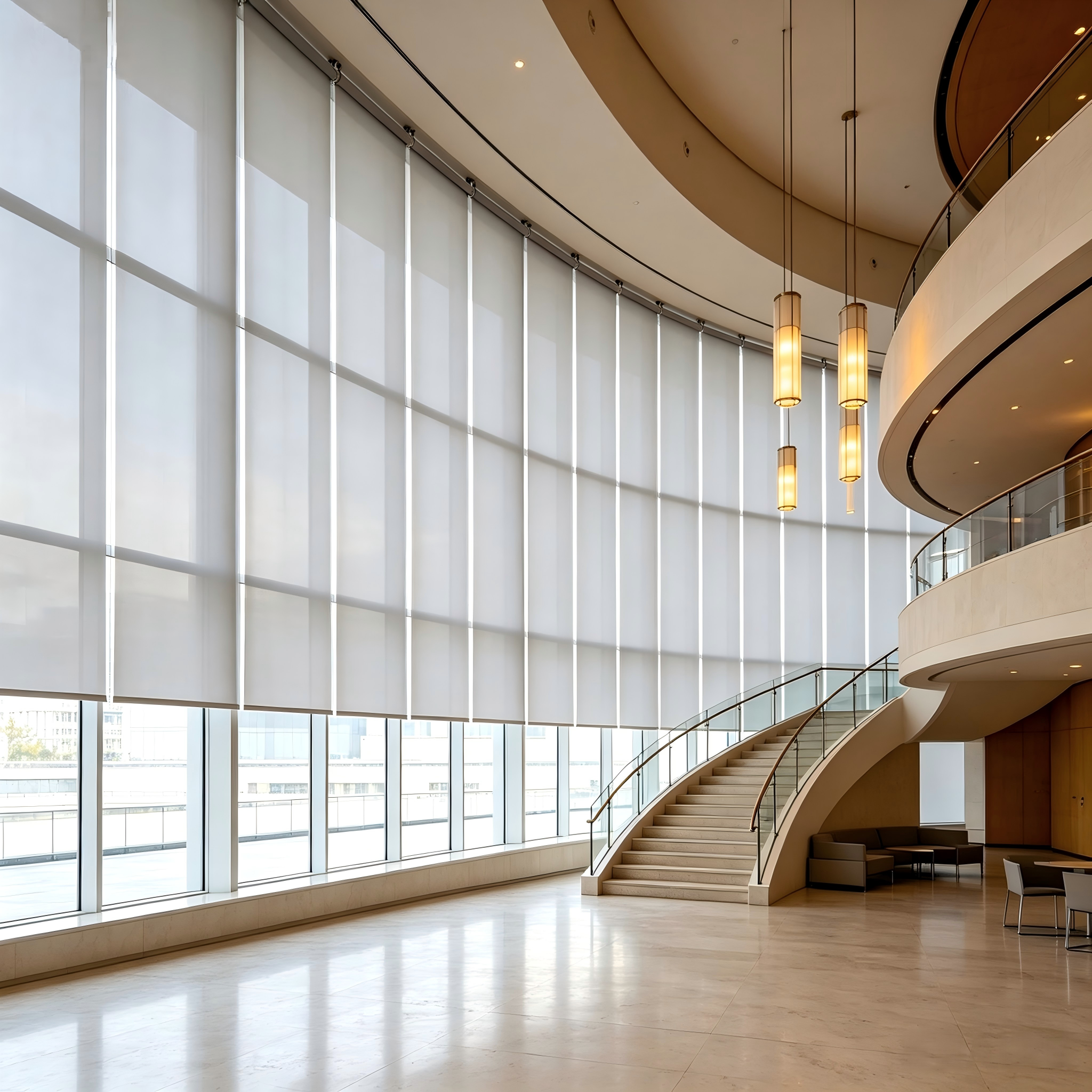
How to Choose the Right Shading Solution for Diverse Applications

How to Choose the Right Shading Solution for Diverse Applications

Choosing the right shading solution  requires a  thorough understanding of the specific application. Here are key considerations:

Application Type: Determine whether the shading is for windows,  patios, or entire facades. Each application may require different types  of shading solutions, such as roller shades, awnings, or  fixed structures.

Performance Requirements: Assess the level of light control and thermal insulation required. For instance, shades for conference rooms may  need to  block out light  completely, while  those in break areas might  only need to reduce glare.

Customization  Needs: Many projects require bespoke  solutions to fit unique architectural designs. Buyers should discuss customization options with suppliers to  ensure the final product meets  all  aesthetic  and functional requirements.

Regulatory Compliance: Ensure that shading solutions meet local building codes and safety regulations, which may dictate  specific material and structural standards.

Taking the time to assess these factors will lead to  a more effective and satisfying shading solution.

 
Understanding Installation Requirements for Large Scale Shading Projects

Understanding Installation Requirements for Large Scale Shading Projects

Installation plays  a crucial role in the success of large scale shading projects. Proper  installation  ensures  that the shading solutions perform as intended and last throughout their expected lifespan. Here  are some key  considerations:

Site Assessment: Conducting a thorough site assessment is necessary  to understand environmental factors such as wind loads, sun angles, and potential obstructions. This information will inform the design and  installation process.

Mounting and Support  Structures: Depending on the shading  type, appropriate support structures must be in place. Buyers should confirm that the mounting  hardware is  compatible with their building's architecture and  can  withstand the local climate  conditions.

Installation Timing: Plan the installation  during favorable weather conditions to avoid  complications. If the project involves  multiple phases, ensure that each phase is aligned with the overall project timeline and that all stakeholders are informed.

Professional Installation: Engaging experienced professionals for installation can mitigate  risks of improper fitting or damage. Buyers should verify the qualifications and track record  of the installation team.

Understanding these installation requirements will help ensure a smooth project execution, minimizing delays and additional costs.

Wholesale Buying Guide for Large Scale Shading Products and Solutions

Purchasing large  scale shading products requires careful consideration of  various factors to secure the  best  value and quality. Here’s a practical guide for  buyers:

Requesting Quotations: When contacting suppliers, provide detailed specifications  including product  type, dimensions, quantities, and any required customization. This will help suppliers deliver accurate quotes.

Evaluating Suppliers: Compare suppliers based on  their manufacturing capabilities, materials used, and past project experience. Look for companies that  provide transparent information regarding quality control processes and certifications.

Minimum Order Quantity (MOQ): Be aware of the MOQ requirements, as this can  vary by supplier. If  your project does not  meet the MOQ, inquire  about potential options for smaller orders or consortium buying with other projects.

Lead Time Considerations: Discuss lead times with suppliers to align with your project  schedule. Understand factors that may affect delivery,  such as material  availability and production capacity.

Quality Assurance: Before finalizing  an order, consider requesting samples or prototypes to evaluate material quality and fit. This step can prevent costly  mistakes during mass production.

By following these guidelines, buyers can navigate  the complexities of sourcing large scale  shading solutions while ensuring their project needs are met effectively.

Key Specifications for Large Scale Shading Projects You Should Know

When embarking  on large scale shading projects, understanding key specifications is vital for ensuring that the solutions meet  both functional and aesthetic  needs. Critical specifications  include dimensions, material properties, and operational functionality.


Dimensions: The size and scale of the shading installation must align with architectural designs  and site requirements.  Buyers should provide precise measurements to ensure  a proper fit and  functionality.


Material Properties: The choice of materials affects durability, UV  resistance, and maintenance requirements. Common materials for large scale shading solutions include fabrics like  polyester and PVC, which offer  varying degrees of light filtration and thermal insulation. For instance, the FC25 Electric Honeycomb Blind is a great example of a material that offers both insulation and light control.


Operational Functionality: Consider whether the shading solution will be manual or automated. Automated  systems often require integration with building management systems (BMS), affecting initial costs and long-term  maintenance.

Buyers should  evaluate  these specifications against project requirements to prevent issues during installation and operation.


Frequently Asked Questions

What types of large scale shading projects do you handle?

We design and deliver commercial, industrial and public building shading systems, including façades, atriums, stadiums and large glazing installations, tailored to site requirements and functionality.
We use durable fabrics, aluminum, steel and motorized intelligent control systems developed from 29+ years of R&D to ensure weather resistance, longevity and automated operation.
Yes. Our in-house R&D and engineering team offers custom design, structural analysis, prototypes and installation plans to meet architectural and performance specifications.
Timelines vary by scope; small large-scale projects take weeks, major projects months. We handle site survey, manufacturing, testing and on-site installation with project management throughout.
Yes. We provide maintenance contracts, repair services, spare parts and remote or on-site technical support to ensure long-term performance and reliability.

Get Your Custom Project Solution Fast

Commercial Shading / Fire Shutter / Smart Building Projects for Hotel, Office, Airport
Your Name
Email
Mobile
Project Type
Short Message
0/1000

Related product categories