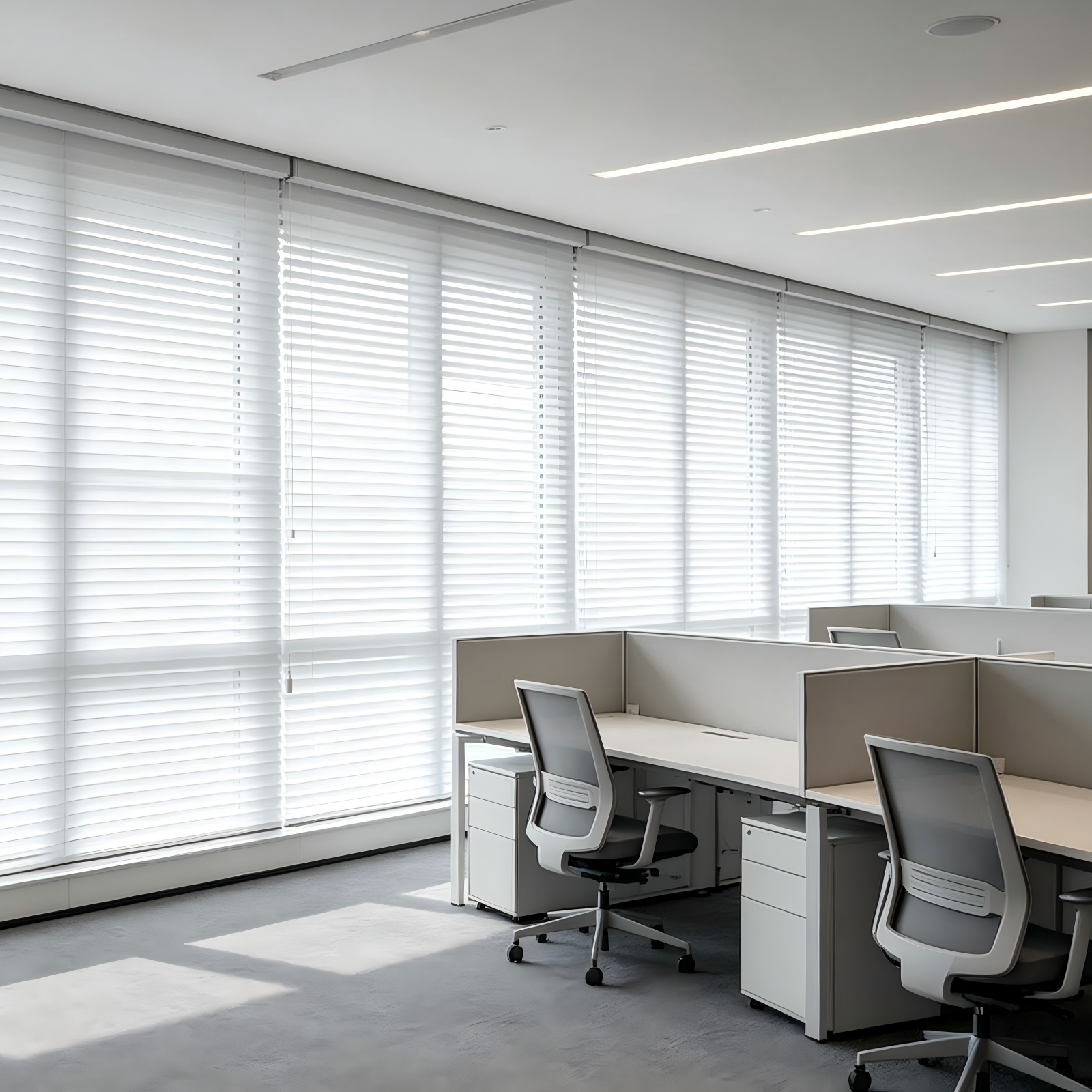
Selecting the right blinds for office buildings is a crucial decision that impacts not only aesthetics but also functionality, energy efficiency, and employee comfort. As a purchasing manager, distributor, or product manager, understanding how to select blinds tailored for your specific office environment can help mitigate potential issues related to glare, heat, and privacy. This article will guide you through the essential factors to consider, ensuring you make an informed decision that meets your business needs.

Key Specifications to Consider When Selecting Office Blinds
When evaluating office blinds, key specifications play a significant role in determining their suitability for your environment.
Material: Blinds are available in various materials, including fabric, vinyl, wood, and aluminum. Each material has its advantages; for example, fabric blinds allow for more varied designs, while aluminum blinds are more durable and resistant to moisture.
Dimensions: Ensure the blinds fit properly within the window frame. Measure the width and height of the window accurately, and consider whether you want the blinds to mount inside or outside the frame. Custom sizing may be necessary for non-standard windows.
Light Control: Different blinds offer varying degrees of light control. For example, blackout blinds are excellent for areas requiring complete darkness, whereas light-filtering options are ideal for spaces needing daylight without glare.
Energy Efficiency: Consider blinds with insulating properties, which can help reduce energy costs by maintaining temperature. This is particularly beneficial in office buildings with large windows or exposure to direct sunlight.
Operating Mechanism: Blinds can be manual or motorized. Motorized blinds offer convenience, especially in larger spaces or for hard-to-reach windows, while manual options may be more cost-effective for smaller offices.