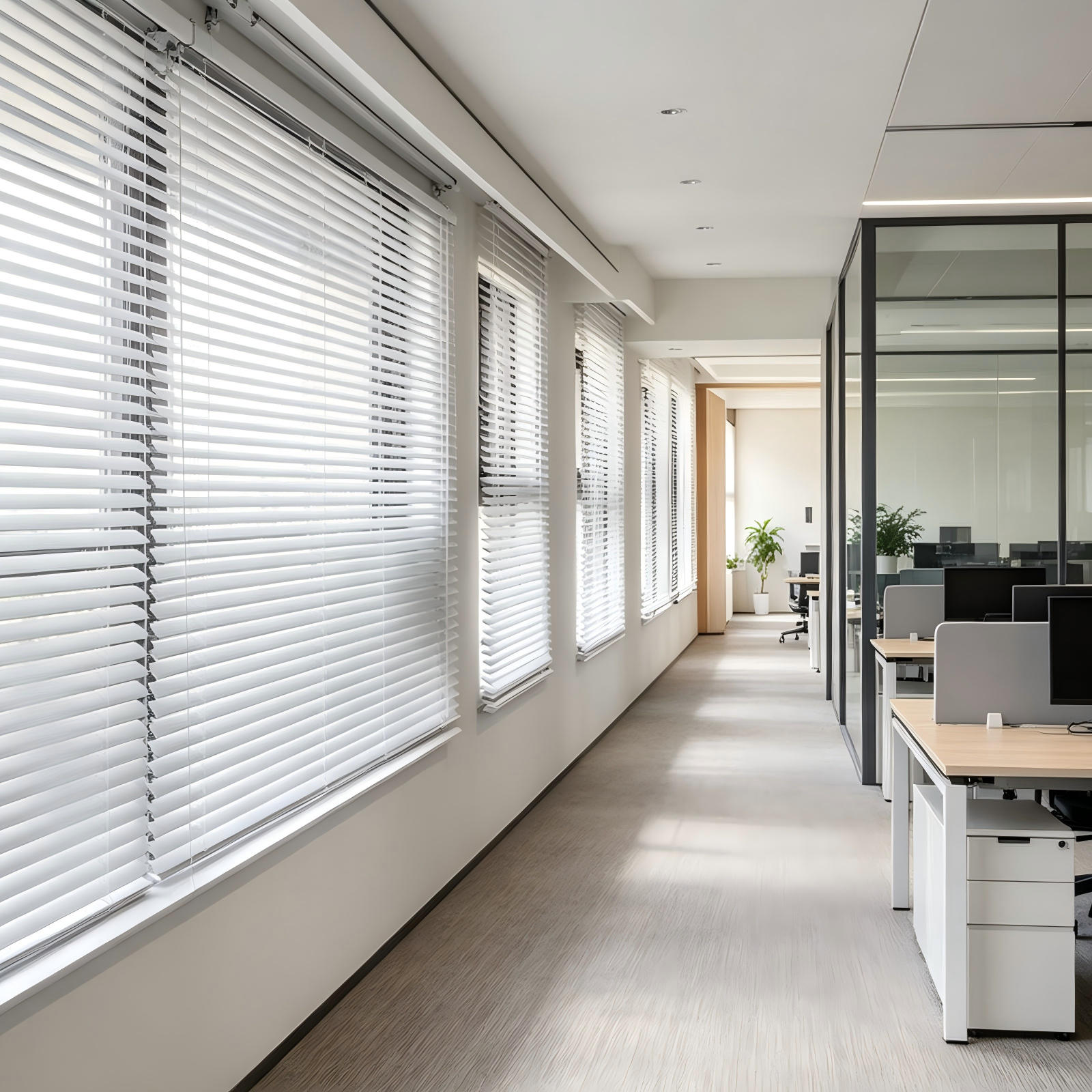
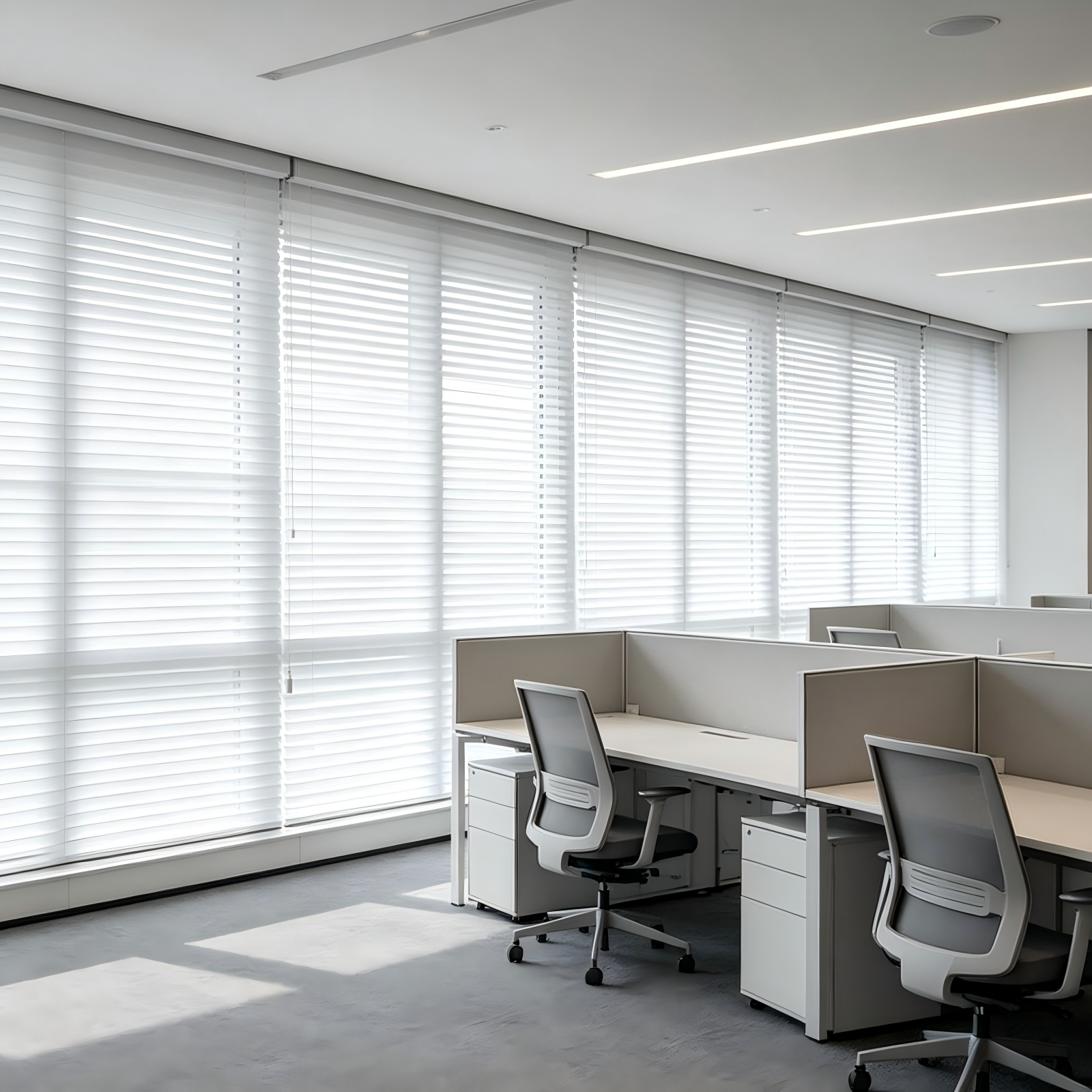
Reducing glare in office windows is essential for creating a comfortable and productive work environment. Excessive glare can lead to eye strain, decreased focus, and increased fatigue among employees. As a B2B buyer, your main concerns likely revolve around the effectiveness of glare-reducing solutions, their cost, and the reliability of suppliers. This article will guide you through various options, specifications, and practical solutions for reducing glare in office windows, helping you make informed purchasing decisions.

Key Specifications for High-Quality Glare-Reducing Products
When selecting glare-reducing products, several key specifications should be considered:
Material Composition: The choice of material significantly affects the product's ability to reduce glare. For instance, high-quality polyester or vinyl materials can effectively diffuse light and minimize reflection.
Thickness: The thickness of the material plays a role in durability and light transmission. A thicker film may offer better glare reduction while also providing additional insulation benefits.
UV Protection: Look for products that offer UV protection, as this can help prevent fading of office furniture and equipment while also protecting employees from harmful rays.
Opacity and Light Transmittance: Understand the balance between glare reduction and natural light retention. Products with varying degrees of opacity allow you to select the right level of light transmittance for your workspace.
Compatibility with Existing Systems: Ensure that the glare-reducing solutions can be easily integrated with your current window systems or fixtures.
Evaluating these specifications will help you select the best products for your office environment, ensuring that they meet both performance and aesthetic standards.