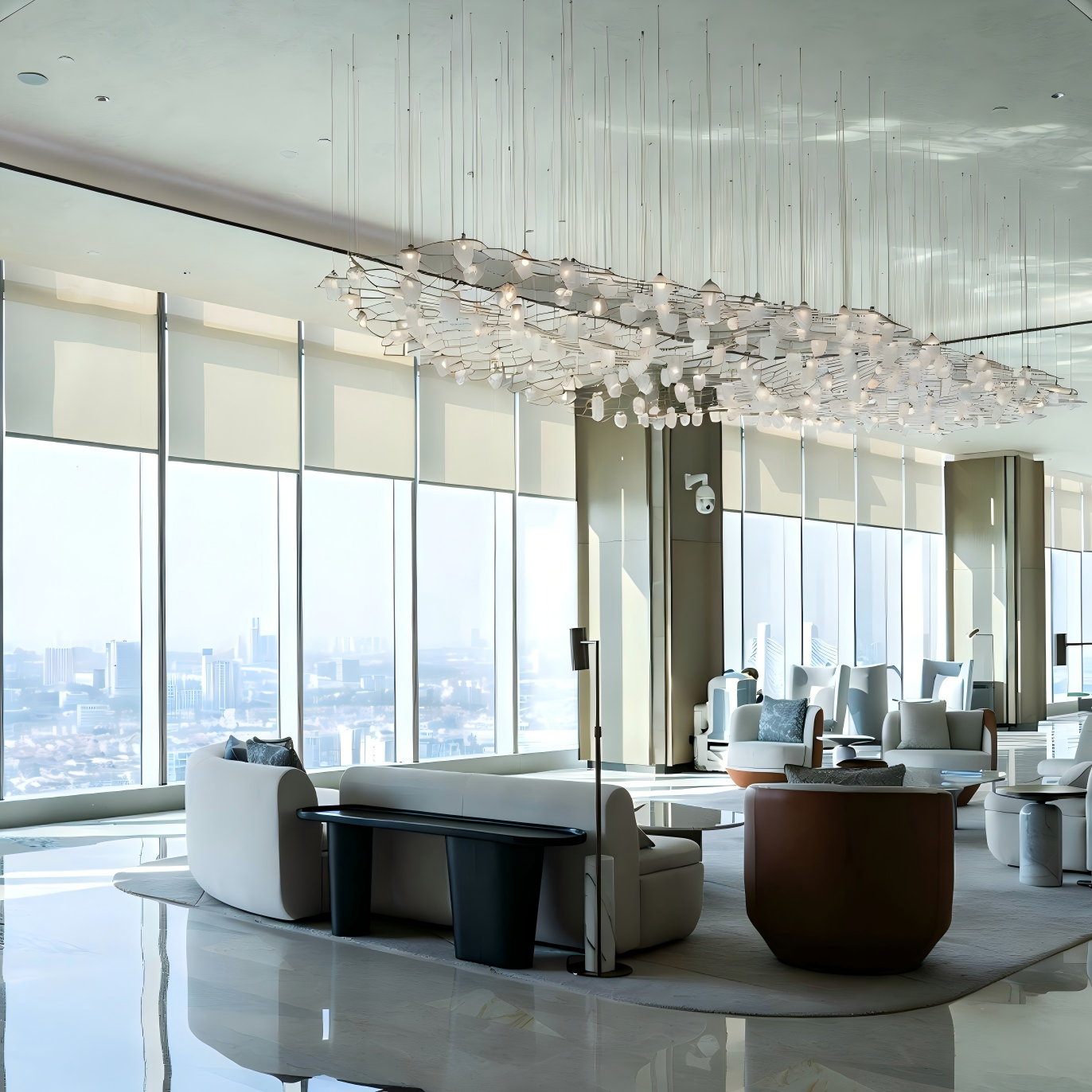
When selecting window treatments for commercial spaces, the choice often narrows down to hotel curtains vs roller blinds. Each option presents unique benefits and challenges that can significantly impact the functionality, aesthetics, and overall experience of guests. As a purchasing manager or product manager, understanding these differences is crucial to making an informed decision that aligns with your establishment's needs. This article will help you evaluate both options, assess quality factors, identify reliable suppliers, address common issues, and explore the advantages of materials used in these two popular window treatment solutions.

How to Evaluate the Quality of Hotel Curtains vs Roller Blinds
Quality evaluation for hotel curtains and roller blinds involves several critical factors. For hotel curtains, assess the fabric type, weight, and durability. Fabrics like polyester and cotton blends are common, but look for those that are treated for stain resistance and longevity. The weight of the fabric can influence its drape and insulation properties. Heavier fabrics generally provide better thermal insulation, which is essential for energy efficiency and guest comfort.
For roller blinds, consider the material's thickness and transparency. High-quality roller blinds often use materials that resist fading and tearing, maintaining their appearance over time. Check for features such as UV protection, which can prevent sun damage to interiors. Additionally, examine the mechanisms used for raising and lowering the blinds. Smooth operation and durability are vital for long-term satisfaction. The JD50J Silent Electric Roller Blind is an excellent example of a product that combines these features effectively.
Moreover, conducting a quality control process that includes inspecting samples before large orders can prevent potential issues. Always request certifications or testing results to verify the quality claims made by suppliers.