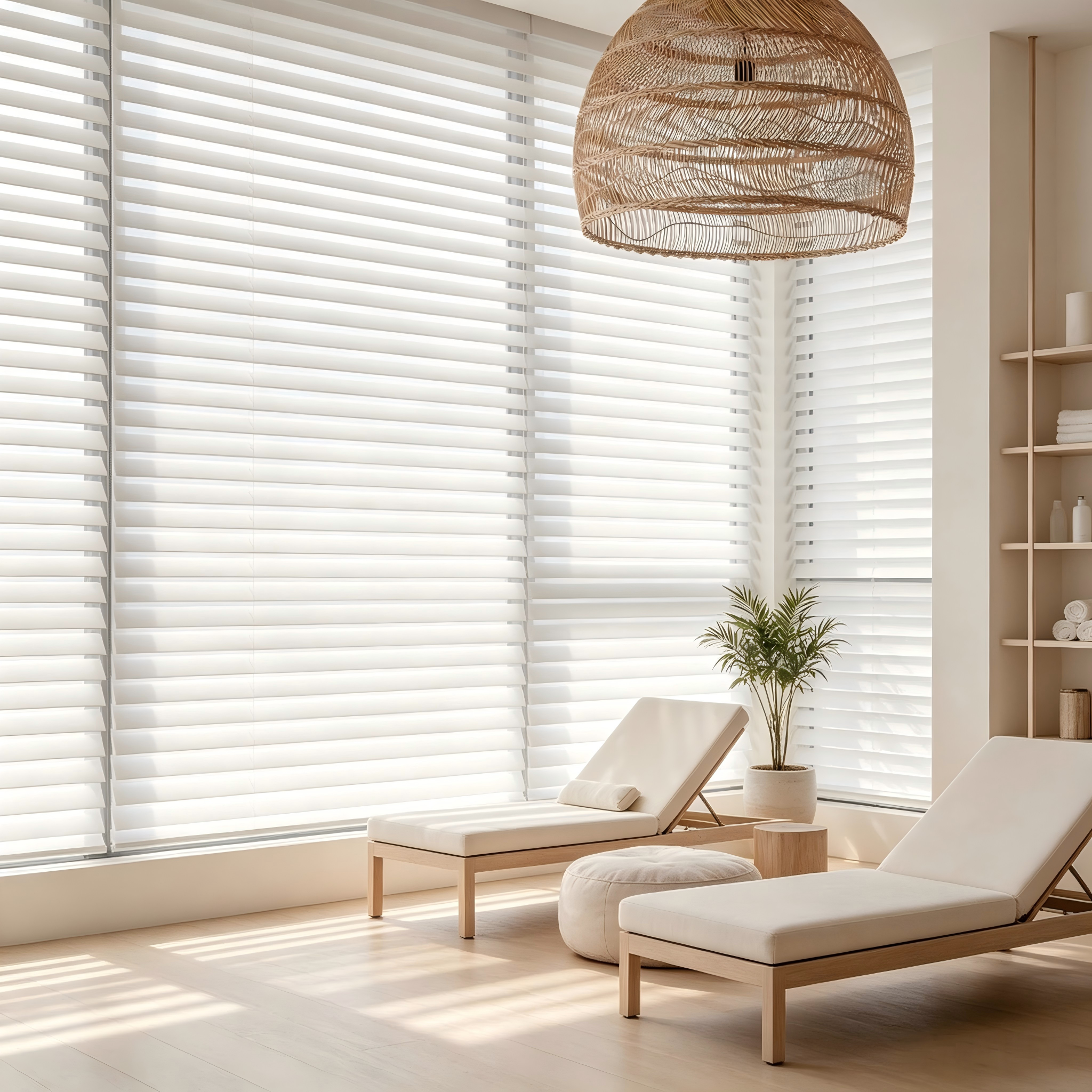
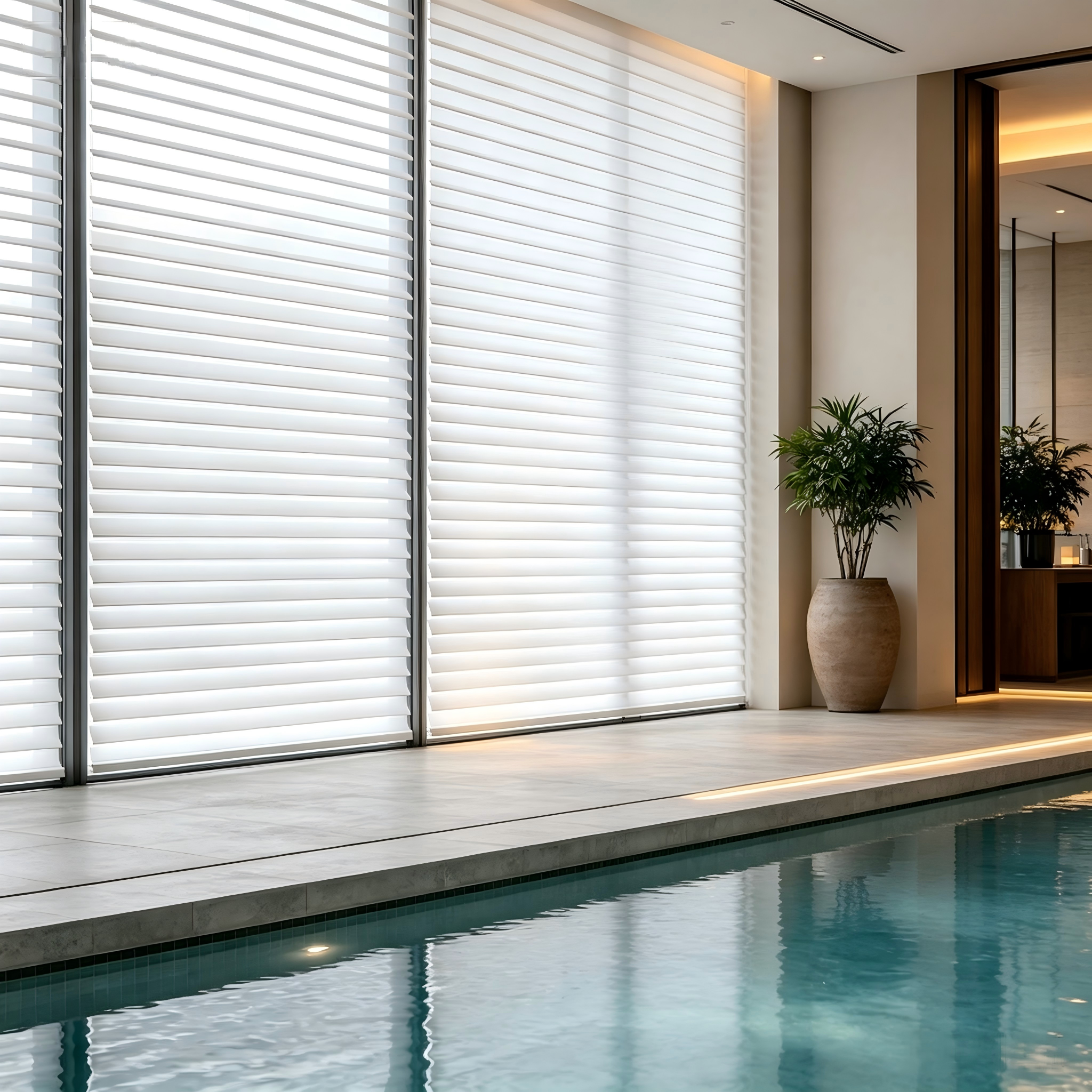
Hospitality window treatments are essential elements in creating comfortable and aesthetically pleasing environments within hotels, restaurants, and other service-oriented businesses. As a purchasing manager or product manager in the hospitality sector, your main concerns likely revolve around durability, customization, cost-effectiveness, and maintenance. This article will provide insights into hospitality window treatments, covering cost factors for bulk orders, best practices, material advantages, common issues and solutions, and a comparison of different types of treatments.
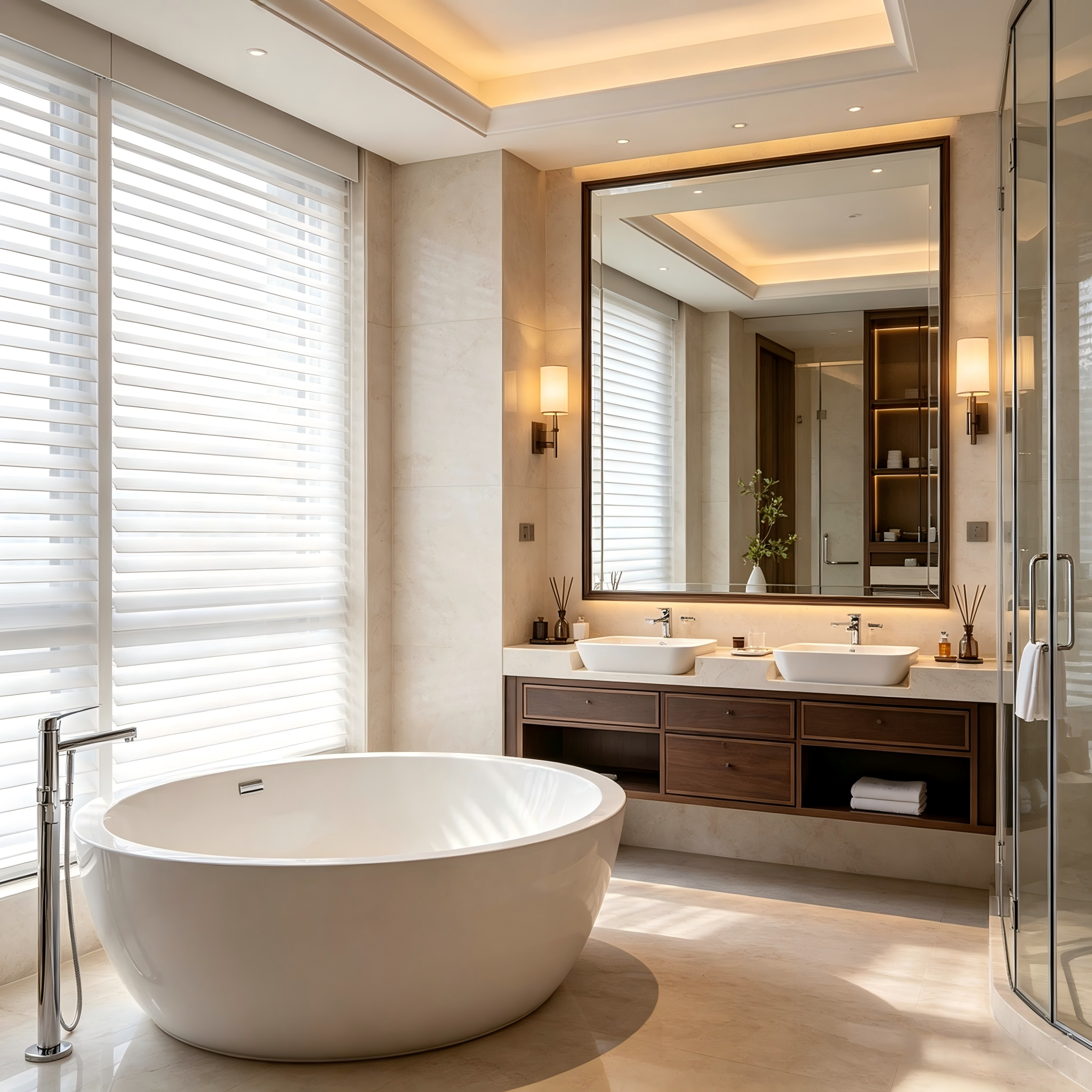
Best Practices
To ensure a successful procurement process for hospitality window treatments, adhere to these best practices:
Define Specifications Clearly: Before contacting suppliers, outline specific requirements such as dimensions, material types, colors, and styles. This minimizes misunderstandings and ensures accurate quotes.
Request Samples: Always request samples to evaluate fabric quality, color accuracy, and durability before committing to a large order. Samples allow you to assess the product's performance under real-world conditions.
Conduct Supplier Audits: Evaluate potential suppliers based on their production capabilities, quality control processes, and past performance in similar projects. This helps mitigate risks associated with quality and delivery.
Communicate Regularly: Maintain open lines of communication with your supplier throughout the ordering process. This allows for quick resolution of any issues and ensures that both parties are aligned on expectations.
Plan for Maintenance: Select treatments that align with the operational capacity of your staff. Consider how easy the window treatments are to clean and maintain. LM50 Top Track Electric Roman Blind is designed for easy maintenance and durability.