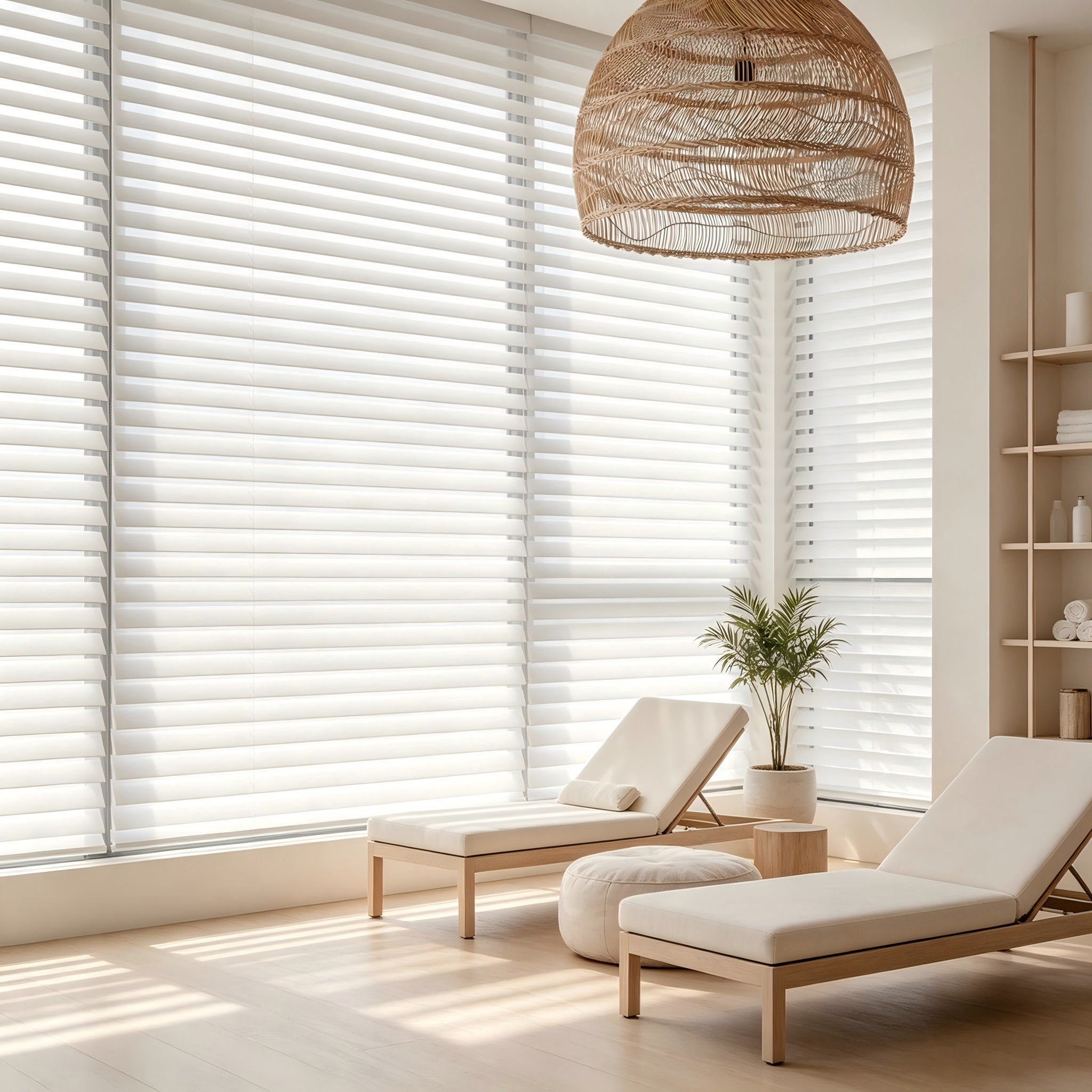
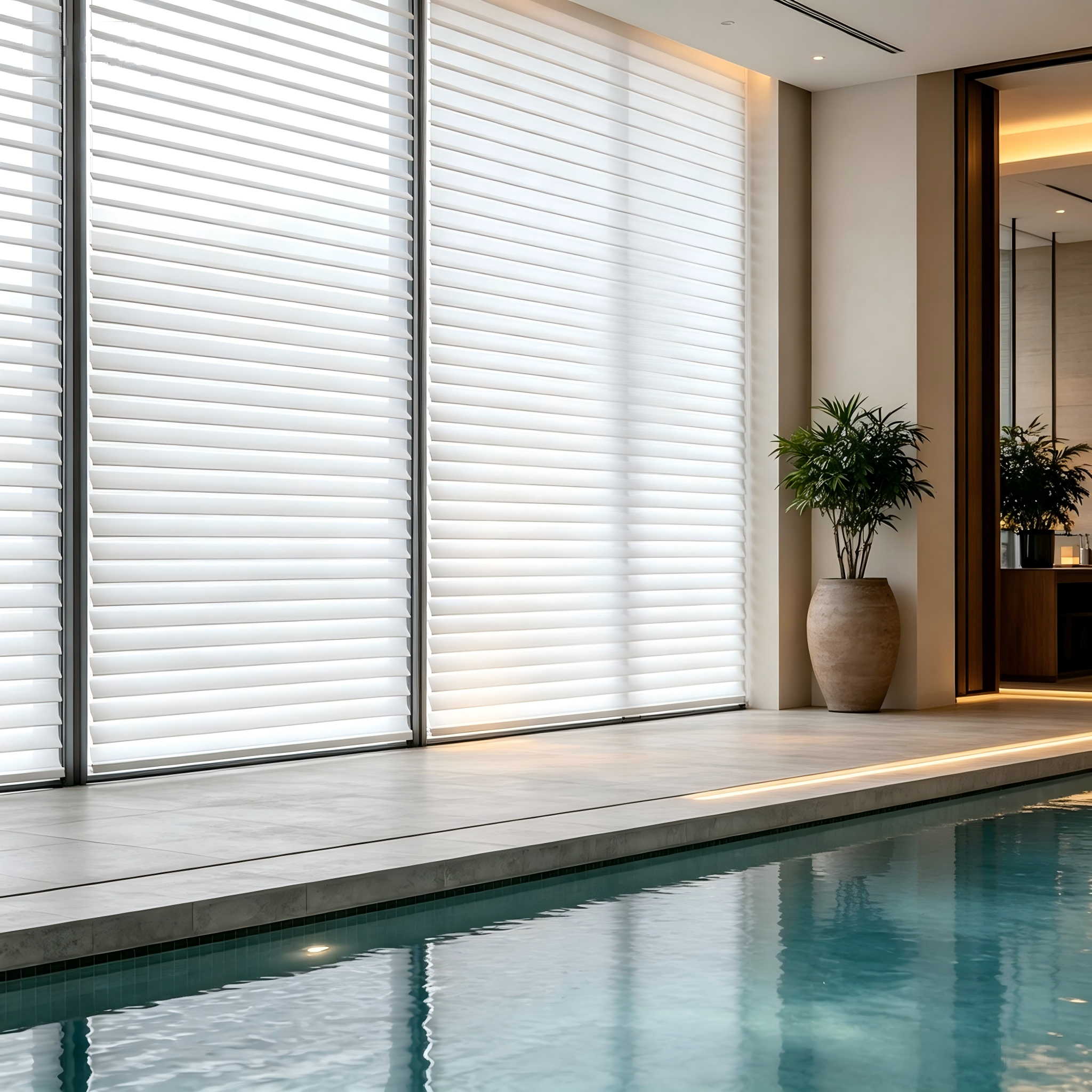
In the realm of hospitality, shading systems play a crucial role in enhancing comfort, aesthetics, and energy efficiency. These systems, designed for commercial environments such as hotels, restaurants, and conference centers, serve to regulate natural light and temperature while contributing to the overall design ethos of a space. As a purchasing manager or project engineer, understanding how to choose the right hospitality shading systems is essential for ensuring value and performance. This article will guide you through key considerations, specifications, material advantages, best practices, and applications relevant to hospitality shading systems.
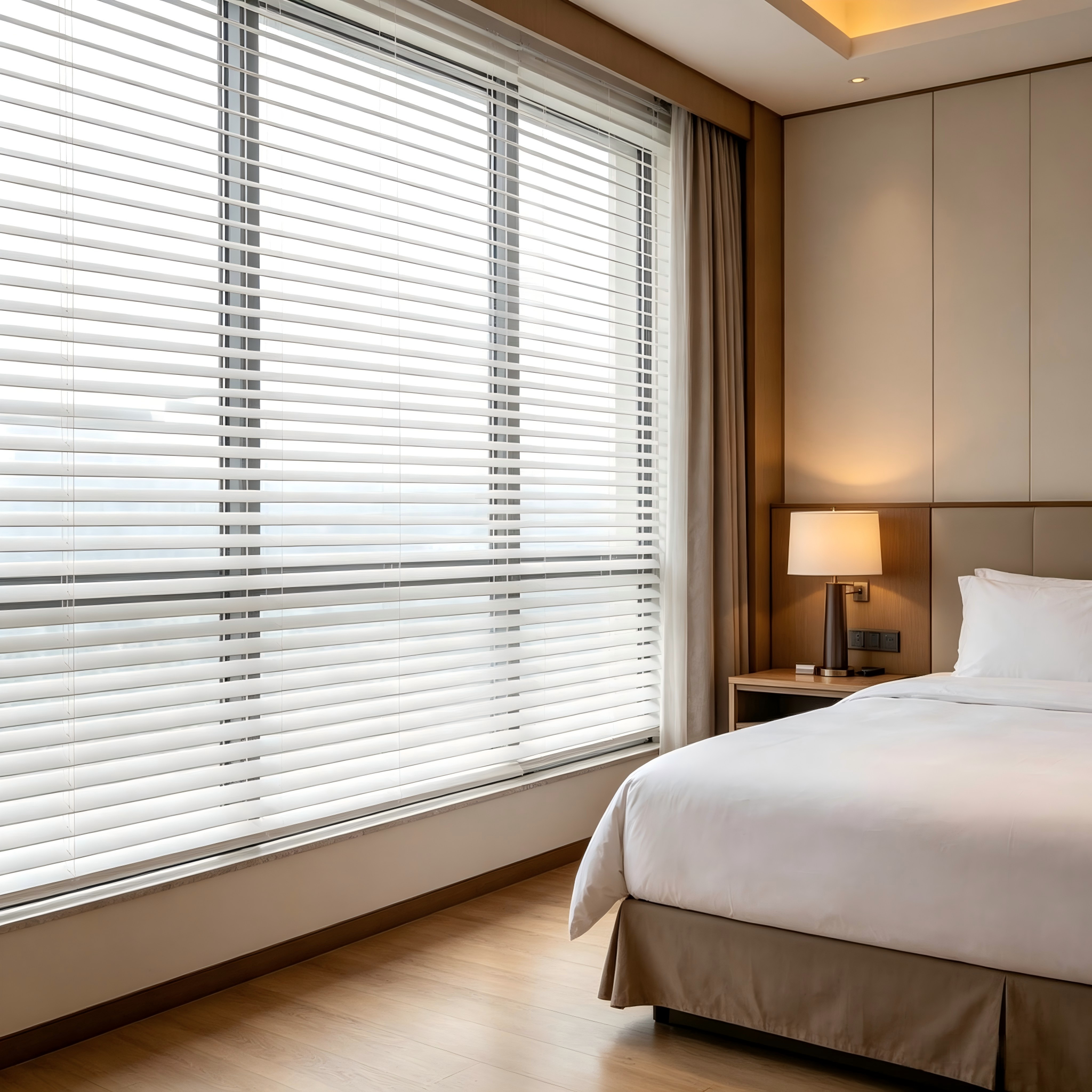
Key Specifications for Hospitality Shading Systems You Should Know
Understanding key specifications is critical to ensuring the chosen shading system meets the needs of the space. Here are important parameters to consider:
Material Composition: Fabrics can range from sheer to blackout, impacting light control and privacy. Common materials include polyester blends, which offer durability and easy maintenance.
Dimensions: The size of the shading system should match the window dimensions. Custom sizing is often necessary to ensure proper fit and function.
Operating Mechanism: Systems may be corded, chain-driven, or operate via smart technology. The choice will affect ease of use and installation.
UV Protection: Consider how well the material blocks UV rays, which can protect furnishings and reduce heat gain.
Acoustic Properties: For settings like conference rooms or hotels, consider how the shading system can contribute to sound insulation, enhancing guest experience.