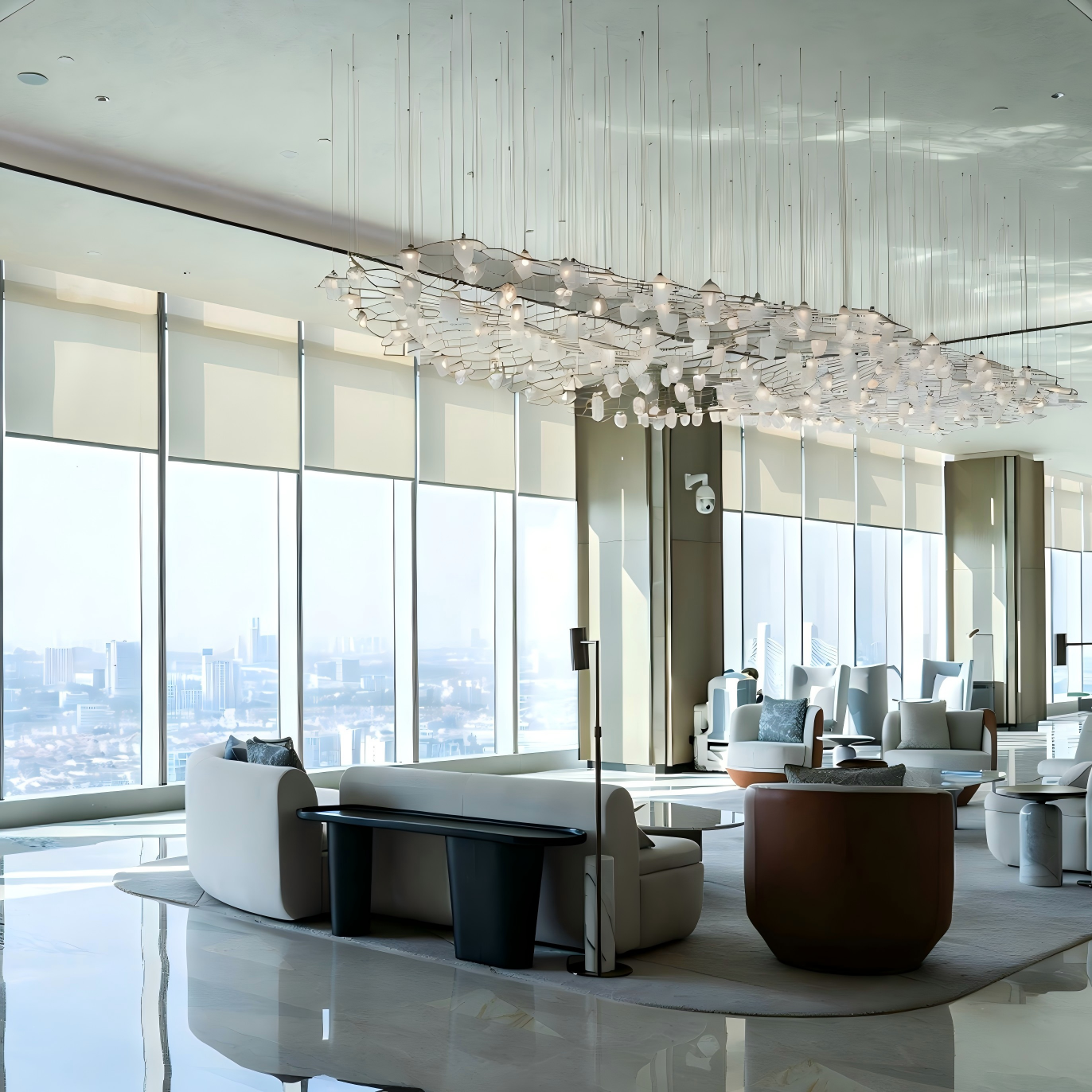
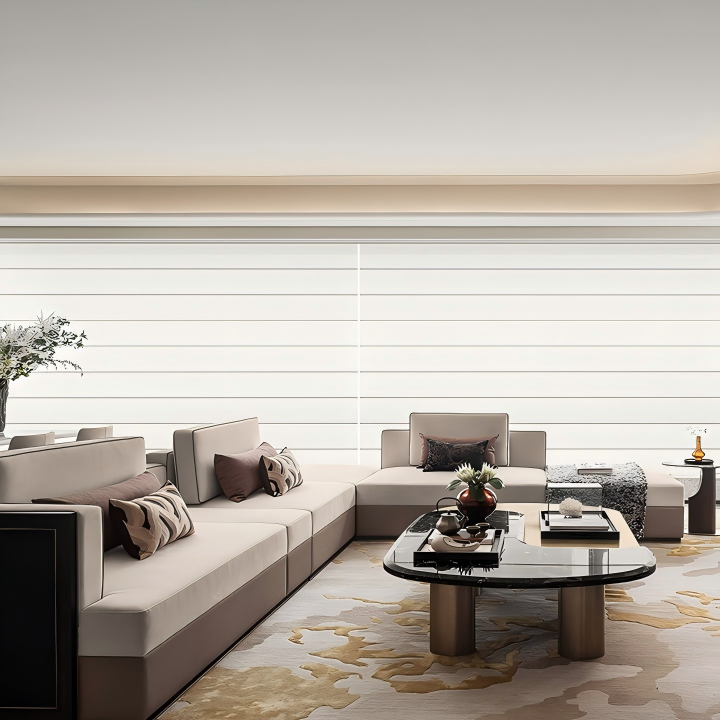
Turnkey shading solutions are integrated systems designed to provide efficient light control and privacy in commercial, industrial, and residential spaces. As organizations seek to enhance energy efficiency and aesthetic appeal, these solutions have become vital in modern architecture. B2B buyers, including purchasing managers and project engineers, often have concerns about product specifications, compatibility with building designs, and overall cost-effectiveness. This article aims to guide you through the essential considerations when selecting turnkey shading solutions, ensuring that your purchasing decisions are informed and effective.
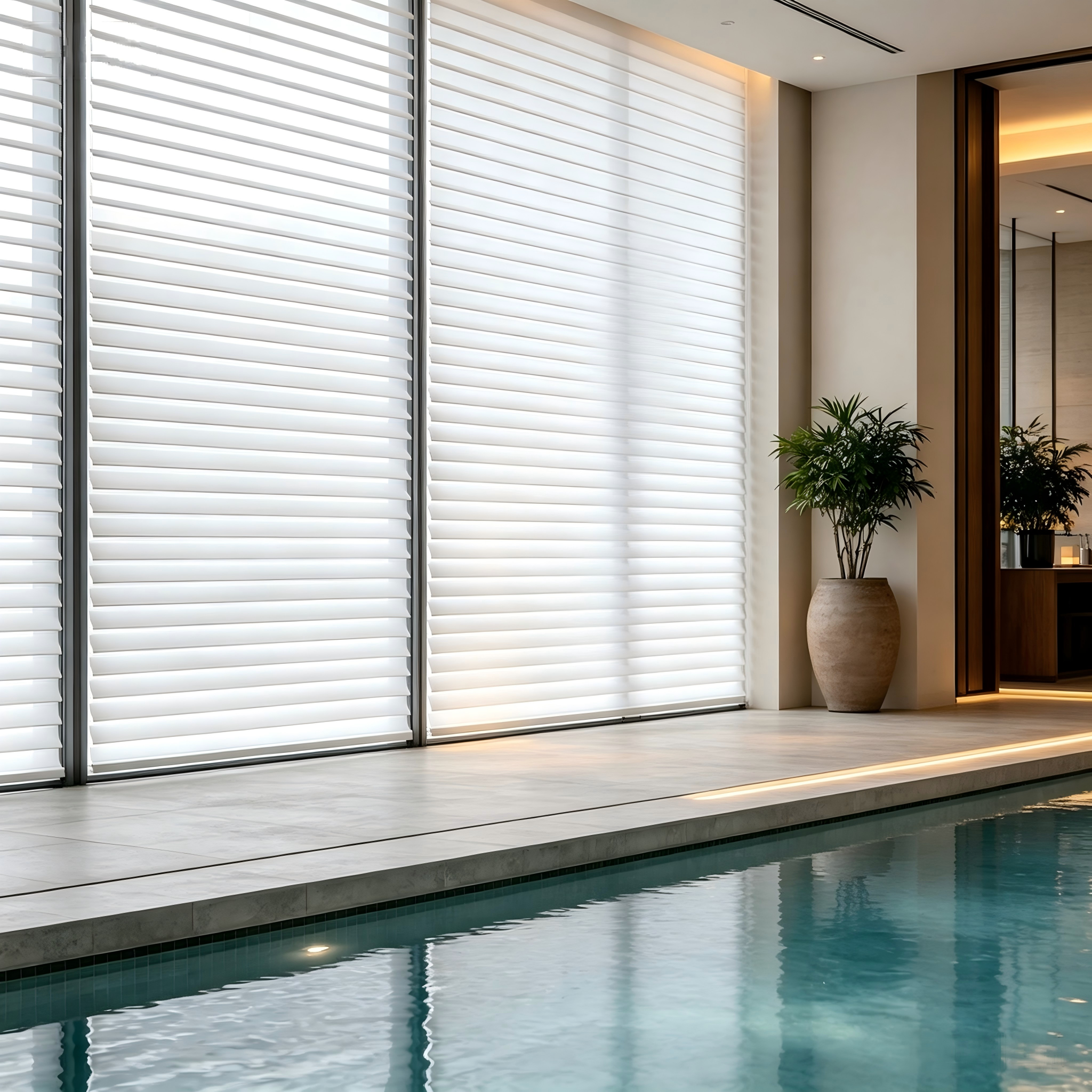
Key Specifications for High-Quality Turnkey Shading Products
When assessing turnkey shading products, several specifications are essential for ensuring quality and functionality:
Material Composition: The choice of materials affects durability, maintenance, and performance. Fabrics should be fade-resistant, easy to clean, and capable of withstanding environmental conditions.
Dimensions: Accurate sizing is crucial for seamless installation and operation. Buyers should provide precise measurements of the windows or areas to be covered.
Mechanism Type: Turnkey shading solutions may employ manual or automated mechanisms. Automated systems can offer advanced features like smart home integration, which enhances user convenience but may require additional considerations for power supply and control systems.
Certification and Compliance: Ensure that products meet industry standards and certifications, such as those for fire safety or environmental impact. This is critical for compliance and to instill confidence in the product's reliability.
Understanding these specifications helps buyers make informed decisions that align with their project requirements and budget constraints.