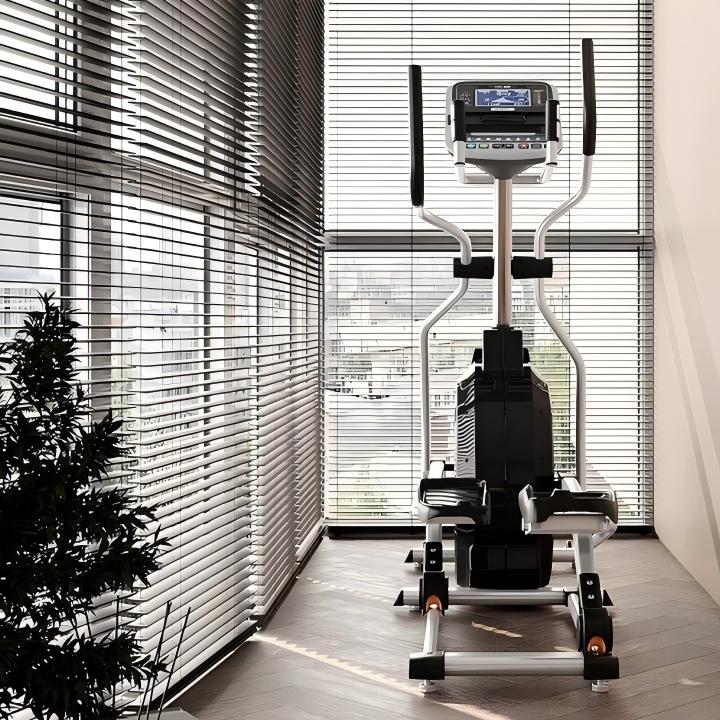
Choosing Quality Thermal Blinds for Your Projects

thermal blinds

Thermal blinds  are versatile window  coverings designed to  regulate  indoor temperatures by providing  insulation against heat  loss or gain. For B2B  buyers,  such as purchasing managers  and  distributors, understanding the nuances of thermal blinds is  crucial  for  making  informed purchasing decisions.  This article will help you  navigate  the key  aspects of selecting,  evaluating, and sourcing thermal blinds  tailored to your project needs.
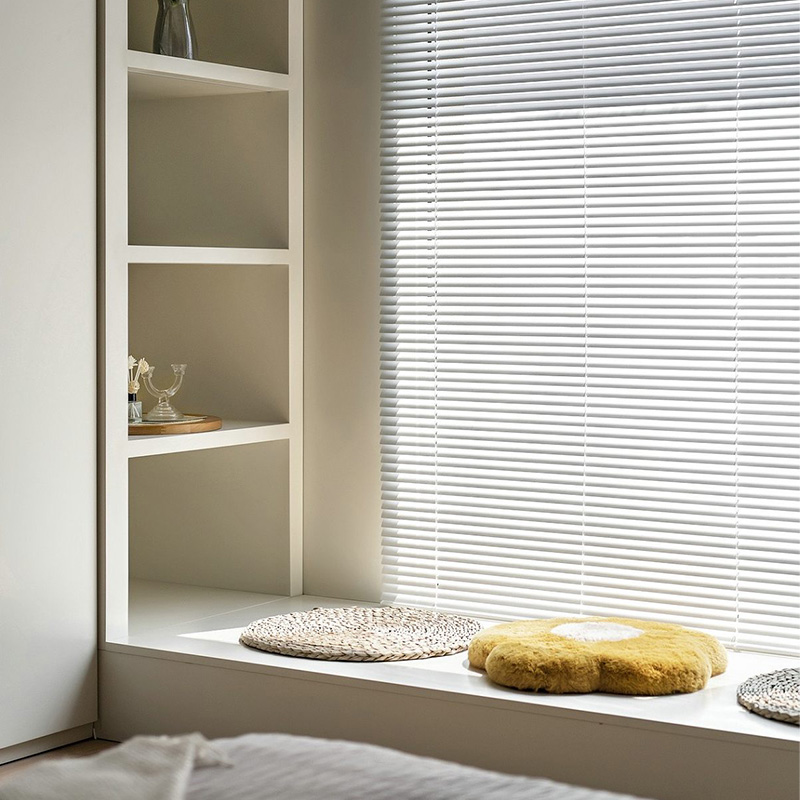
How to Evaluate the Quality of Thermal Blinds for Bulk Orders

How to Evaluate the Quality of Thermal Blinds for Bulk Orders

When assessing  the quality of thermal blinds, especially for bulk orders,  several  criteria should  be examined. Start by checking the material  composition  and its thermal properties. High-quality thermal blinds typically feature  an insulating layer that  minimizes  heat  transfer, enhancing their overall effectiveness.

Next, consider the manufacturing processes used.  A reputable manufacturer, such  as Wintom, will utilize advanced production technologies to  ensure consistent quality. Request  information on their quality control measures, such as testing  for  durability, UV resistance,  and thermal performance.

Additionally, it’s wise to request samples before finalizing bulk orders. Inspect samples for stitching  quality,  color consistency, and ease of operation. This hands-on evaluation can  prevent costly mistakes and ensure that the blinds meet your standards and expectations.
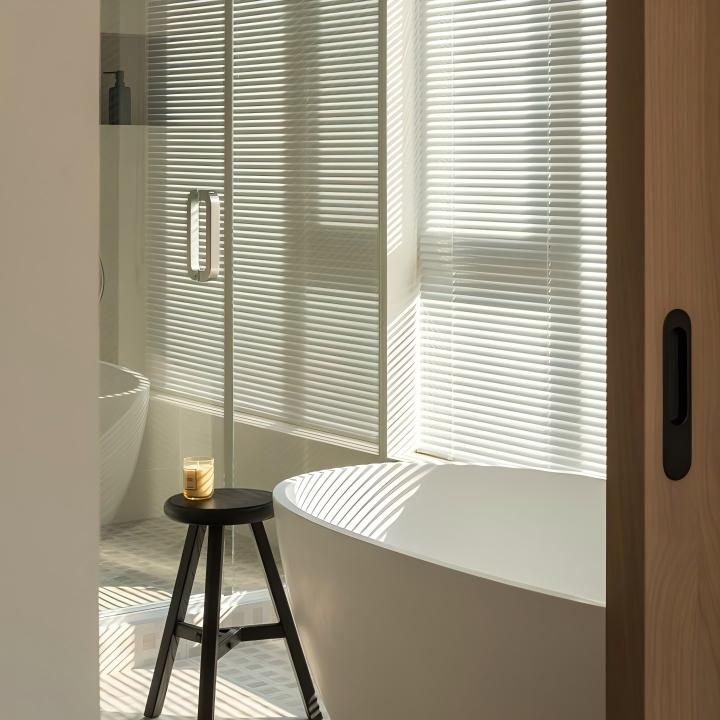
Key Specifications to Consider When Sourcing Thermal Blinds

Key Specifications to Consider When Sourcing Thermal Blinds

Several key specifications should be  prioritized  when sourcing thermal blinds. These include:

Material Type: The choice of material affects both insulation properties and  aesthetics.  Common  materials include blackout fabrics,  reflective materials,  and cellular shades, each offering unique benefits.

R-Value:  This measures  the thermal  resistance of the blinds. A higher  R-value indicates better insulation  performance, which is critical for energy  efficiency and comfort.

Dimensions: Accurate measurements are essential for proper fit. Ensure that your supplier can accommodate custom dimensions if needed.

Operating Mechanism: Consider whether  you need manual or motorized options. Motorized blinds can  offer convenience, especially in larger spaces. Motorized Curtain Tracks can enhance the functionality of your thermal blinds.


Warranty and Certifications: Verify any warranties offered on the product and look  for certifications that  indicate compliance  with industry standards  for thermal performance and safety.

Understanding these specifications will empower you to make informed sourcing decisions that align with your project goals.

Understanding the Cost Factors of Thermal Blinds for Distributors

Understanding the Cost Factors of Thermal Blinds for Distributors

Pricing for thermal  blinds can vary significantly based on several factors. Material choice plays a  pivotal  role; premium materials will generally increase  costs. Additionally, the complexity of  the design  and the need  for customization can also influence  pricing.

Order volume is another critical factor. Manufacturers often provide discounts for  bulk  purchases, so it's beneficial to  assess  your needs accurately.

Shipping and  handling costs should not be overlooked,  especially for international orders.  Be clear about delivery timelines and any potential additional charges for expedited shipping or special packaging requirements.

Finally, it’s  advisable to consider the long-term  savings associated  with energy-efficient thermal blinds. Although the initial  investment may be higher, the potential for reduced energy bills can make them a financially sound  choice.

Applications of Thermal Blinds in Commercial and Residential Settings

Thermal blinds are applicable in a variety  of settings, including both  commercial and residential environments. In commercial spaces,  they can significantly reduce energy costs by minimizing heat loss during cold months and blocking excessive heat during summer. This is particularly  beneficial in offices, retail spaces, and hotels, where maintaining a comfortable environment is crucial for employee  productivity and customer satisfaction.

In residential applications, thermal  blinds not only enhance energy efficiency  but also provide an added layer of privacy and  noise reduction. Homeowners can choose  from a variety of styles and colors that complement their interior décor while enjoying the functional benefits of thermal insulation.

Furthermore, thermal blinds can be  integrated with smart home  systems, offering automated control of temperature regulation, which adds to their  appeal in modern residential settings. As  a result,  they serve dual purposes—enhancing  aesthetics while  delivering practical comfort and energy savings.

Understanding these applications will help buyers recognize the value of thermal blinds and their potential return  on investment in various settings.

By focusing on these essential aspects of thermal blinds, B2B  buyers can make well-informed purchasing decisions that meet  their project needs and contribute to long-term satisfaction and  energy efficiency.

Choosing the Right Thermal Blinds for Your Project Needs

When selecting thermal blinds, it’s  essential to  consider the specific requirements of your project. Key factors include the intended  application—whether for residential or  commercial spaces—as  well  as the desired thermal efficiency. Thermal blinds come in various materials, including fabric, vinyl, and aluminum, each offering different  levels of insulation and aesthetic appeal. In particular, cellular shades are known for their excellent insulation properties.

For commercial applications,  durability  may be a primary concern, particularly in high-traffic areas. Fabrics that are treated  for UV resistance can be beneficial, providing both  insulation and protection from  sun damage. In residential settings, the  style and color of thermal blinds might  be  more critical, allowing homeowners to enhance their interior design  while enjoying energy efficiency. Curtains & Drapery can also complement the aesthetic appeal of thermal blinds.

Additionally, evaluate the installation requirements and whether  the blinds  will  need to be customized to fit specific window sizes or shapes. Understanding these project-specific needs will guide your decision-making process and ensure  optimal performance and satisfaction with the final product.

Frequently Asked Questions

What are thermal blinds and how do they work?

Thermal blinds are window coverings designed to reduce heat transfer. They use insulating materials and layered construction to reflect heat in summer and retain warmth in winter, improving comfort and energy efficiency.
Our thermal blinds use high-quality insulating fabrics, reflective coatings, and durable frames chosen for thermal performance and longevity, developed from over 29 years of R&D and production experience.
Yes. By reducing heat gain and loss through windows, thermal blinds improve HVAC efficiency, which can lower heating and cooling costs when properly installed and used.
We offer automation options compatible with common smart controls, enabling scheduled, remote, or sensor-based operation to optimize energy savings and convenience.
We provide product warranty and technical support backed by our company's nearly 30 years of experience in intelligent window solutions. Specific terms depend on model and region; please contact sales for details.

Get Your Custom Project Solution Fast

Commercial Shading / Fire Shutter / Smart Building Projects for Hotel, Office, Airport
Your Name
Email
Mobile
Project Type
Short Message
0/1000

Related product categories