Key Specifications for Remote Control Shades

remote control shades

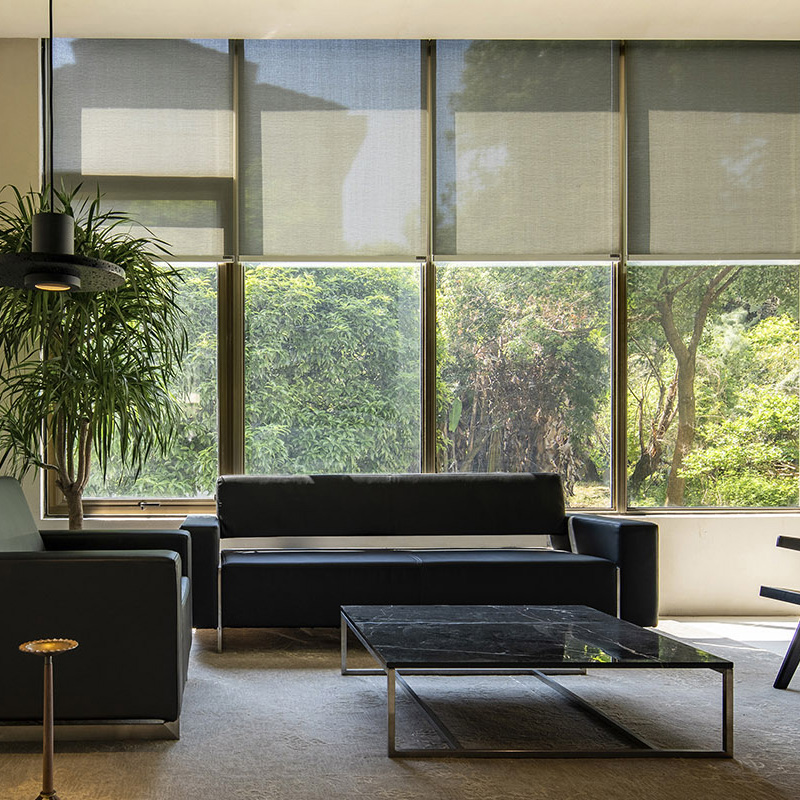
Remote  control shades are a modern  solution for businesses looking to enhance  comfort and functionality  in their spaces. These products  offer  convenient operation, allowing users to  adjust light and privacy with  the push  of a button. For purchasing  managers  and decision-makers, key concerns often include product specifications, supplier reliability,  and the potential for  common issues. This article  will provide insights on  what to  consider when  selecting remote control shades,  ensuring informed purchasing decisions  that meet  specific application needs.
How to Choose Reliable Suppliers for Shades

How to Choose Reliable Suppliers for Shades

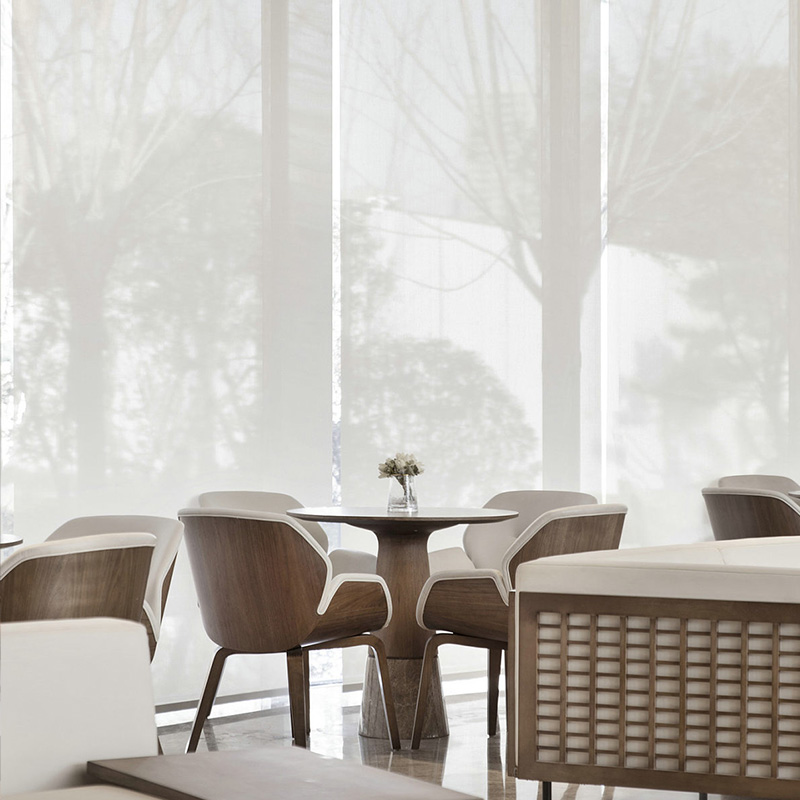
Selecting a reliable supplier for remote control shades involves careful evaluation. Here are several factors to consider:

Experience and Reputation: Look for suppliers with a proven track record in manufacturing and supplying window treatments. A company like Wintom, with over 29 years of experience, often indicates a  reliable choice due to its established processes and quality control measures.

Customization Capabilities: Ensure that the supplier can accommodate specific  requirements, such  as  custom sizes, colors, and materials. This flexibility can be critical for projects with unique specifications, such as implementing the JD50J Silent Electric Roller Blind which allows for custom designs.

Quality Control Processes: Inquire about the supplier’s  quality assurance protocols. A reputable supplier  should have stringent quality checks  throughout production to minimize defects and ensure consistency.

Customer Service and Support: Assess the supplier's responsiveness and willingness to assist  with queries or issues. A supplier who offers  robust customer support can help  address  concerns promptly and effectively,  which is vital  for maintaining operational  efficiency.

References and  Reviews:  Request references or seek out reviews from  previous clients.  This  feedback can provide insight into the supplier's reliability, service quality, and product performance.

By focusing on these factors, buyers can forge partnerships with suppliers that enhance their  operational capabilities and ensure product satisfaction.
What to Look for in Remote Control Shades

What to Look for in Remote Control Shades

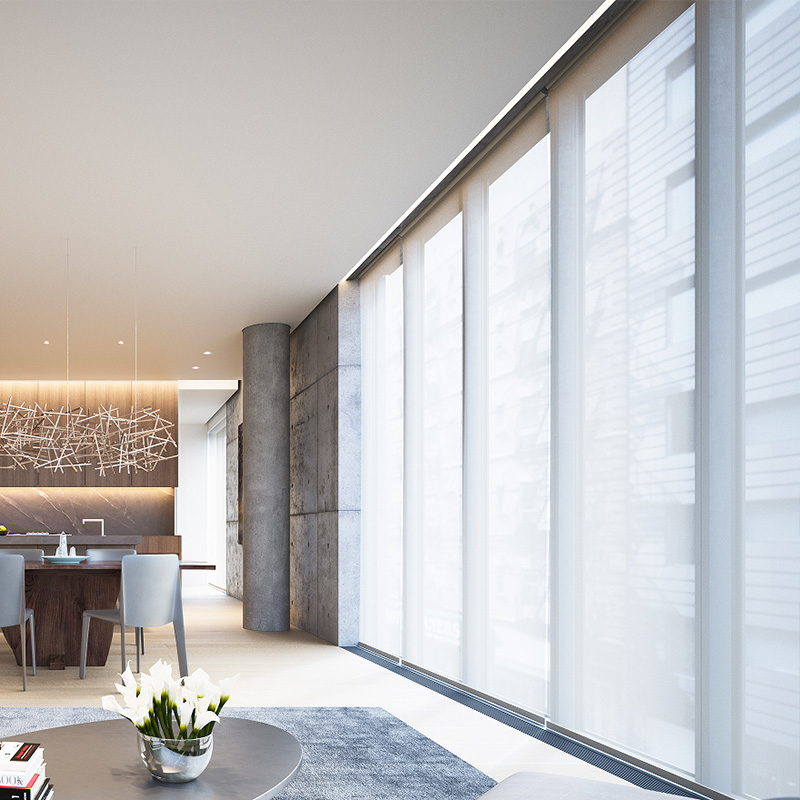
When selecting  remote control  shades, buyers should assess the following characteristics:

Ease of Use: The  shades should operate smoothly without technical glitches. Testing a sample before placing a bulk order  can provide insight into operational  reliability.

Aesthetic Appeal: The design and color of  the shades should complement the intended environment. Consideration  of how the shades fit within the overall design theme is essential.

Energy Efficiency: Look for shades that offer energy-saving benefits, such as  insulation properties  that help regulate indoor temperatures. This  can lead to lower energy  costs and a more  comfortable environment.

Durability: Ensure that the materials used can withstand wear and tear, especially in high-traffic areas. Inquire about the expected lifespan of the shades and any  maintenance that may be required.

Installation Requirements: Consider how easy it  is to install the shades.  A supplier that provides clear installation guidelines or offers installation services can save  time and effort.

By focusing on these aspects, buyers can ensure  that they choose  remote control shades that effectively serve their intended purpose while enhancing the overall  environment.

Common Problems with Remote Control Shades and Effective Solutions

Common Problems with Remote Control Shades and Effective Solutions

Remote control shades can present certain  challenges. Being aware of these issues and  their solutions can facilitate smoother operations:

Connectivity Issues: Sometimes, remote control shades may experience  connectivity  problems, particularly if they rely  on wireless technology. Ensure that the shades are compatible with your existing home automation system. Regularly check  for updates and connectivity settings.

Battery  Life: Shades powered by batteries may require frequent replacements, leading to operational downtime. Choosing rechargeable options or exploring hardwired solutions  can mitigate this  issue.

Mechanical Failures: Occasionally, the mechanism that operates the shades  can fail.  Implementing a maintenance schedule that includes regular checks and servicing can help catch potential issues before they affect operation.

Fabric Wear: Over time,  fabrics may fade or  wear, impacting aesthetics and functionality. Selecting high-quality materials and understanding  care instructions can prolong the lifespan of your shades.

Installation Errors: Improper installation  can lead to functionality issues. Always follow  the installation guidelines provided  by the manufacturer  and consider professional installation services if necessary.

Addressing these common problems proactively can enhance the longevity  and performance of remote control shades, ensuring they continue to meet operational requirements.

Understanding the Best Fabrics for Shades

Choosing the right fabric  for remote control shades is essential  for achieving desired performance and aesthetics. Here are key considerations:

Light  Filtration: Different fabrics offer varying levels of light control. For example, sheer  fabrics allow natural light while providing privacy, whereas blackout fabrics  completely block light, making them  ideal for bedrooms or conference rooms.

Insulation Properties: Fabrics with thermal properties can help regulate indoor temperatures, contributing to energy efficiency.  Consider materials that are designed to minimize heat transfer.

Durability: The fabric's resistance to  fading, tearing, and wear is crucial,  especially  in commercial applications. Synthetic fibers often provide  greater durability compared to  natural fibers.

Maintenance  Requirements: Fabrics that  are easy to clean and maintain can save time and costs in  the long run. Look for materials that are stain-resistant and can be cleaned with minimal  effort.

Aesthetic Compatibility: The fabric should align with the overall design  vision of the space. Consider colors, textures, and patterns that will enhance the environment.

By understanding these fabric characteristics,  buyers can select  remote control shades that meet both functional and aesthetic requirements, ensuring satisfaction and effectiveness in their intended applications.

Key Specifications for Buyers

When evaluating remote control shades, buyers should focus on several key specifications:

Material: The choice of fabric or material impacts  durability, light filtration, and insulation  properties. Common materials include  polyester, vinyl, and natural fibers, each offering different  benefits  depending on the application (e.g., residential vs. commercial). For example, the FC25 Electric Honeycomb Blind is a popular choice due to its excellent insulation properties.

Dimensions: Custom sizing is often required to fit specific window dimensions. Accurate  measurements are critical  to ensure proper fit  and functionality. Buyers should provide precise height and width when requesting quotes.

Control Mechanism: Remote control shades can be powered  by rechargeable batteries,  hardwired  electricity, or solar power.  The control method may  affect installation, maintenance, and operational costs.

Operating Mechanism: Consider whether the shades operate via  a handheld remote, wall switch, or app integration.  Compatibility with smart home  systems can  also be  a deciding factor for tech-savvy buyers.

Warranty and Certification: Check for warranties that cover defects and operational issues, and ensure that products meet safety and quality standards relevant  to your industry.

Understanding these specifications enables buyers to select shades that not only meet aesthetic preferences but also provide functionality tailored to  their operational needs.

Frequently Asked Questions

What are remote control shades and how do they work?

Remote control shades are window coverings operated by a handheld or wall-mounted remote, using RF or IR signals to raise, lower, or tilt the fabric or slats. They integrate motors and a receiver for smooth, automated adjustment.
Many Wintom remote shades support integration with common smart hubs and can be configured for voice control or automation. Compatibility depends on model; contact Wintom with your hub type for specific pairing details.
Wintom remote shades offer hardwired, rechargeable battery, and replaceable battery options to suit installation constraints and energy preferences.
Wintom uses quality motors and tested components developed over decades, with built-in overload protection and quiet operation to ensure long-term durability and safe performance.
Wintom provides product warranty and technical support backed by its 29+ years of R&D and production experience. Contact customer service for warranty terms and service procedures.

Get Your Custom Project Solution Fast

Commercial Shading / Fire Shutter / Smart Building Projects for Hotel, Office, Airport
Your Name
Email
Mobile
Project Type
Short Message
0/1000

Related product categories