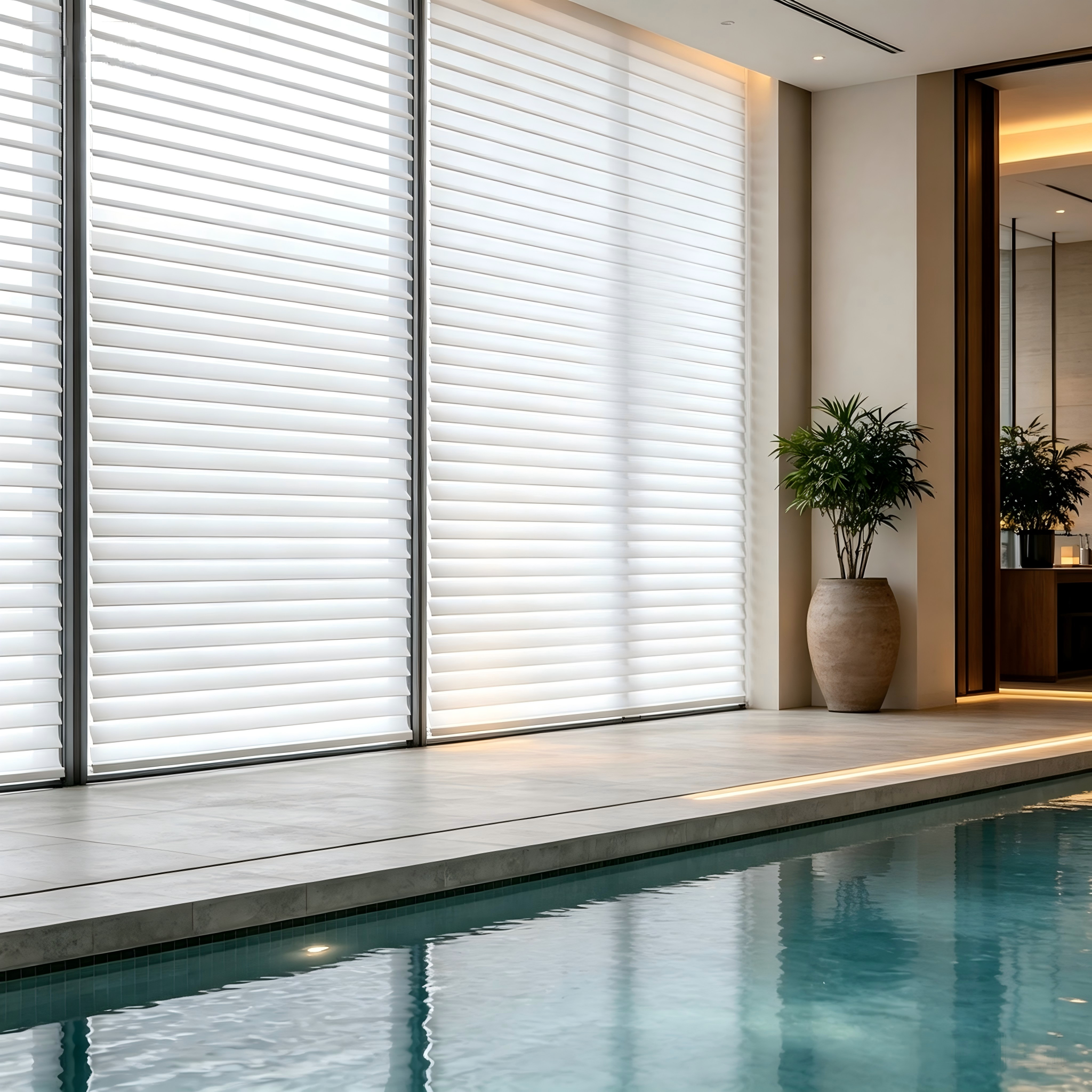
Choosing Project Blinds for Your Clients

project blinds

In  the realm of intelligent window decoration,  project  blinds  serve  as a crucial element  for  both  aesthetic appeal and functional performance. For  B2B buyers, particularly  purchasing managers  and product managers, selecting the right project  blinds involves several considerations,  from specifications and materials to  quality  control and installation practices. This article aims to provide a comprehensive guide that addresses  common  concerns and offers practical insights into choosing and  utilizing project blinds  effectively.
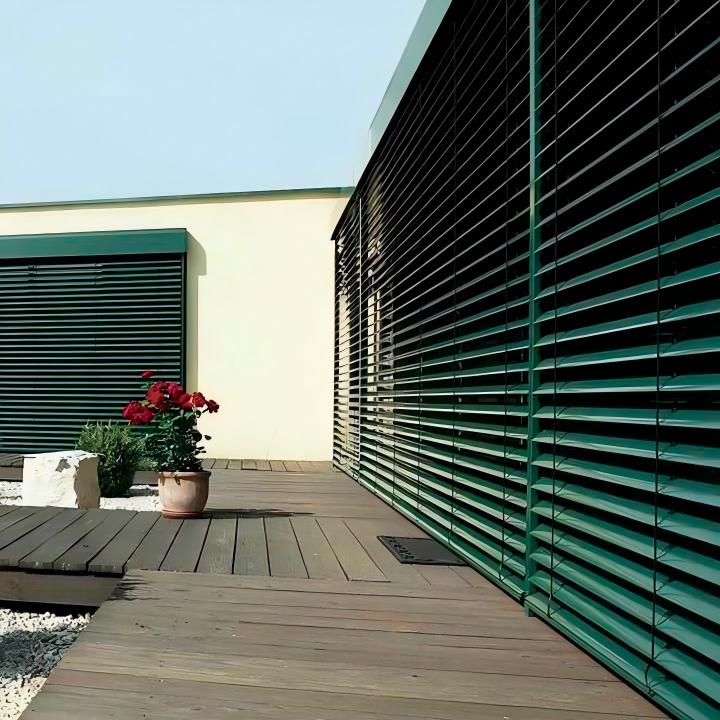
Key Specifications of Project Blinds for Wholesale Buyers

Key Specifications of Project Blinds for Wholesale Buyers

When sourcing project  blinds, wholesale buyers should focus on critical  specifications that impact product performance and longevity. Key specifications include:

Material: Common materials include fabric, aluminum, and PVC. The choice affects durability, maintenance, and light  control. For  instance, aluminum blinds are lightweight and resistant to moisture, making them suitable for  humid environments, while fabric options offer  better aesthetic flexibility.

Dimensions: Accurate measurements are vital. Ensure that the  dimensions provided match  the  installation requirements, as variations can  lead  to installation challenges  or functional issues.

Mechanism Type: Options include manual, motorized, and automated systems. Motorized  blinds can enhance convenience but may  require additional electrical considerations during installation.

Light Filtering and Privacy  Levels: Buyers should specify the desired  light filtering characteristics (e.g., sheer, blackout) and privacy levels based on  the application.

These  specifications will not only guide your purchase decisions but also help in communicating effectively with  manufacturers.
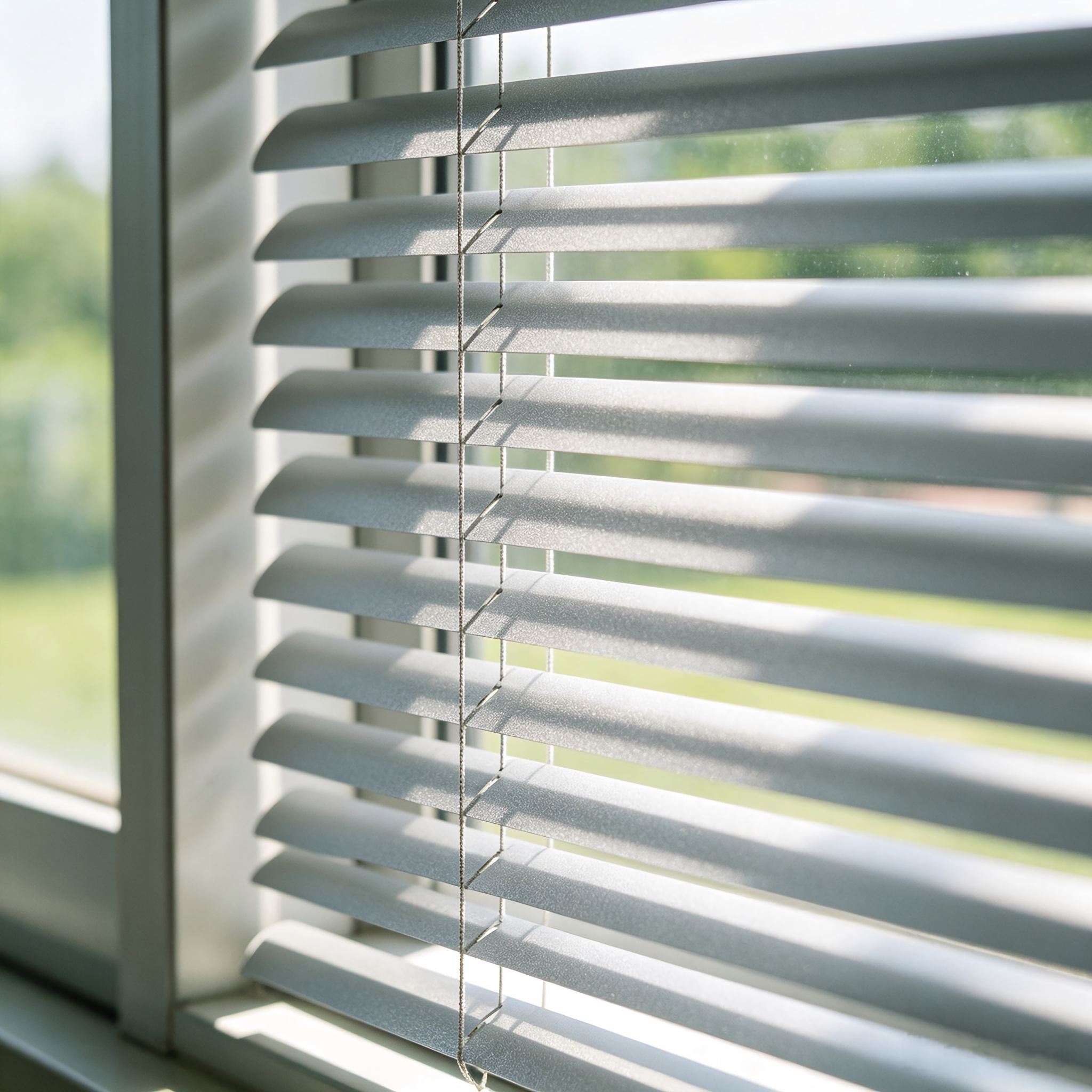
Quality Control Practices in Project Blinds Manufacturing

Quality Control Practices in Project Blinds Manufacturing

Quality control  is paramount in the  manufacturing of project blinds to ensure that products meet the necessary  standards and specifications. At  Wintom, rigorous  quality assurance practices are implemented throughout the production  process.

Material Inspection: Before  production begins, all raw materials undergo thorough inspection to confirm they meet quality standards. This includes testing for durability, colorfastness,  and resistance to environmental  factors like moisture and  UV rays.

In-Process Checks: During manufacturing, regular inspections are performed to monitor production  consistency. This involves  checking dimensions,  mechanism functionality, and overall craftsmanship.

Final Quality Assessment: Before shipment, each  batch of  blinds is subjected to a final inspection, ensuring that all products  meet the agreed specifications and quality standards. This step is crucial  to minimize returns and enhance  customer satisfaction.

By understanding these quality control practices,  buyers can assure themselves of receiving reliable products.

Installation Guidance for Project Blinds in Various Applications

Installation Guidance for Project Blinds in Various Applications

The installation of project blinds can vary significantly based on  the type of blinds and the specific  application. Here  are key installation considerations:

Preparation: Ensure  that the mounting surface is clean and structurally sound. For heavy-duty  blinds, verify  that the  surface can support the weight.

Installation Type: Determine whether the installation  will be  inside or outside the window frame. Inside mounts require precise measurements,  while outside  mounts provide more flexibility  in covering gaps.

Alignment and Leveling: Use a level  to ensure  the blinds are installed straight. Misalignment can affect their functionality and aesthetic appeal.

Motorized Blinds: For  motorized options, follow the manufacturer's instructions for electrical connections and remote  setup. Testing the motorization before completing the installation can prevent future operational issues.

By adhering to these guidelines, installers can ensure a smooth and effective  installation process, contributing to the  long-term  performance of the  project blinds.

Common Problems with Project Blinds and Their Solutions

Despite the best planning and quality control, issues can  arise with project blinds. Here are some  common problems  and  their solutions:

Operational Issues: If blinds do not operate smoothly, check for obstructions in the mechanism or  misalignment in the installation.  Lubricating moving parts may also help.

Fading and  Wear: Sun exposure can lead to fading. Opting for UV-resistant  materials  can mitigate this issue. Additionally, regular cleaning can reduce  wear over  time.

Sizing Problems: If blinds are too short or long, verify the initial measurements and consider adjustments or custom  orders.  Communication with the manufacturer about specific requirements can prevent these issues.

Motorized Blinds Malfunction: For motorized  options, ensure that the  power supply is connected  and that  the remote  control is functioning. If problems persist, consult the manufacturer's troubleshooting guide.

Understanding these common problems and their solutions can save buyers time and money, ensuring  a smoother  experience throughout the lifecycle of project blinds.

How to Choose the Right Project Blinds for Your Client Needs

Choosing the right project blinds involves evaluating several key  factors tailored to  the specific needs of your clients. First, consider the application environment—whether residential, commercial, or industrial—as  this will dictate  the type of materials and mechanisms required.  For instance, UV  resistance may  be  more critical in areas  with prolonged sun  exposure, while thermal insulation might be prioritized in energy-efficient buildings. Additionally, options like Motorized Curtain Tracks can enhance convenience in challenging installations.

Next, assess the desired aesthetics. Project blinds come  in various styles, colors, and textures, and selecting options that align with the client's interior design vision is essential. Additionally,  functionality plays a pivotal role; for example,  motorized blinds may be necessary for hard-to-reach windows  or for clients seeking  convenience.  Consider integrating Roller Blinds for a sleek and modern look that complements various interiors.

Lastly, discuss any customization needs early in the  selection process. Understanding whether  the client  requires unique dimensions, colors, or additional  functionalities can  streamline production and ensure satisfaction.

Frequently Asked Questions

What is Project Blinds by Wintom?

Project Blinds is Wintom’s intelligent window shading solution designed for commercial and residential projects, combining automated controls, durable materials, and 29+ years of R&D expertise.
Options include fabric types, colors, sizes, control systems (motorized/manual), mounting styles, and integration with building automation for tailored installations.
Yes. Project Blinds support common automation protocols and can integrate with building management systems, timers, and remote-control solutions for centralized operation.
Lead times vary by order size and customization; typical production plus delivery ranges from 2 to 8 weeks. Exact timing provided after specification and order confirmation.
Wintom provides warranty coverage and technical support for Project Blinds, including installation guidance, troubleshooting, and maintenance advice backed by decades of industry experience.

Get Your Custom Project Solution Fast

Commercial Shading / Fire Shutter / Smart Building Projects for Hotel, Office, Airport
Your Name
Email
Mobile
Project Type
Short Message
0/1000

Related product categories