Choosing the Best Office Shading Systems

Office shading systems

When it comes to enhancing workspaces, office shading systems play a crucial role in managing natural light, improving energy efficiency, and ensuring comfort for employees. For B2B buyers, selecting the right shading solution involves considerations around material quality, application suitability, and potential maintenance issues, we will explore the critical factors to consider when choosing office shading systems, ensuring you make a well-informed decision that meets your project requirements.
Our Products

How to Evaluate the Quality of Office Shading Systems

When assessing the quality of office shading systems, several factors come into play. Begin by examining the materials used in the shading products, as these directly affect durability and performance. 

Material Quality: Look for high-quality fabrics that can withstand wear and tear. Options like polyester or polycotton blends are commonly used due to their resilience and ease of cleaning. 

Construction Standards: Ensure the systems adhere to industry standards for manufacturing, which can often be verified through certifications. Systems produced by established manufacturers like Guangdong Chuangming Shading Engineering Technology Co., Ltd., known for over 29 years in the field, tend to uphold higher quality benchmarks. 

Warranty and Support: A strong warranty indicates the manufacturer’s confidence in their product. Look for warranties that cover both materials and workmanship, ensuring long-term support. 

User Reviews and Case Studies: Research feedback from previous installations. Real-world performance can provide insights that specifications alone cannot convey. 

Essential Specifications for Office Shading Systems You Need to Know

Understanding the technical specifications of office shading systems is vital for making an informed purchasing decision. Here are some key specifications to consider: 

Dimensions: Accurate measurements are crucial. Systems must fit the specific window sizes and configurations to ensure proper operation and aesthetic appeal. 

Light Control Levels: Different products offer varying degrees of light filtering. Some may provide blackout options for complete light blockage, while others allow for diffused light, which can create a pleasant workspace. 

UV Protection: Check for materials that offer UV protection to minimize fading of interior furnishings and to enhance comfort for employees by reducing glare. 

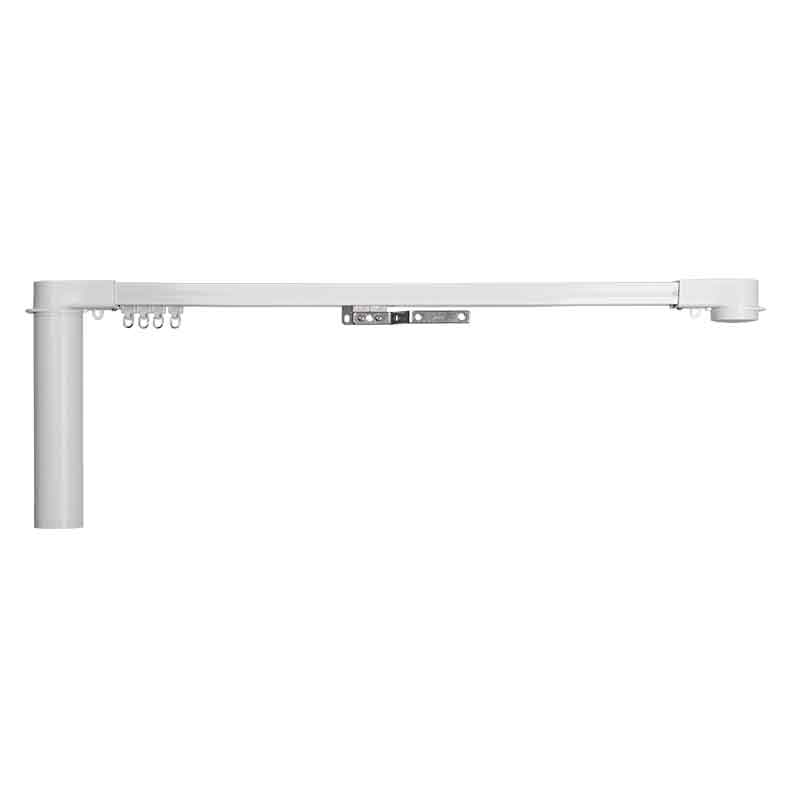
Operating Mechanism: Understand the mechanism of operation—manual versus motorized. Motorized systems may require additional wiring and controls, which could influence installation costs. 

Energy Efficiency Ratings: Some shading systems come with energy efficiency ratings, which can help in assessing their effectiveness in reducing energy consumption. 

Common Problems with Office Shading Systems and Their Solutions

While office shading systems are designed for performance, they may encounter issues that require attention. Here are common problems and their solutions: 

Malfunctioning Mechanisms: Motorized systems may experience operational failures. Ensure regular maintenance checks are scheduled, and consider investing in systems with reliable components known for durability. 

Fabric Wear and Fading: Over time, exposure to sunlight can cause fabrics to fade. Opt for UV resistant professional commercial blinds and ensure proper cleaning methods to prolong lifespan. 

Poor Installation: Incorrect installation can lead to operational issues. Always use professional installers familiar with the product specifications to ensure optimal function. 

Limited Customization: Buyers may find that standard options do not fit their specific needs. Communicate your requirements clearly with the supplier, as companies like Wintom offer customization capabilities to meet diverse project requirements. 

Understanding Material Advantages in Office Shading Systems

The materials used in office shading systems significantly impact their performance, aesthetics, and durability. Here are some common materials and their advantages: 

Fabric: Polyester and polycotton blends are popular due to their strength and minimal maintenance needs. These materials are also available in various colors and patterns, allowing for customization in design. 

Aluminum: Often used in blinds, aluminum provides a sleek, modern appearance and is resistant to warping, making it ideal for environments with fluctuating temperatures. 

Wood: Wooden blinds offer a classic aesthetic but may require more maintenance. office commercial blinds  are suitable for high-end offices where appearance is paramount. 

Eco-friendly Options: Sustainable materials, such as recycled fabrics, are becoming more common. These options not only reduce environmental impact but also appeal to eco-conscious businesses. 

Insulating Properties: Some materials are designed to provide additional insulation, helping to regulate indoor temperatures and further improve energy efficiency. 

By understanding these material advantages, buyers can choose office shading systems that align with their functional and aesthetic needs, while also considering environmental impacts. 

In summary, selecting the right office shading systems requires careful consideration of various factors, from material quality and operational mechanisms to the specific requirements of your workspace. Understanding these elements will help ensure that you invest in a solution that meets both your functional needs and enhances the overall office environment. 

Choosing the Right Office Shading Systems for Your Projects

Selecting the appropriate office shading system begins with understanding the specific needs of your workspace. Factors such as window size, orientation, and the overall architectural style of the building will influence your choice. 

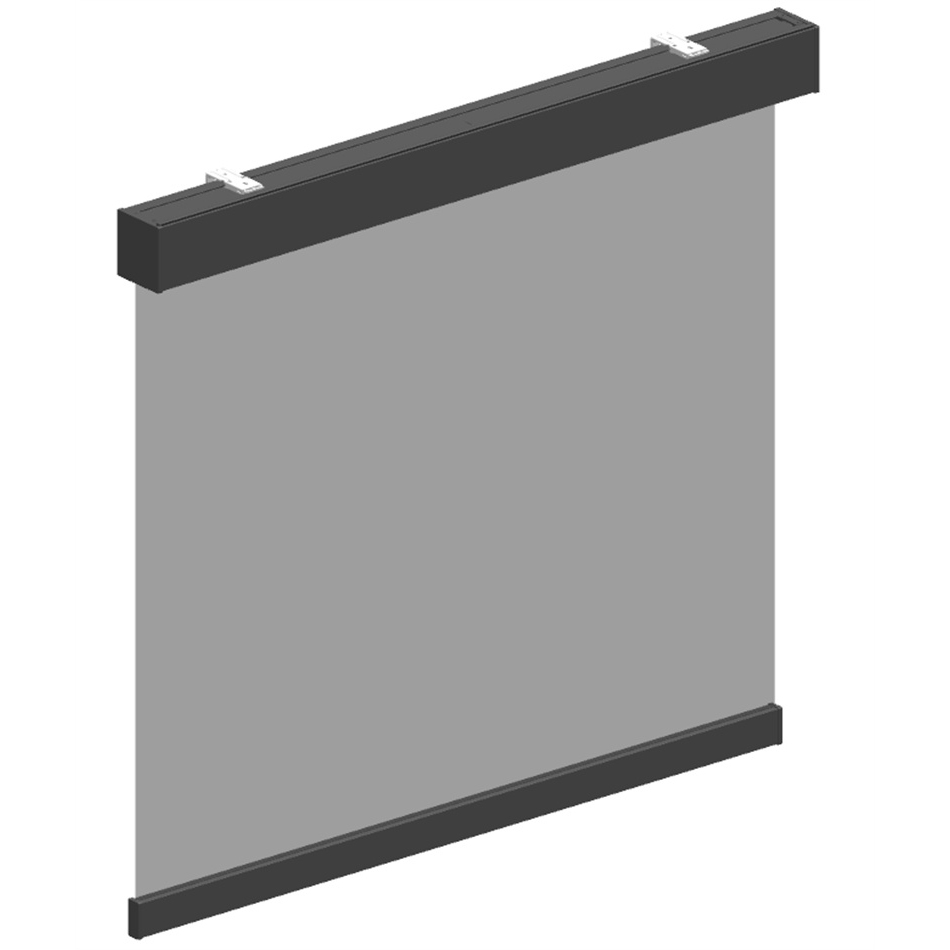
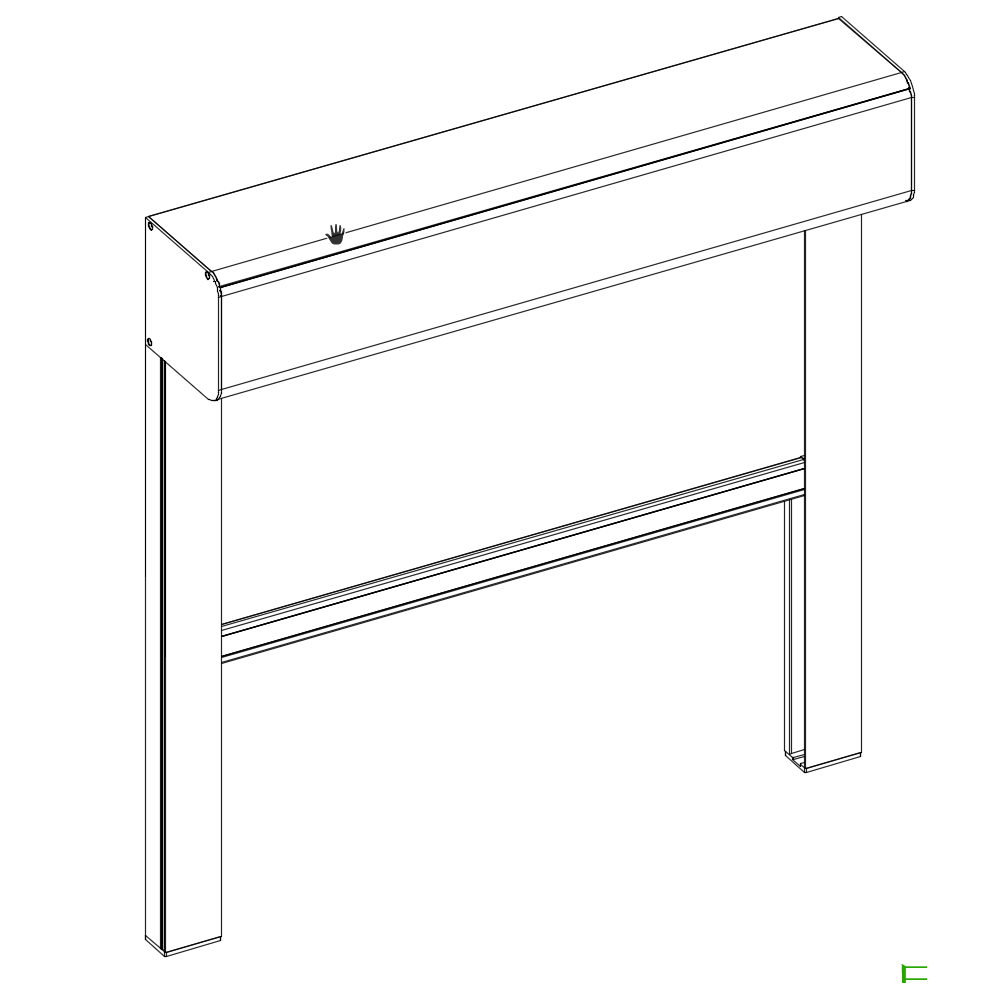
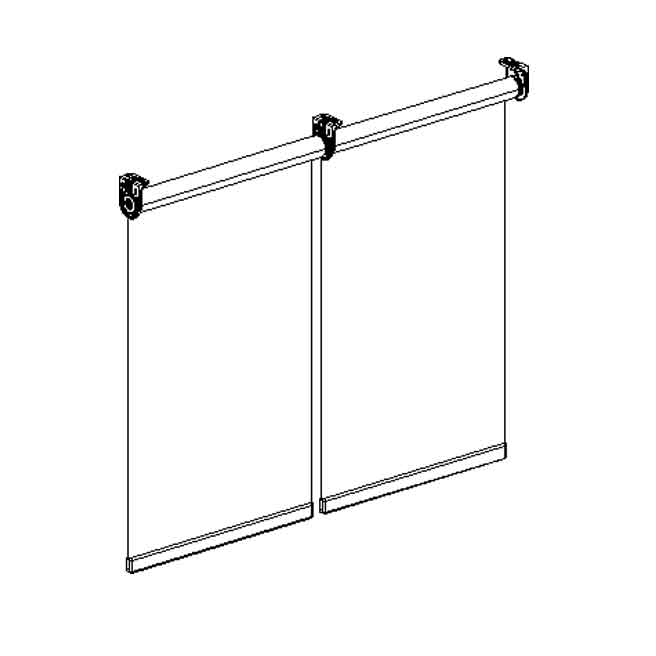
Types of Systems: Common types include roller shades, Venetian blinds, and motorized solutions. Each type offers distinct advantages; for example, motorized systems provide convenience and can be integrated with smart building technologies, enhancing energy efficiency. 

Control Mechanisms: Consider whether you need manual adjustments or automated systems that respond to sunlight levels.  Automated solutions can help optimize energy use by adjusting based on the time of day or season. 

Aesthetic Considerations: The design of the shading system should complement the interior decor. school commercial blinds options allow for tailored solutions that fit seamlessly into the office environment. 

Energy Efficiency: Evaluate how the system can reduce heating and cooling costs. Effective shading can significantly decrease reliance on HVAC systems, which is a significant consideration for sustainability-focused projects. 

Frequently Asked Questions

What types of office shading systems do you offer?

We provide motorized blinds, roller shades, vertical systems and smart integrated solutions tailored for offices, designed for light control, privacy and energy efficiency.
Yes. Our systems support integration with common building automation protocols and smart controls for centralized scheduling and sensor-based operation.
Yes. With 29+ years of R&D and production experience, we offer custom sizes, fabrics, finishes and control options to match project requirements.
Lead time varies by customization and quantity but typically ranges from 3 to 8 weeks. Faster timelines may be possible for standard configurations.
We offer manufacturer warranty and technical support for installation, maintenance and controls. Specific warranty terms depend on product model and project scope.

Get Your Custom Project Solution Fast

Commercial Shading / Fire Shutter / Smart Building Projects for Hotel, Office, Airport
Your Name
Email
Mobile
Project Type
Short Message
0/1000

Related product categories