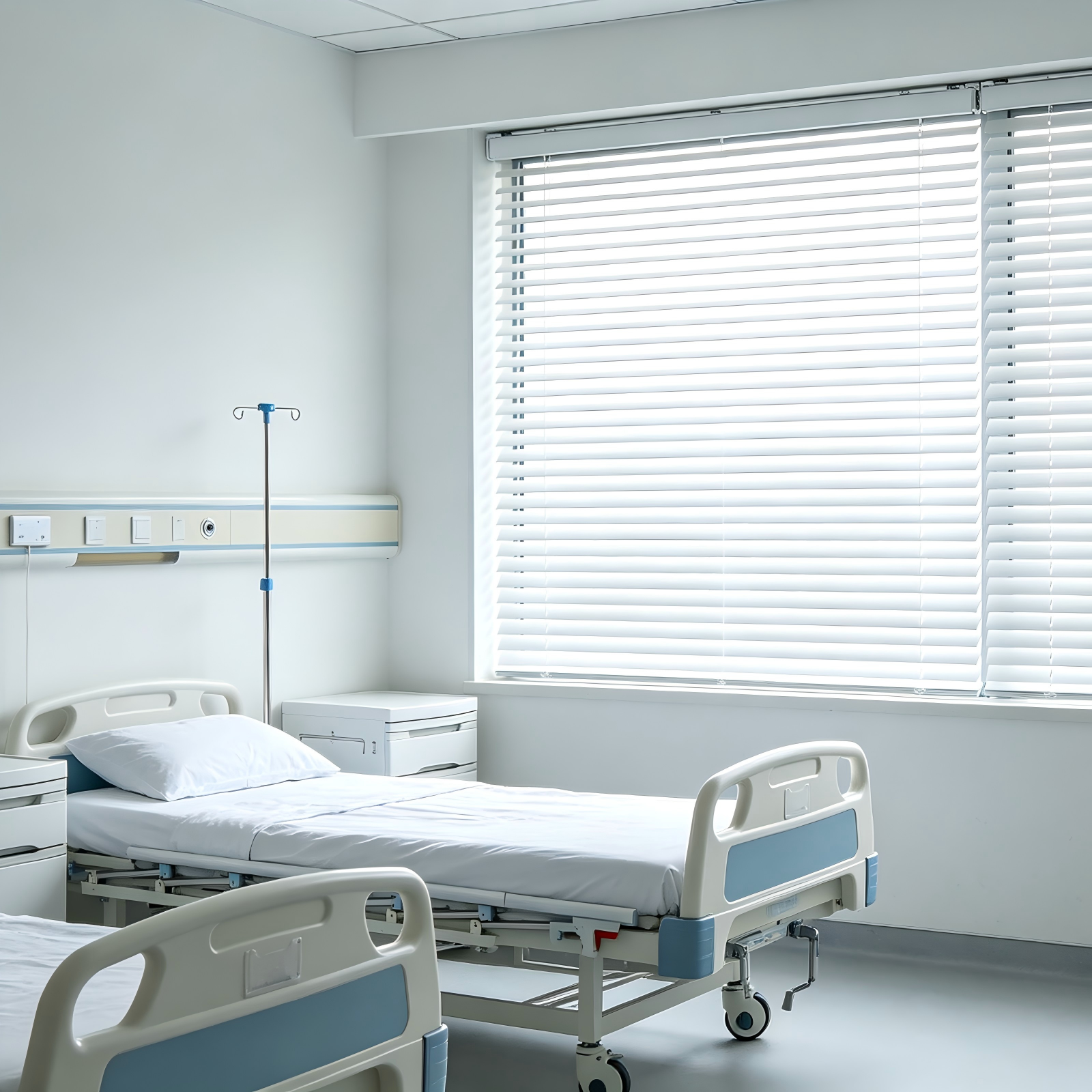
Choosing the Right Hospital Blinds for Healthcare

hospital blinds

Hospital  blinds are specialized window coverings designed to  meet the unique requirements of healthcare environments.  These products not only enhance privacy and aesthetics  but also contribute to  patient comfort and  infection control.  With an extensive  history of over  29 years in intelligent window  decoration, Wintom specializes in manufacturing high-quality hospital blinds  that cater to  the  specific  needs of healthcare facilities. This article will guide  you through the  essential  considerations for selecting hospital  blinds, including specifications,  purchasing tips, and applications across various healthcare settings.  For example, options like Motorized Curtain Tracks can greatly enhance ease of use in these environments.
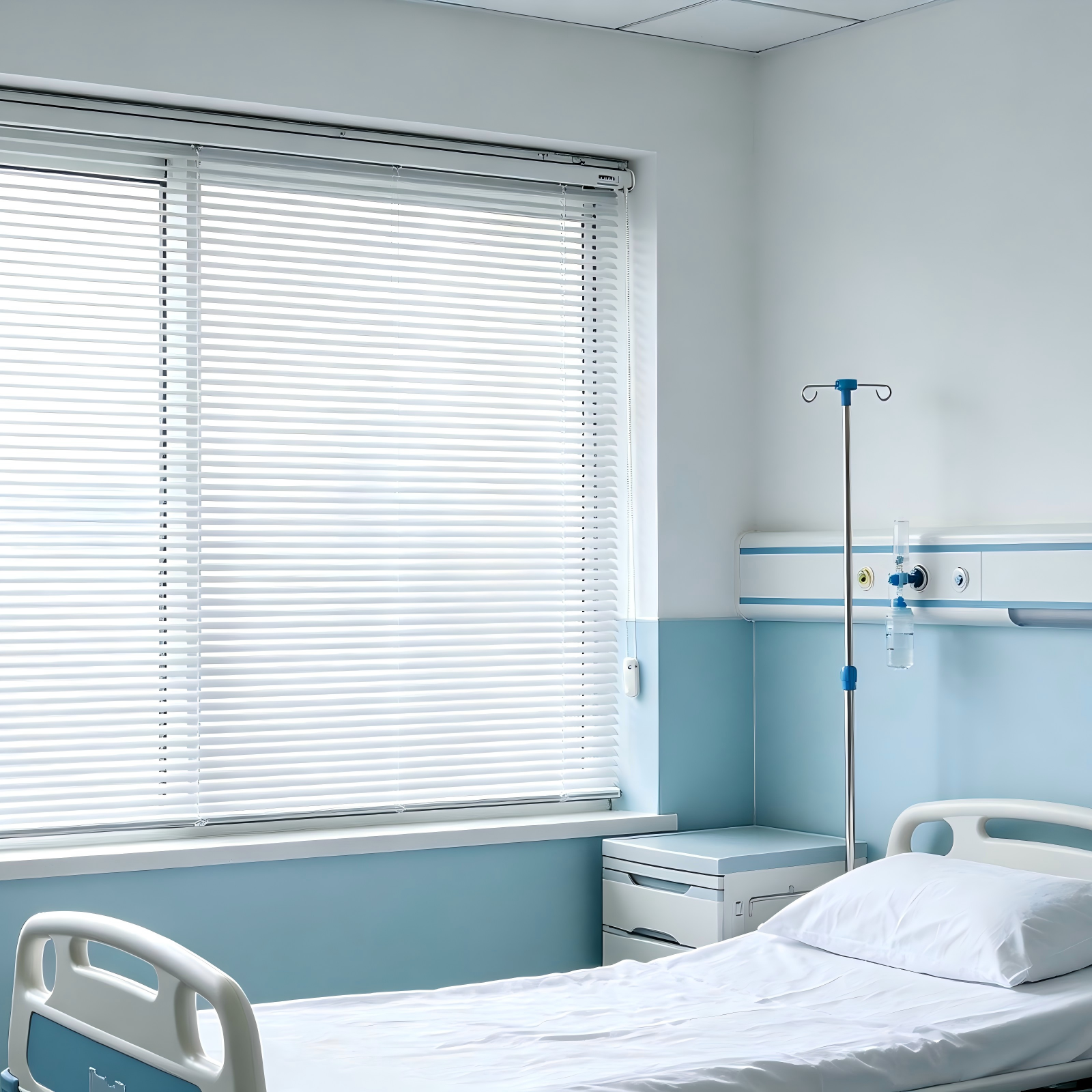
 
Cost Factors to Consider When Purchasing Hospital Blinds in Bulk

Cost Factors to Consider When Purchasing Hospital Blinds in Bulk

When sourcing hospital  blinds,  understanding key specifications is crucial  for ensuring that the products meet your facility's needs.

Dimensions: Accurate measurements  of window sizes  are critical. Blinds should  fit snugly to prevent light leakage and to ensure proper functionality. It is advisable to  consult the manufacturer for  their recommended measuring techniques.


Opacity: The level of opacity  affects light control and privacy. For patient recovery areas, high-opacity or blackout blinds are often preferred, while common  areas may benefit from  light-filtering options.

Fire Resistance: Compliance with fire safety regulations is imperative in healthcare settings. Ensure  that the materials used in the  blinds  are certified for fire resistance to minimize risks.

Thermal Insulation: Insulating  properties can help maintain comfortable temperatures within patient  rooms, which can aid  in recovery. Consider blinds that  offer thermal benefits, reducing the need for excessive heating  or cooling.

Common Problems with Hospital Blinds and Effective Solutions

Common Problems with Hospital Blinds and Effective Solutions

When purchasing hospital blinds in bulk, consider  the following tips  to ensure quality and value:

Supplier Reputation: Evaluate potential suppliers based on their experience and expertise  in manufacturing hospital blinds.  A supplier like Wintom, with nearly  three decades in the industry, is likely to have established  quality control processes.


Request Samples: Before placing a  large order, request  samples to assess material quality, color  accuracy, and functionality. This step helps in verifying  that the blinds meet the  required specifications.

Bulk Discounts and Terms:  Inquire about pricing structures for bulk orders. Some suppliers may offer discounts based  on order quantity or flexible payment terms for large  purchases.

Customization Options: Discuss customization possibilities such as  color, size, and features that cater to your facility's specific needs. Customization can enhance the overall aesthetics  and  functionality  of  the blinds.

Material Advantages of Different Hospital Blinds for Various Uses

Material Advantages of Different Hospital Blinds for Various Uses

Understanding the cost factors associated with hospital blinds is essential for  budgeting purposes. Here are key elements to consider:

Material Costs: The choice of materials significantly impacts  overall costs. High-quality, durable materials may have a higher upfront cost  but can  lead to long-term savings due to  reduced replacement frequency and  lower maintenance needs.

Manufacturing Complexity: Complex designs or custom  features can increase production costs. Be  clear about  your  requirements to  avoid unexpected expenses.

Shipping and Handling: Consider the logistics of delivery and any associated  costs. Bulk orders may incur higher  shipping fees, so it’s beneficial to  discuss these  details with the supplier  upfront.

Installation Costs:  If professional installation is needed, factor in those costs  as well. Some  suppliers may provide installation services or recommend trusted partners.


A Comprehensive Overview

Hospital blinds serve a variety of  functions  across different healthcare environments, each requiring specific considerations:

Patient Rooms: Inpatient areas benefit from blinds that  provide privacy and light  control, essential for patient comfort and rest. Blackout blinds are often preferred for their ability to block out light entirely.

Operating Theaters: Blinds in surgical areas should maintain a sterile environment. Materials used must be easily cleanable and non-porous, reducing the  risk of contamination.

Waiting Areas: Common areas may require blinds that enhance  aesthetics while providing  some level of light filtering.  Here, the focus may be on creating a calming environment for patients and visitors.

Intensive Care Units  (ICUs): In ICUs, blinds must offer both privacy and ease of access for monitoring  equipment. Motorized options can facilitate quick adjustments  by healthcare  staff without  compromising patient care.

By understanding these applications, buyers can make informed decisions that support patient care  and operational efficiency in healthcare settings. Selecting the right hospital blinds involves careful consideration of  specifications,  functionality, and supplier reputation. By following these guidelines, healthcare facilities  can ensure that they  choose products that enhance  patient comfort, meet quality standards,  and fit within budget constraints.

What to Look For

Selecting the  appropriate hospital blinds involves understanding the specific needs of your facility. Key factors to  consider include material, functionality, and ease  of maintenance.

Material: Hospital blinds are typically made from materials  that offer durability and are easy to clean,  such as PVC, polyester, or specialized antimicrobial fabrics.  Materials should be selected based on  their resistance to moisture and  ease of disinfection, particularly in patient areas.

Functionality: Consider the functionality of the  blinds. Options include manual or motorized  systems, light-filtering or blackout capabilities, and compatibility  with existing window structures. Motorized blinds can enhance accessibility for patients and staff, while blackout options are essential for  areas requiring total darkness. In addition, Roller Blinds can also be a suitable choice for their versatility.


Ease of Maintenance: Healthcare environments necessitate regular cleaning  to  prevent  the  spread of infections. Choose blinds that are  easy to remove and clean, or those that  can withstand  high temperatures for laundering.

Frequently Asked Questions

What types of hospital blinds do you offer?

We provide motorized and manual hospital blinds including roller, vertical, and blackout options designed for patient rooms, operating theaters, and public areas with hygienic, easy-clean materials.
Yes. Our blinds use anti-microbial, dust-resistant fabrics and smooth profiles to meet medical cleanliness needs and simplify disinfection routines.
Yes. Our intelligent window solutions support integration with common building management and nurse-call systems, with motorized controls and optional remote scheduling.
We offer custom sizes, colors, fabrics, and control types. Projects can specify flame retardancy, blackout level, and mounting methods to meet hospital requirements.
We offer manufacturer warranty, spare parts supply, and technical support from our R&D and service team with over 29 years of experience in window shading solutions.

Get Your Custom Project Solution Fast

Commercial Shading / Fire Shutter / Smart Building Projects for Hotel, Office, Airport
Your Name
Email
Mobile
Project Type
Short Message
0/1000

Related product categories