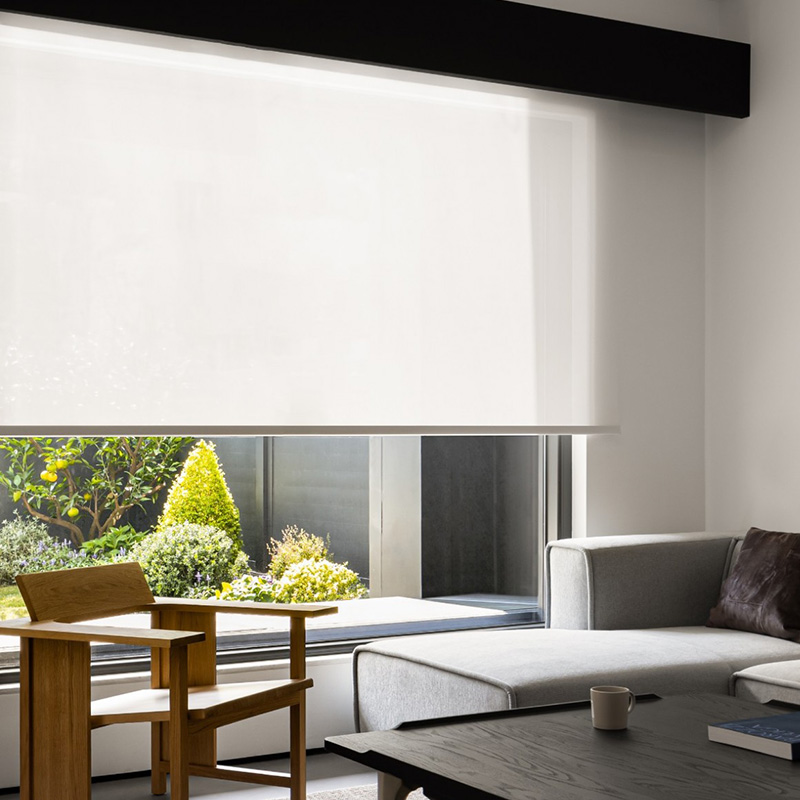
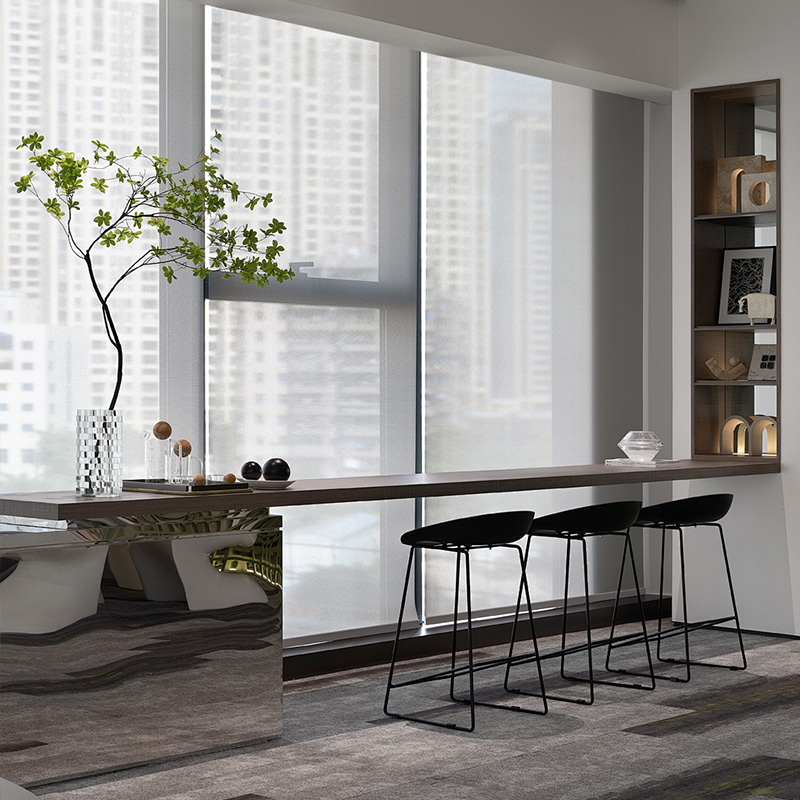
Wireless shades are an innovative solution for modern window management, providing a seamless blend of functionality and aesthetic appeal for various commercial and industrial applications. As purchasing managers and product managers look to integrate these advanced shading systems into their projects, they often have specific concerns regarding quality, performance, and supplier reliability. This article will guide you through sourcing reliable suppliers, evaluating specifications, understanding cost factors, identifying suitable applications, and providing installation guidance for wireless shades.
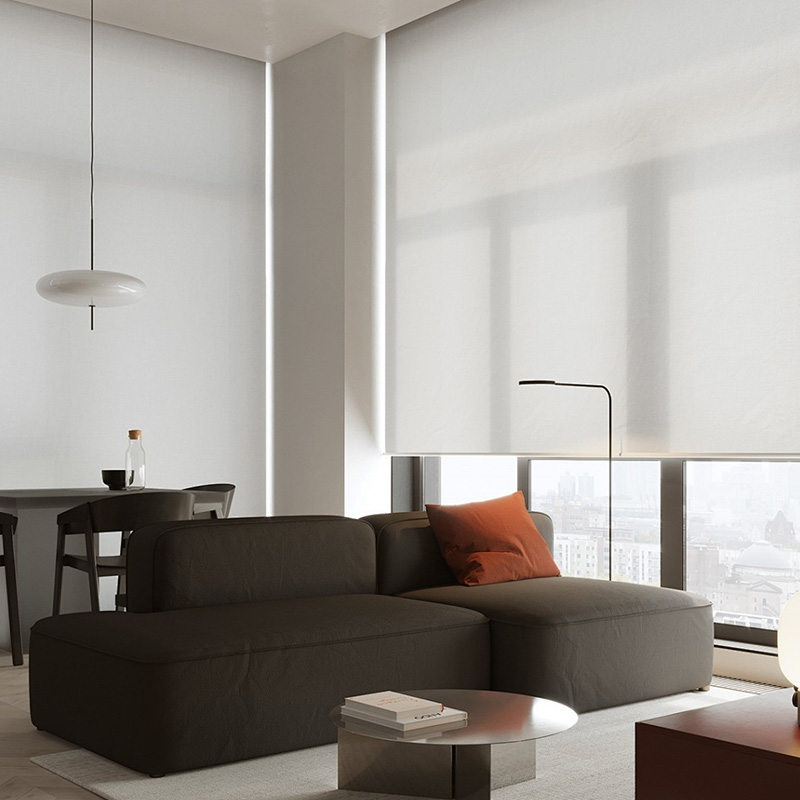
Specifications to Review for High-Performance Wireless Shades
When selecting wireless shades, it's essential to review specific product specifications that can significantly impact performance and suitability for your application. Key specifications include:
Material: The choice of fabric or material affects durability, light filtration, and insulation properties. Consider materials that offer UV protection and energy efficiency, especially for commercial spaces with large windows.
Dimensions: Accurate measurements are crucial for ensuring a proper fit. Verify the height and width of the shades against the window dimensions and consider any required allowances for installation hardware.
Control Mechanisms: Assess the technology used for wireless operation, such as RF (Radio Frequency) or smartphone app compatibility. This will impact user convenience and functionality.
Battery Life: Wireless shades typically rely on batteries, so understanding the expected battery life and ease of replacement is vital for maintenance planning.
Reviewing these specifications helps ensure that the selected wireless shades will meet the performance expectations and operational requirements of your specific project.