
Choosing the Right UV Protection Blinds for Projects

uv protection blinds

Choosing the  right UV protection blinds can significantly impact  the  comfort and energy efficiency  of any commercial or industrial space. These specialized  window coverings  not only block harmful ultraviolet (UV) rays but also help maintain temperature control and protect interior furnishings from fading.  As a purchasing manager or  project engineer, understanding  the  specifications, costs,  and installation  requirements  of UV protection  blinds is crucial  to making an informed decision. This article will guide you  through  the  essentials  of selecting, purchasing, and installing UV protection blinds for your  projects.
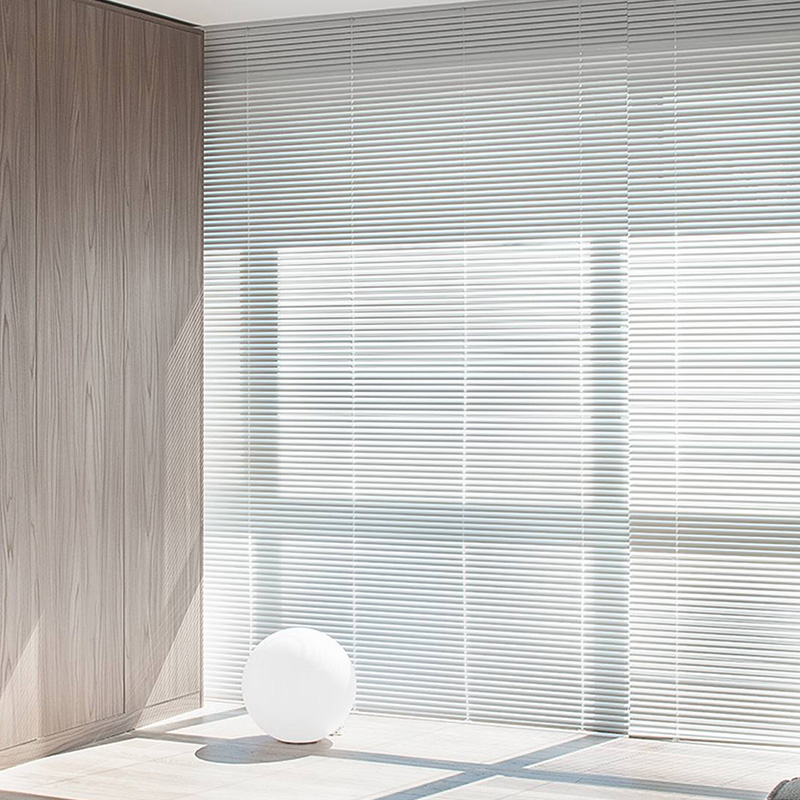
Understanding Specifications for UV Protection Blinds

Understanding Specifications for UV Protection Blinds

Specifications for UV  protection  blinds encompass various parameters  that affect performance. Key specifications  to consider  include thickness, light transmission, and insulation properties.

Thickness: The thickness  of  the material affects its durability and UV blocking capability. Thicker materials often provide  better insulation and UV  protection, but they may  also be  heavier and require different installation  considerations.

Light Transmission: This refers to  the amount of  natural light that passes through the blinds. Different applications may require varying levels of light filtration. For example, offices may benefit from blinds that allow some natural light while reducing glare, whereas a home theater may require darker options.

Insulation Properties: The ability of the  blinds to insulate against heat and cold can  lead to significant  energy savings. Look for blinds with thermal  lining or those rated for energy efficiency. The JD50J Silent Electric Roller Blind is an excellent choice for energy-efficient insulation.

Understanding these specifications  will help you assess whether the blinds meet your project requirements, ensuring that you choose a product that performs effectively in your specific environment.
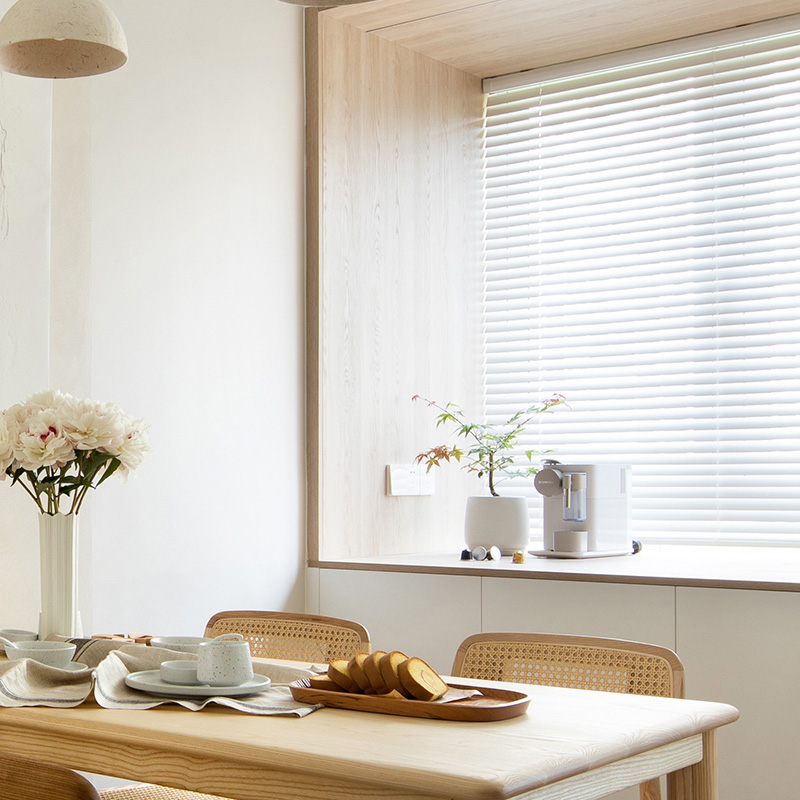
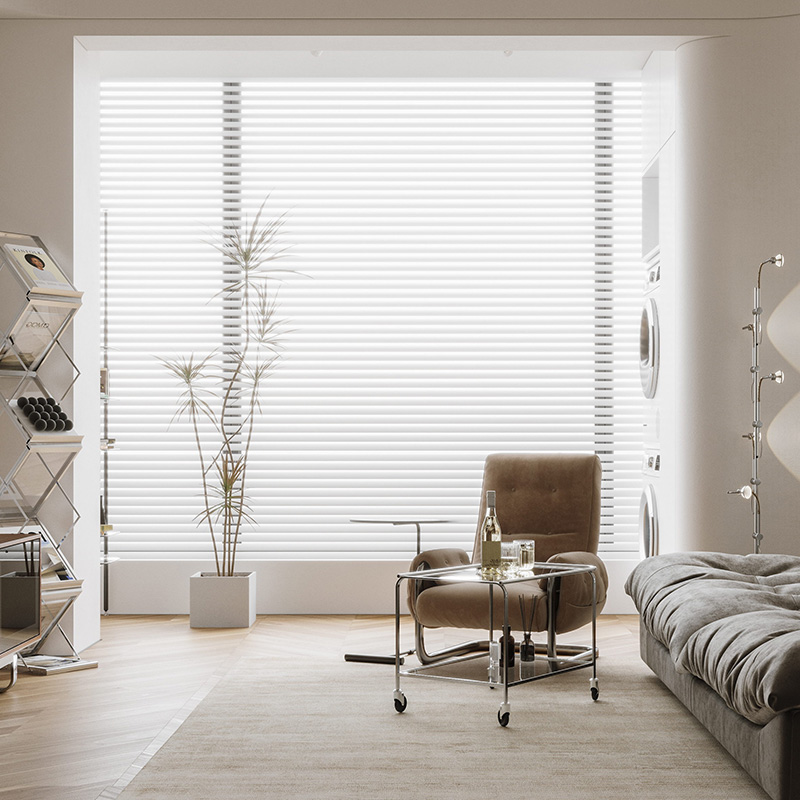
Cost Factors to Consider When Purchasing UV Protection Blinds

Cost Factors to Consider When Purchasing UV Protection Blinds

The cost of UV protection blinds can vary widely based on several factors. Key considerations include  material quality, size, customization options, and brand reputation.

Material Quality: High-quality materials typically come at a higher price but offer  better  durability and  UV protection. Investing in superior materials can lead to long-term  savings through reduced replacement costs.

Size: Larger blinds or those requiring custom dimensions will generally be more expensive. Measure your  windows accurately to avoid unnecessary costs.

Customization Options:  Custom colors, patterns, or features such as motorization can increase costs. Determine your budget and identify which custom  features are essential for your application.

Brand Reputation: Established manufacturers with a  proven  track record, like Wintom,  may charge  more for their products  due to their reliability and quality assurance processes. However,  this can also reduce risks associated with product failure.

Understanding these cost factors  will enable you to create a  budget  that aligns with your project goals  while ensuring you do not compromise  on  quality.

Installation Guidance for UV Protection Blinds in Various Settings

Installation Guidance for UV Protection Blinds in Various Settings

Proper installation  of UV protection blinds  is critical to their performance. The installation process can vary based on the type of blinds  and the setting in which they are used. Here are general guidelines for  different environments:

Commercial Spaces: In offices or commercial  buildings, consider professional installation to ensure that blinds are mounted securely and operate smoothly.  Pay attention  to the  mounting type—inside or outside the window frame—as this will impact  aesthetics  and  functionality.

Residential Settings: For homes, DIY installation may  be  feasible, especially for standard-sized windows. Ensure you follow the manufacturer's  guidelines for measurements and installation techniques. </p>

Special Environments: In spaces with high humidity or extreme temperatures, such as kitchens or laboratories, consult  manufacturer specifications for any special installation  requirements that  may apply to the materials used.

Regardless of the  setting, always ensure that the blinds are  tested after installation to confirm their operation  and UV protection effectiveness.

Common Problems with UV Protection Blinds and Effective Solutions

While UV protection blinds are designed for  durability, users may  encounter issues over time. Here are some common  problems and their solutions:

Fading or Discoloration: Over time, even UV-resistant materials may  fade  due to prolonged  exposure to sunlight. To  mitigate this, consider  rotating or  adjusting blinds to minimize direct exposure to  intense sunlight.

Operational Issues: If blinds become difficult to raise or lower, check for obstructions or misalignment. Regular maintenance, such as cleaning the tracks and mechanisms, can prevent  these issues.

Wear and Tear: Fraying or tearing can occur, especially with lower-quality materials. Regular inspections can help identify wear early. If damage is found, consult the manufacturer for repair or replacement options.

Improper Fit:  If blinds do not fit correctly, this can compromise their  effectiveness. Ensure accurate measurements were taken during the purchasing process and consult your supplier for solutions if issues arise.

By being aware of these potential problems and their solutions, you can  maintain your UV protection  blinds effectively,  ensuring they  continue to perform as intended.

In  summary, selecting and  installing UV protection blinds involves careful consideration of materials, specifications, and installation practices. By understanding the key factors and potential challenges, you can  make informed decisions that enhance the comfort and efficiency of your space.

Choosing the Right UV Protection Blinds for Your Projects

When selecting UV protection blinds, consider the specific  needs of your  project.  The primary factors include the  material type, UV protection level, aesthetic  requirements,  and operational  functionality.  Materials such  as polyester, vinyl, and specially coated fabrics  offer varying degrees of  UV resistance and durability.  For instance, options like the LM50 Top Track Electric Roman Blind can provide effective UV protection while enhancing the aesthetic of your space.

Polyester blinds are  popular due to their lightweight nature and resistance to fading. Vinyl options are also effective,  particularly in environments where moisture is a concern, such as bathrooms or kitchens. If aesthetic appeal is essential, consider fabric blinds that can be customized in terms of color and texture to match your interior design.

Additionally,  evaluate the level of UV  protection  required. Look for blinds that  specify a UV blocking percentage—higher percentages indicate better protection. For example, blinds that block 99% of UV rays are ideal for areas  with direct sunlight exposure. Always ensure that your choice aligns with the operational needs of the space, such as ease  of use or motorization options for larger installations.

Frequently Asked Questions

What level of UV protection do your blinds provide?

Our UV protection blinds block up to 95% of harmful UVA and UVB rays, reducing fading and protecting interiors while maintaining natural light.
Yes. Designed for homes, our blinds offer UV shielding, glare reduction, and aesthetic options suitable for bedrooms, living rooms, and sunrooms.
Yes. With 29+ years in intelligent window systems, we offer motorized and smart control options compatible with common home automation setups.
Made from high-quality materials and engineered for longevity, the blinds resist fading and are easy to clean with light dusting or gentle wiping.
Yes. We provide custom sizes, fabric colors, and opacity levels to meet specific light control and design requirements for any project.

Get Your Custom Project Solution Fast

Commercial Shading / Fire Shutter / Smart Building Projects for Hotel, Office, Airport
Your Name
Email
Mobile
Project Type
Short Message
0/1000

Related product categories