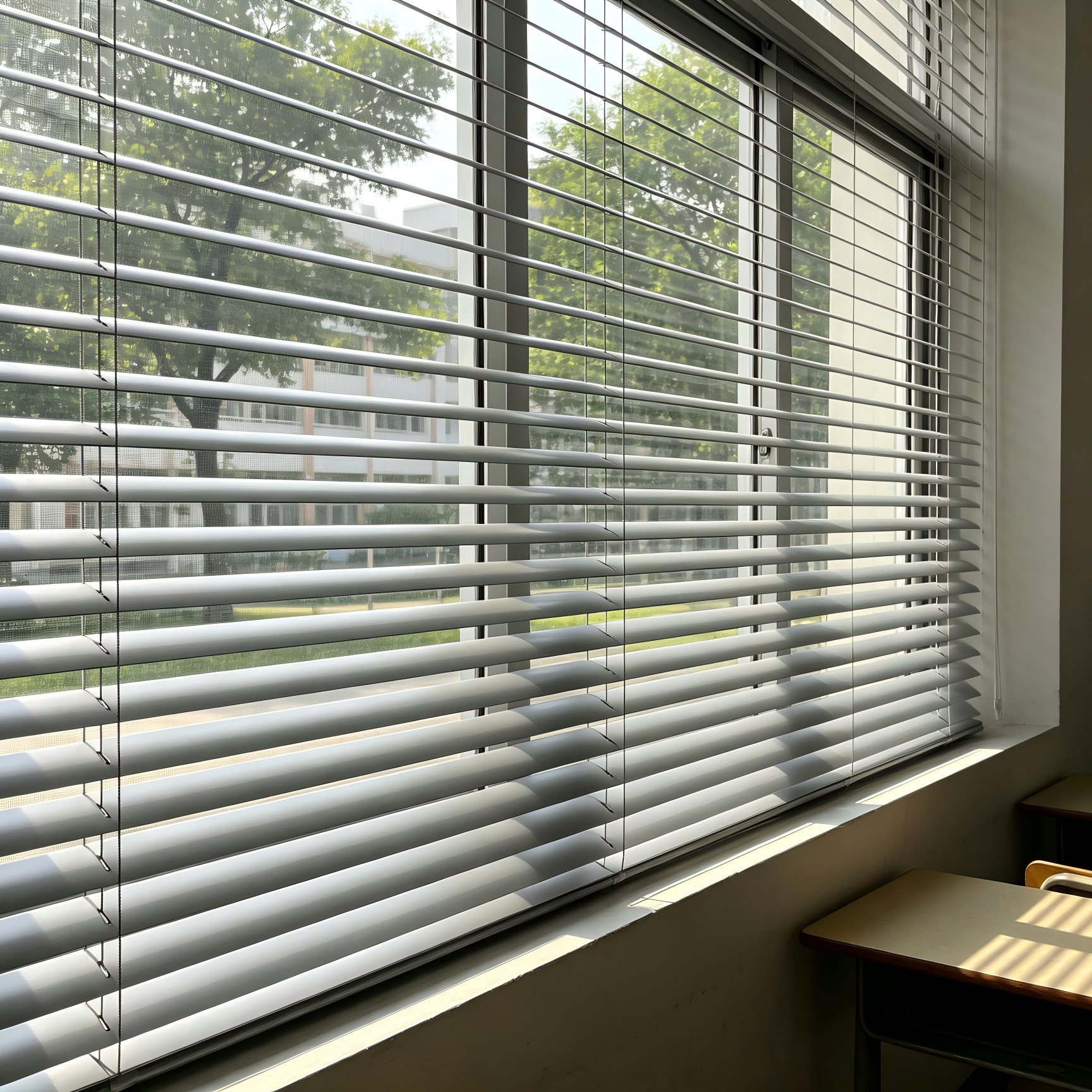
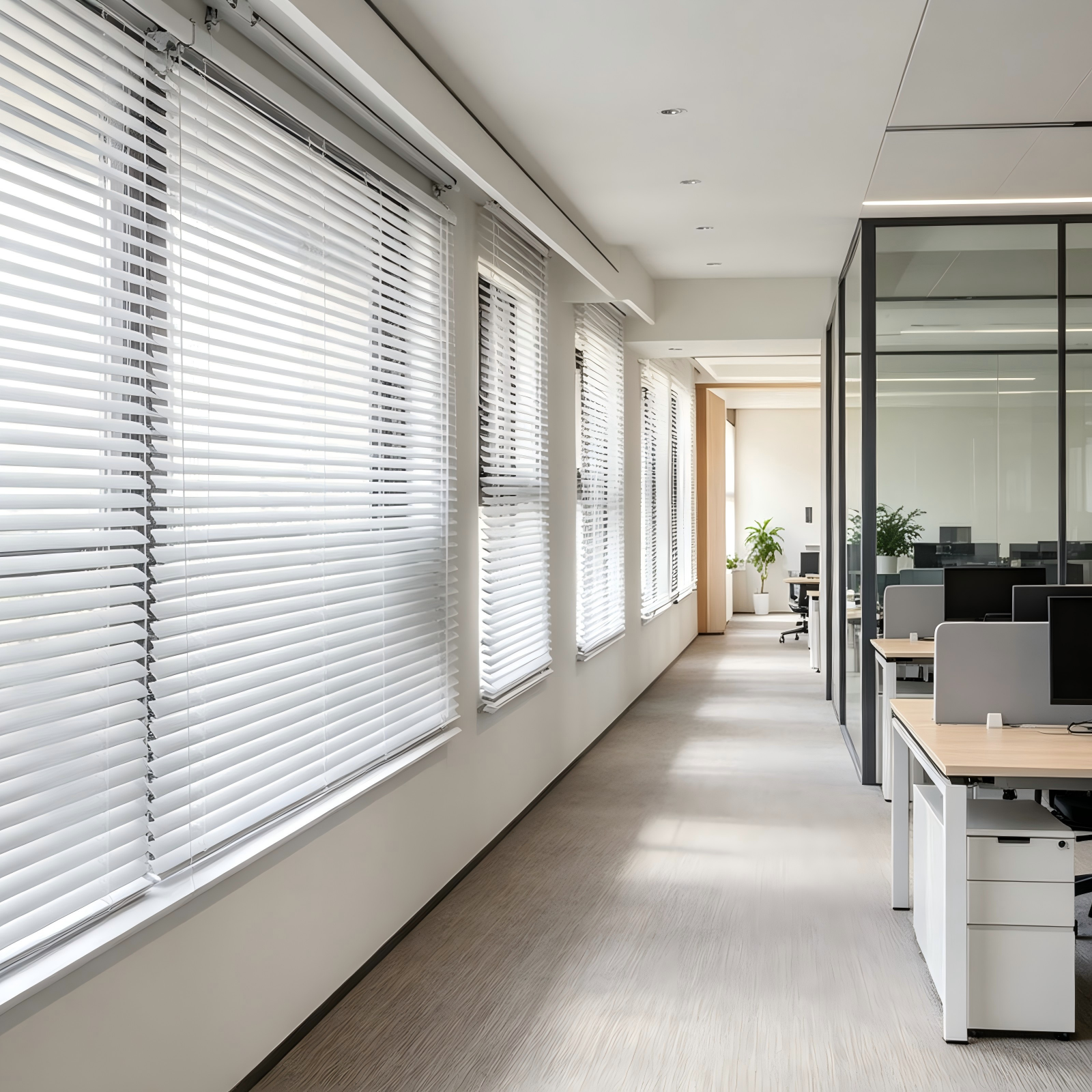
Sun control blinds are essential components in both commercial and residential spaces, offering an effective solution to manage sunlight, enhance energy efficiency, and improve privacy. As a purchasing manager or distributor, understanding the specifications, features, and common issues surrounding these products is crucial for making informed decisions. This article will provide insights into the key considerations when selecting sun control blinds, explore their specifications and features, outline a sourcing approach, discuss cost factors, and address common problems along with effective solutions.
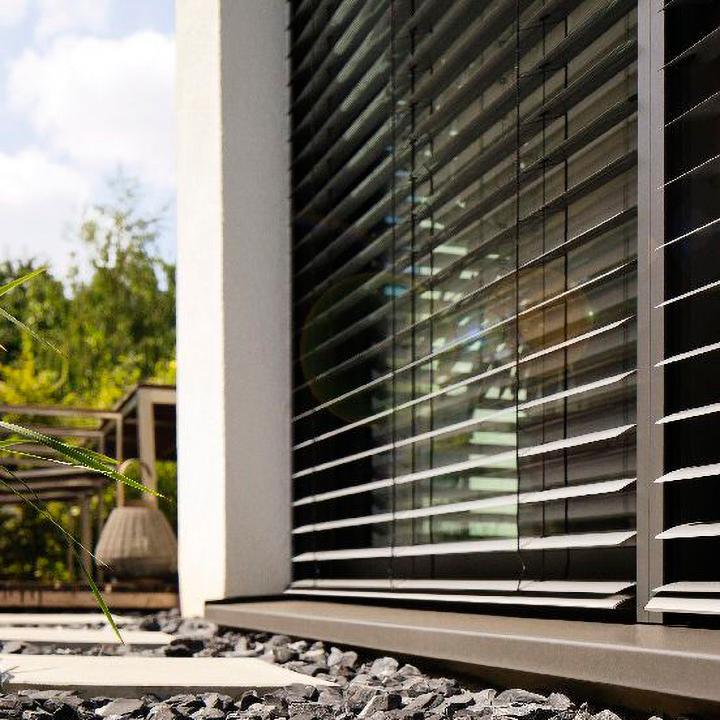
Exploring Specifications and Features of Sun Control Blinds
Understanding the specifications of sun control blinds is crucial for ensuring they meet your operational requirements. Key specifications include:
Dimensions: The size of the blinds should fit the window frames appropriately. It's advisable to provide precise measurements to the manufacturer during the ordering process to avoid fitting issues.
Material Types: The choice of materials can affect thermal insulation, durability, and maintenance. For instance, synthetic materials may offer better UV resistance, while natural materials like wood can provide a classic aesthetic.
Opacity Levels: Blinds come in various opacity levels, from sheer to blackout. Choosing the right opacity is critical, depending on the desired light control and privacy requirements.
Operating Mechanism: Consider whether the blinds will be manually operated or motorized. Motorized options can integrate with smart home systems and provide convenience for large installations.
Energy Efficiency Ratings: Some blinds are designed with thermal properties that help reduce energy consumption. Understanding these ratings can help you choose products that contribute to sustainability goals.
When evaluating these specifications, always consider the application context; what works for a corporate office may not be suitable for a residential setting.