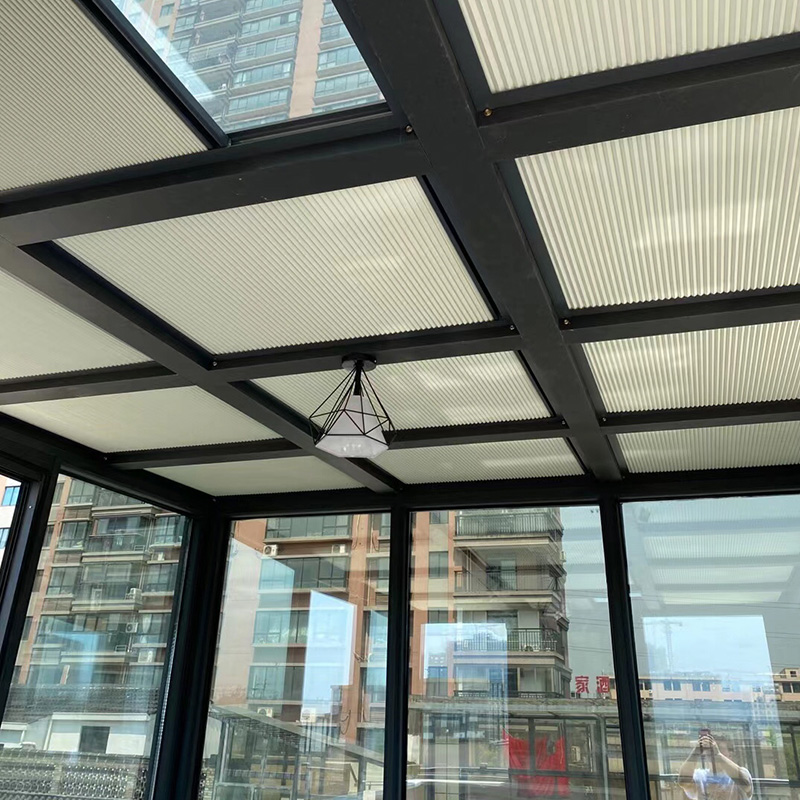
Choosing Roof Window Blinds for Commercial Use

roof window blinds

Choosing the right  roof window  blinds  is  crucial for maximizing  natural light while maintaining privacy, energy efficiency, and aesthetic  appeal in any space. As a B2B buyer, you may have concerns regarding product specifications, cost implications,  and the reliability of suppliers. This article will guide you  through  the essential considerations for  selecting  roof  window blinds, the factors that  influence pricing, supplier sourcing  strategies,  common  issues you  might encounter, and their applications  across  different settings.
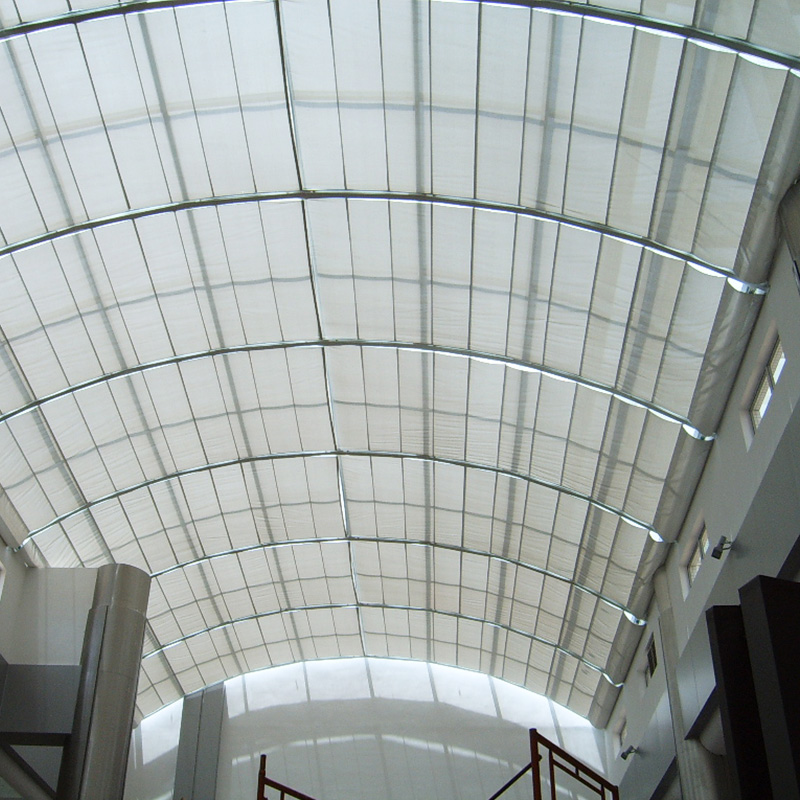
 
Key Factors Affecting the Cost of Roof Window Blinds in Bulk Orders

Key Factors Affecting the Cost of Roof Window Blinds in Bulk Orders

Several factors can influence the cost of roof window blinds when ordering  in  bulk.  One of the primary factors is the choice of materials. For instance, fabric blinds may have a lower upfront cost compared to  wooden blinds, which  can increase overall project expenses due  to their sourcing and processing.

The complexity  of the design  and customization requirements also plays a significant role in pricing. More intricate designs or custom sizes will typically require  more labor and materials, driving up costs. Therefore, it's  advisable to communicate  your  design  requirements clearly to  avoid unexpected price increases.

Additionally, order quantity  matters. Suppliers often have Minimum Order Quantities (MOQs), and larger orders may qualify  for bulk discounts. Understanding the MOQ will help you plan your purchasing  strategy effectively.

Lastly, logistics and delivery costs  can also affect the  final price. Considerations such as shipping distance, packaging requirements, and import  duties should be factored into the overall budget.
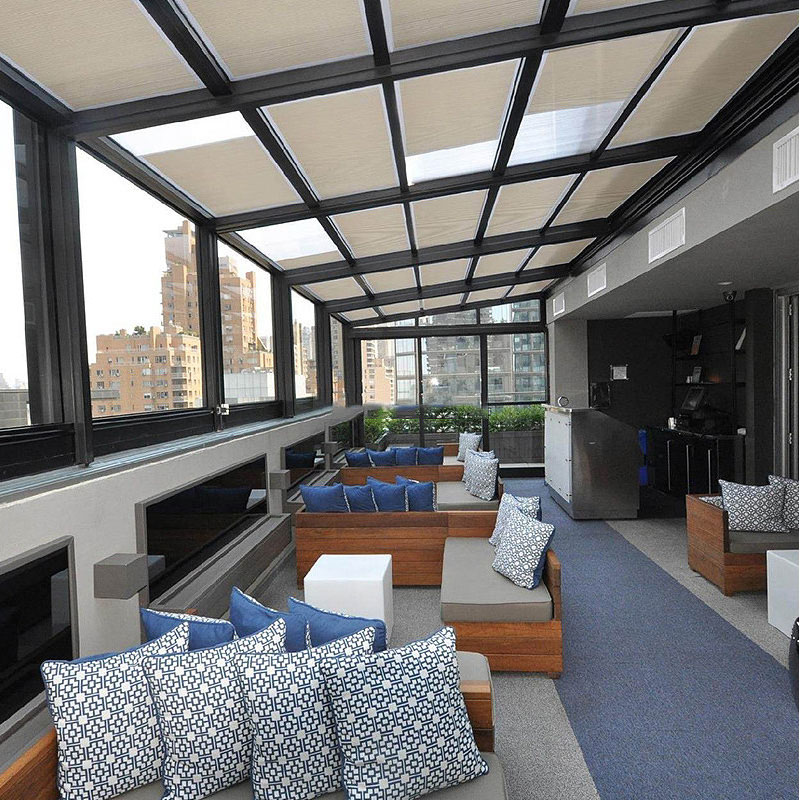
Where to Find Reliable Suppliers for Roof Window Blinds

Where to Find Reliable Suppliers for Roof Window Blinds

Finding reliable suppliers for roof window blinds involves a few strategic approaches. Start by researching manufacturers  known for  their  expertise in window treatment  solutions. Companies like Guangdong Chuangming Shading Engineering Technology Co., Ltd, which  has over 29 years of experience in this field, are good candidates as they likely have  established quality control  processes and production capabilities.

Another  effective strategy is to  attend industry  trade shows and  exhibitions. These events provide opportunities to meet suppliers, see their products firsthand, and discuss your specific needs. Networking within industry circles can also yield recommendations for trustworthy suppliers.

Online  platforms and B2B marketplaces are  additional resources for finding suppliers. Look for companies with strong reviews and a history of  successful transactions. Requesting samples  can also help you evaluate the quality and suitability of the products before placing a bulk  order.

It’s  crucial to assess the supplier's  certifications and quality  assurance practices to ensure that they meet your standards for production and  delivery.

Common Problems with Roof Window Blinds and Effective Solutions

Common Problems with Roof Window Blinds and Effective Solutions

Despite their  advantages,  roof window blinds  can encounter various common issues. One frequent  problem is inadequate fitting, which can result  in gaps that allow light leakage or drafts. To mitigate this, ensure  that precise measurements are taken before production and that the blinds are tested for fit before mass production.

Another issue  can be the  wear and tear of materials, especially in  high sunlight areas. Selecting high-quality, UV-resistant materials can help prolong the  lifespan of  the  blinds. Regular maintenance, such as cleaning and  inspecting for damage,  should also be established as part of  the  usage protocol.

Additionally, operational failures can occur with  motorized blinds.  Regularly checking the wiring and the mechanism can prevent unexpected  failures. Establishing a warranty or service agreement with the supplier can also provide  peace of mind and ongoing support.

Understanding the Applications of Roof Window Blinds in Various Settings

Roof  window blinds  serve multiple applications across various settings, including residential, commercial, and industrial environments.  In residential  applications,  they not only enhance aesthetic  appeal but also contribute to energy efficiency and create comfortable living spaces by regulating natural light.

In commercial settings, such as offices or showrooms, roof window  blinds can improve productivity by controlling glare on screens and providing a pleasant ambiance. Blinds that offer programmable features can also be set to adjust automatically according to  the time of day, optimizing energy use further.

Industrial applications may involve specialized requirements, such as  blinds that can endure harsh environments or  are resistant to chemicals. Understanding the  specific  needs of different environments  will help ensure  you  choose the  appropriate  type of  roof window blinds.

when selecting roof window blinds, it's crucial to consider various factors, including material, dimensions,  functionality, and energy efficiency. By understanding the cost implications,  sourcing reliable suppliers, troubleshooting common issues, and recognizing the applications in diverse settings, you can make informed purchasing decisions that meet your project requirements effectively.

What to Consider When Choosing Roof Window Blinds for Projects

When selecting roof  window blinds,  it’s important to  consider several factors to ensure  they meet your project requirements.  First, assess the material  options—common choices include fabric, aluminum, and wood. Each material has its own benefits; for example, fabric  blinds can offer excellent insulation  and light filtration, while aluminum is renowned for durability and ease of maintenance. For those looking for a range of options, Curtains & Drapery can also complement your choices.

Next, evaluate the dimensions and design of  the blinds. They should not only fit the window size accurately but also harmonize with the overall interior design of the space. Customization options are often available, allowing you to specify dimensions that cater to unique architectural features.

Another critical  consideration is the operational mechanism.  Roof window blinds can be manual or motorized. Motorized options can enhance  convenience,  especially in hard-to-reach  windows, but may require additional investments in wiring and control  systems.  Be sure to specify  your preference early in the discussion with suppliers. If you opt for motorized solutions, Motorized Curtain Tracks could be a valuable addition.

Lastly, consider  energy  efficiency. The right blinds can help regulate temperature control, thereby  reducing heating and cooling costs. Look for blinds that offer energy-efficient features like thermal insulation or reflective surfaces.

Frequently Asked Questions

What types of roof window blinds do you offer?

We supply manual, cordless, motorized, blackout and light-filtering roof window blinds tailored for various skylight shapes and sizes, backed by 29+ years of R&D and production experience.
Our blinds are designed for broad compatibility with standard skylight profiles. If you provide measurements and model details, we confirm fit or recommend a customized solution.
Yes. We offer motorized blinds with remote control and smart automation options for integration with home systems, plus professional technical support from our engineering team.
We use durable, UV-resistant fabrics including blackout, thermal, and light-filtering options, with aluminum and corrosion-resistant components suitable for roof installations.
We provide product warranty and technical support through our experienced team. Warranty terms vary by product; contact us with model details for specific coverage and service options.

Get Your Custom Project Solution Fast

Commercial Shading / Fire Shutter / Smart Building Projects for Hotel, Office, Airport
Your Name
Email
Mobile
Project Type
Short Message
0/1000

Related product categories