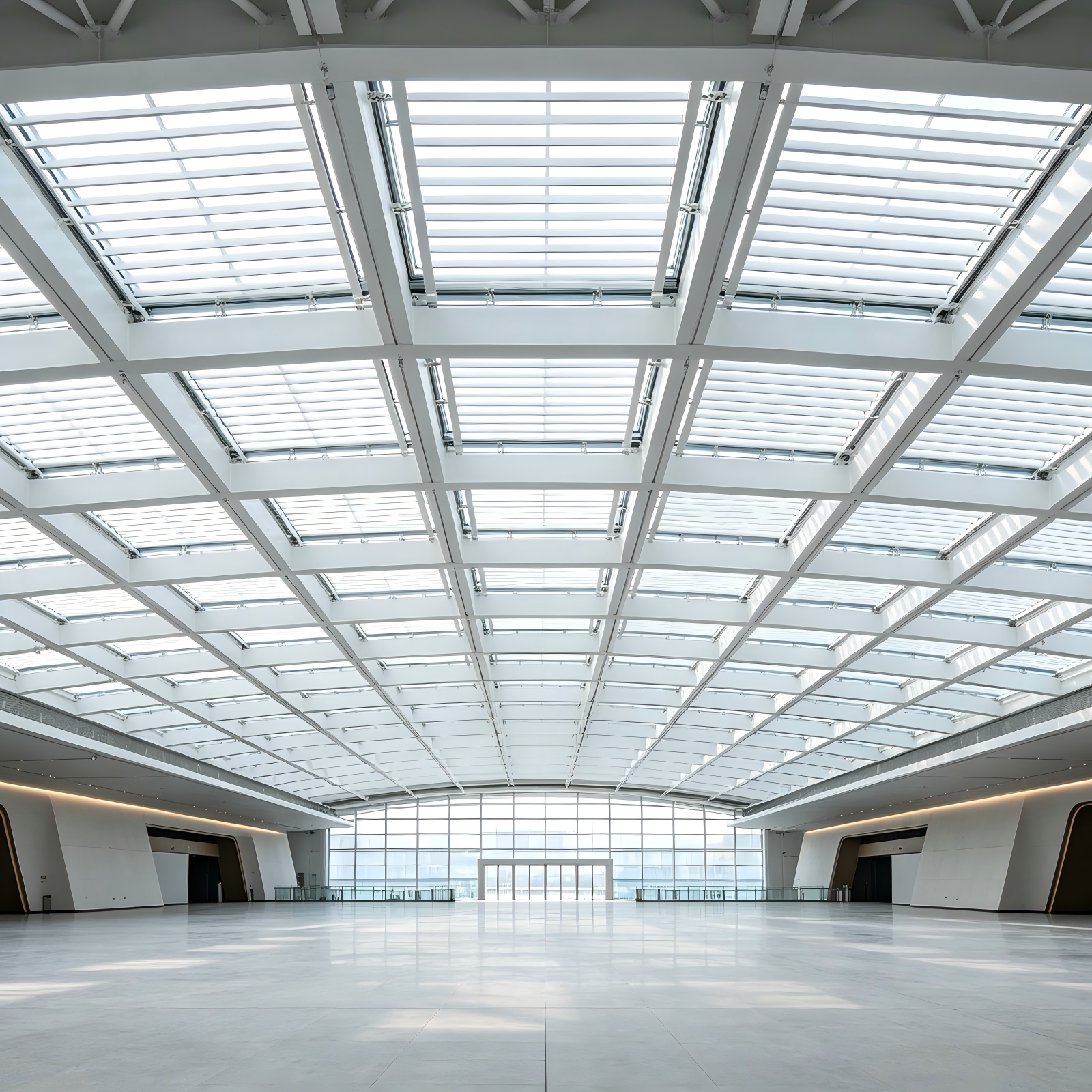
Project Shading Solutions for Bulk Orders

project shading solutions

When considering  project shading solutions, businesses seek effective ways to enhance energy efficiency, improve aesthetics, and  comply with building regulations. Project shading solutions are specialized  products designed to  regulate the amount of  sunlight entering a space, which can reduce glare and heat gain. Buyers often  have  concerns about  product specifications, sourcing  reliable  suppliers, and understanding the best practices for  implementation.  This article  will  guide  you through  the essential considerations for selecting project shading solutions,  including sourcing, best  practices, comparisons,  and  industry applications.
How to Source Reliable Suppliers for Project Shading Solutions

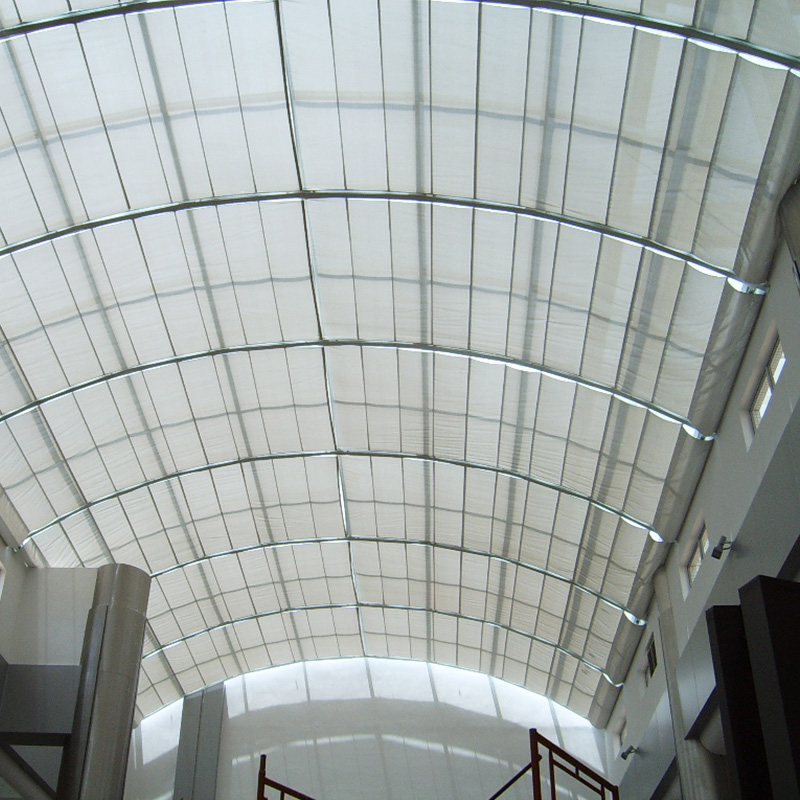
How to Source Reliable Suppliers for Project Shading Solutions

Sourcing reliable suppliers for  project shading solutions is fundamental for ensuring quality and timely delivery. Here are key steps to find the right partners:

Research and Reviews: Begin  by conducting thorough research on potential suppliers. Look for online reviews, client  testimonials, and case studies that demonstrate  their capabilities and reliability.

Industry Experience: Suppliers with  extensive  industry experience, like Wintom, which has over 29 years of expertise in intelligent window decoration,  often  have a  deeper understanding  of market needs and challenges. This experience can be invaluable  in navigating complex projects.

Certifications and Compliance:  Ensure that the suppliers hold relevant certifications that demonstrate  their commitment to quality and industry standards. This can include ISO certifications, safety compliance, and environmental sustainability certifications.

Communication and Responsiveness: Evaluate the supplier's communication style and responsiveness. A supplier that is easy to communicate with can help resolve issues quickly and provide necessary support throughout the ordering process.

Sample  Approval: Before committing  to a bulk order, request  samples  of the shading solutions. This allows you to assess the quality,  functionality, and aesthetics of the products  firsthand.
Best Practices for Project Shading Solutions

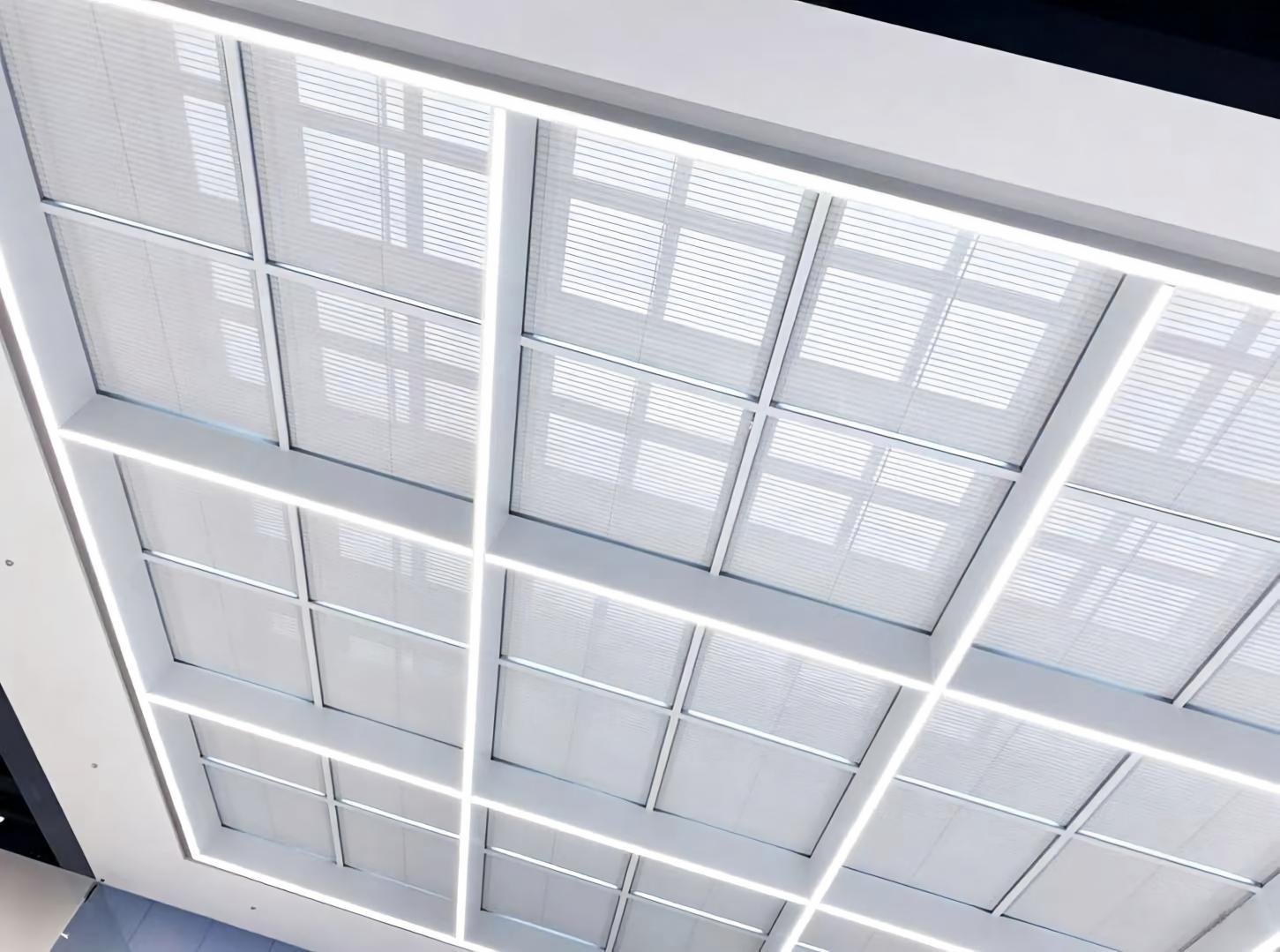
Best Practices for Project Shading Solutions

Adopting  best practices when implementing project  shading solutions can enhance their effectiveness and longevity:

Conduct a Site Analysis:  Before installation, perform a thorough analysis  of  the installation site. Consider factors such as  sun exposure, building  orientation, and local climate conditions.  This information is critical in selecting the appropriate shading solutions.

Plan for Maintenance: Establish a  maintenance plan to ensure the longevity of the  shading systems. Regular inspections and cleaning can prevent wear and tear, maintain appearance, and ensure optimal performance.

Integrate with  Building Design: Work closely with architects and designers to ensure that the shading solutions complement the overall building aesthetics.  A well-integrated shading  system not only enhances functionality but  also adds to  the visual appeal of the structure.

Educate End-Users: Provide training for the end-users on how to  operate and  maintain the shading systems effectively. This can  include guidance on adjusting settings for  optimal performance throughout different seasons.

Comparing Different Project Shading Solutions for Your Projects

Comparing Different Project Shading Solutions for Your Projects

When comparing project shading solutions, it’s essential to evaluate various options based on  specific criteria:

Performance: Assess how different solutions perform under varying climatic conditions. For instance, some shading systems  might excel in reducing heat gain in hotter climates,  while others may offer better glare reduction. The JD50J Silent Electric Roller Blind is a great option for both performance and style.

Energy Efficiency:  Consider options with energy-efficient features that can help lower heating and cooling costs. Look for shading systems that are designed to reflect  sunlight or provide insulation.

Cost: Analyze the total cost of ownership,  which includes not just  the initial purchase price but also installation, maintenance,  and energy savings  over time. Sometimes, a higher upfront investment can lead  to lower long-term costs.

Aesthetic Flexibility: Determine how well  the shading solutions can be customized to  fit the design vision  of your project.  Options that offer a wide range  of colors, textures, and styles can help achieve the desired look while maintaining functionality.

Installation Requirements: Evaluate the ease  of installation for each solution. Some systems may  require specialized labor, which can impact  project timelines  and budgets.

Applications of Project Shading Solutions in Various Industries

Project shading solutions find  applications  across numerous industries, enhancing energy  efficiency and comfort in various settings:

Commercial Buildings: In  office environments, shading solutions can reduce  glare on computer screens, improve employee comfort, and enhance energy efficiency, leading to  significant cost savings.

Residential Properties: Homeowners can benefit from shading systems that protect interiors from UV damage, maintain temperature control, and provide privacy while allowing natural light.

Healthcare Facilities: In healthcare settings,  proper  shading solutions can create a comfortable environment for patients  and  staff,  reducing glare and helping maintain a calming atmosphere.

Educational Institutions: Schools and universities can utilize shading systems to improve learning  environments by regulating temperature and light levels,  creating  more conducive  spaces for students and teachers.

Retail Spaces: Shading solutions can enhance the shopping experience by creating a comfortable atmosphere for customers.  They can also protect merchandise from sun damage while maintaining visibility.

By  understanding project shading solutions and the nuances of sourcing and implementation, B2B  buyers can make informed decisions that meet their project needs effectively.

What to Consider When Choosing Project Shading Solutions for Bulk Orders

When  selecting  project shading solutions for bulk orders, several critical factors should be considered to ensure optimal performance and cost-effectiveness.

Material Selection: Various materials are used in shading systems, including fabric, metal, and composite materials. Each material offers different  levels of durability, insulation, and  aesthetic appeal. For example, fabrics can provide shading while allowing light diffusion,  while metal options may offer greater durability and resistance to environmental factors. For high-quality fabric options, consider the FC25 Electric Honeycomb Blind as a reliable choice.

Specifications and Dimensions: Understanding the specific dimensions required for  your project is crucial. For instance, the height and width of the shading system will  affect installation and functionality. It's essential to measure the installation area  accurately  and consider any obstructions that may influence the shading's effectiveness.

Customization Needs: Many  projects require  tailored solutions to meet unique design specifications or performance criteria. Discuss your needs with  suppliers to explore customization options, such as different colors, patterns, or  sizes that  align with your project requirements. You might find options like the BY35 Electric Venetian Blinds particularly useful for specific design needs.

Quality Control: Evaluate the supplier's quality control processes to ensure that the products meet industry standards  and your specifications. This includes inspecting for defects, assessing durability, and ensuring that any certifications are up to date.

Lead Time  and Minimum Order Quantity (MOQ): Suppliers often have different lead times  and MOQs. Understanding these factors will help you  plan  your project timeline and budget effectively.

Frequently Asked Questions

What is included in Wintom project shading solutions?

Our project shading solutions include customized intelligent window coverings, automated control systems, mounting hardware, and on-site technical support from design to installation.
We serve commercial, office, hospitality, healthcare, educational, and residential projects, offering scalable shading systems tailored to each building’s requirements.
Yes. Our intelligent shading systems support integration with common building automation and smart control protocols for synchronized lighting, HVAC, and energy management.
Options include fabric and material choices, motor types, control interfaces, sizes, color finishes, and programming for automated schedules and scenes.
We offer technical support, maintenance services, spare parts supply, and warranty coverage backed by our 29+ years of R&D and production experience. Specific terms are available per project.

Get Your Custom Project Solution Fast

Commercial Shading / Fire Shutter / Smart Building Projects for Hotel, Office, Airport
Your Name
Email
Mobile
Project Type
Short Message
0/1000

Related product categories