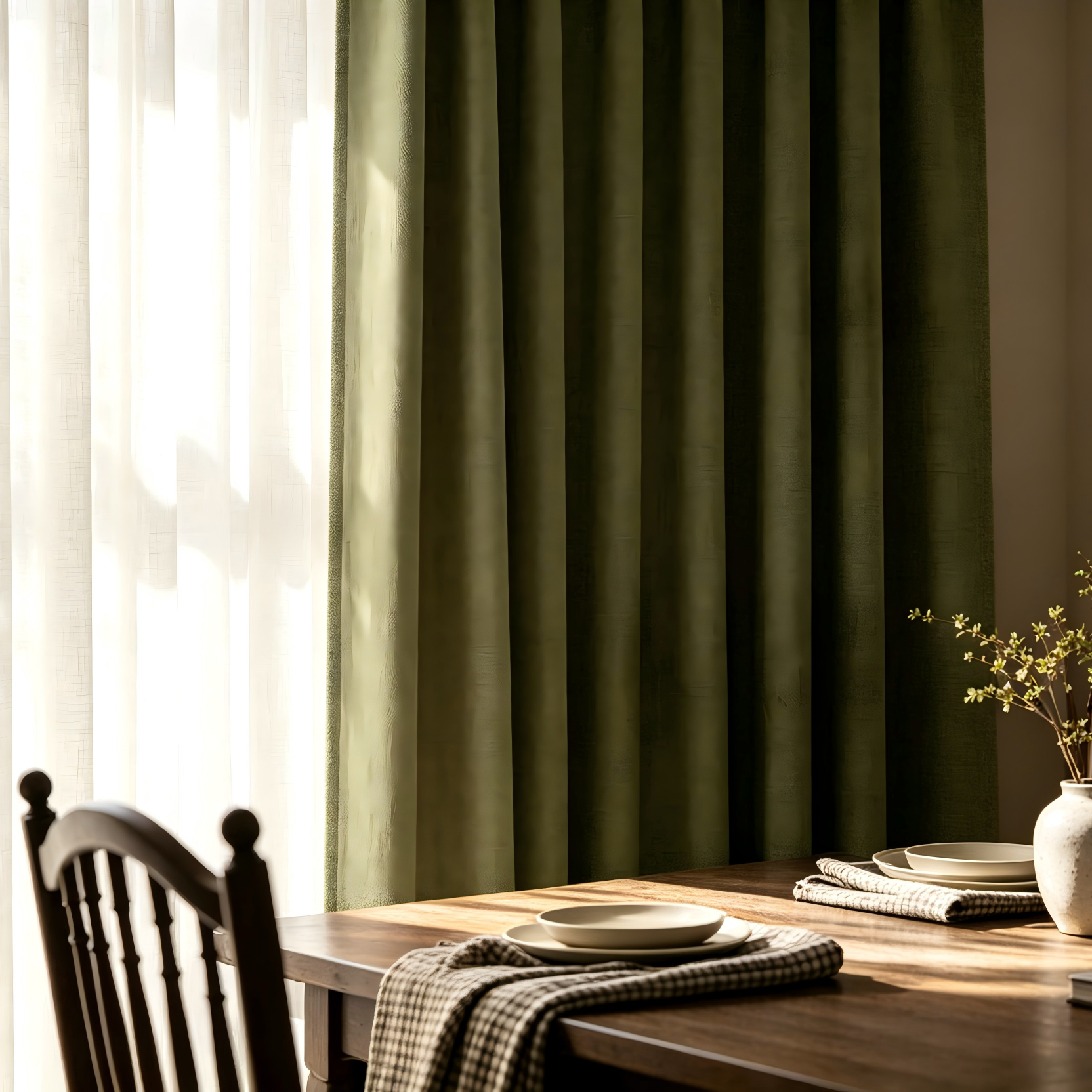
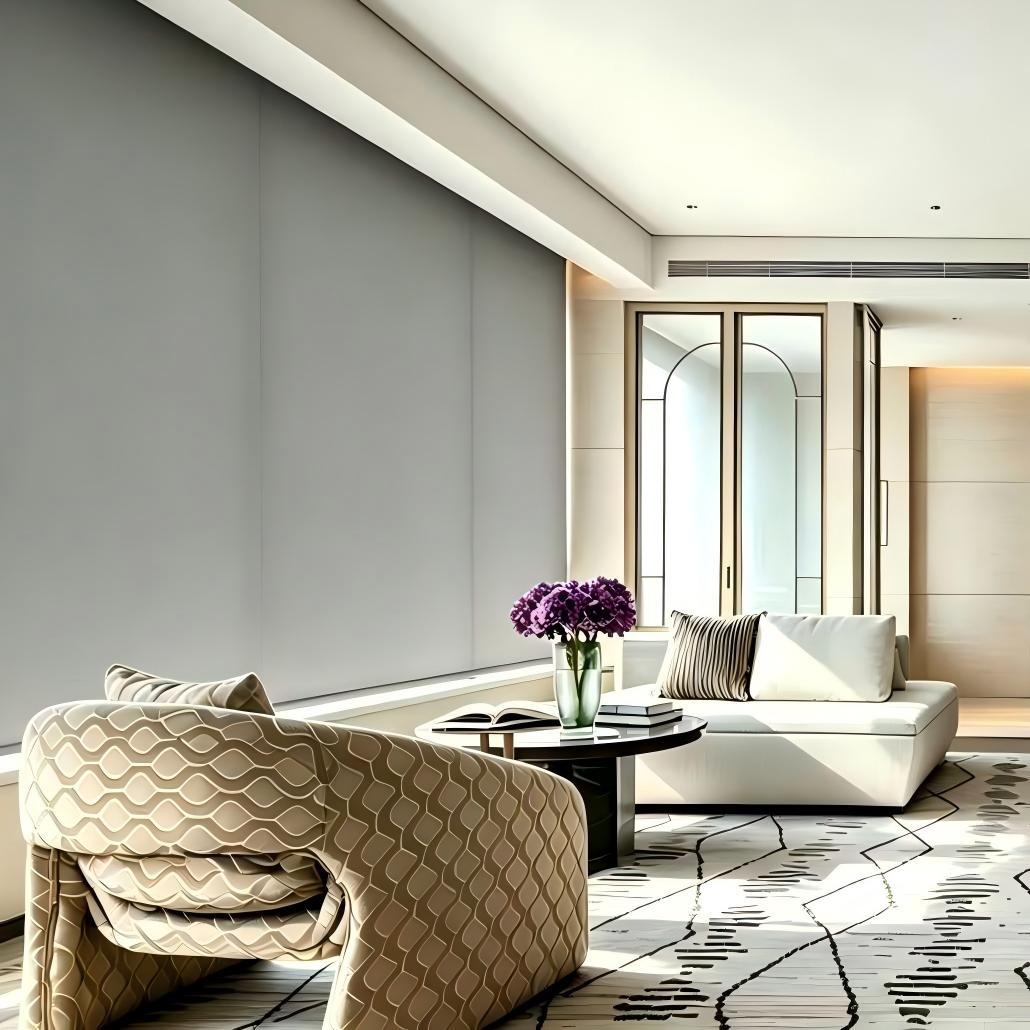
Light filtering shades are an essential solution in both residential and commercial settings, providing a balance of privacy and natural light. As purchasing managers and project planners, understanding the intricacies of light filtering shades is crucial for making informed decisions. This article will address key considerations, specifications, cost evaluations, installation guidance, and application suitability to help you select the best products for your needs.
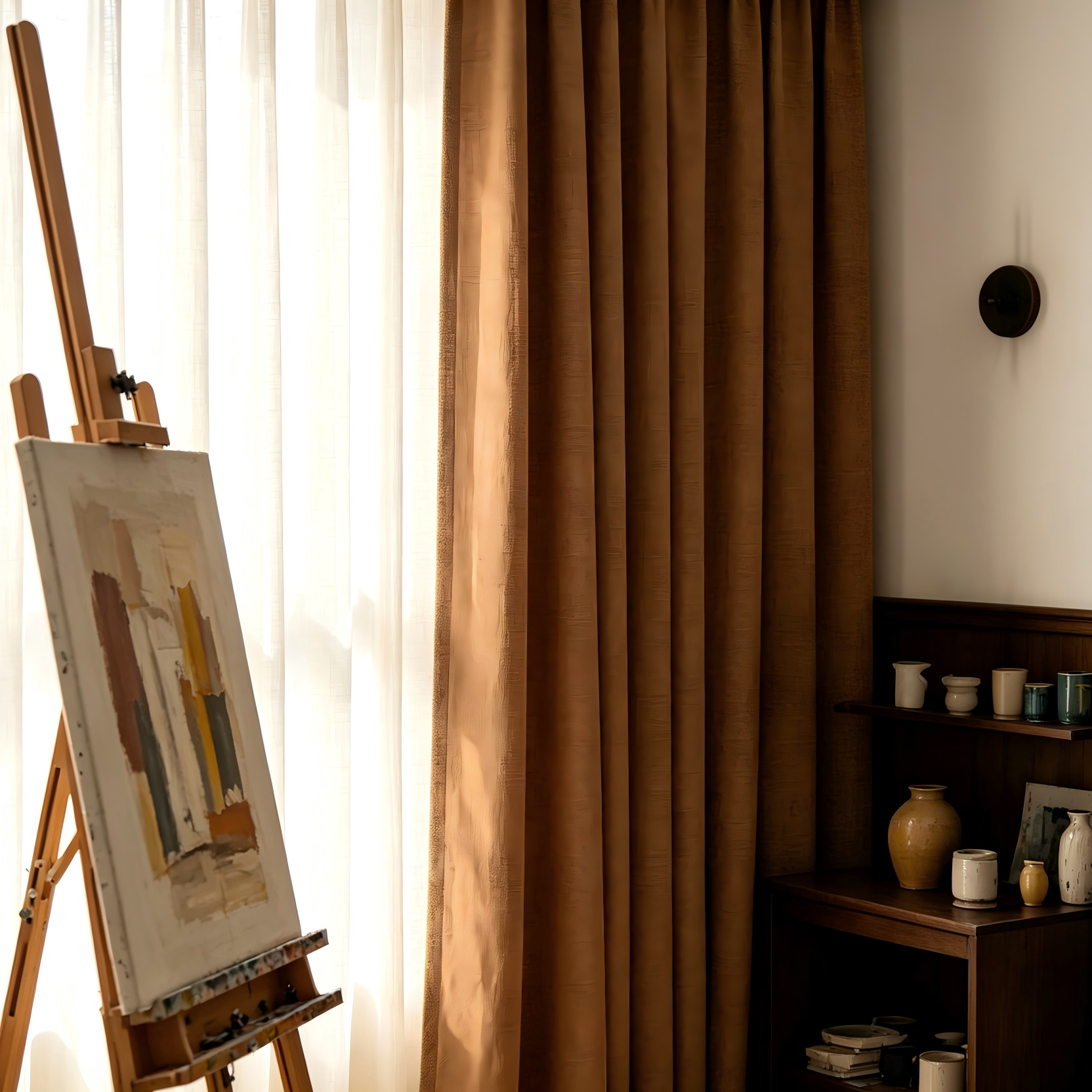
Specifications and Quality Insights
Understanding the specifications of light filtering shades is vital for ensuring quality and performance. Key specifications to evaluate include:
Dimensions: Accurate measurements are crucial, as shades that do not fit properly can compromise their effectiveness. Always confirm dimensions against installation sites.
Fabric Weight: The weight of the fabric impacts durability and how well the shades hang. Heavier fabrics often provide better light control but may require sturdier mounting systems.
UV Protection: Quality light filtering shades should offer UV protection to safeguard furniture and flooring from sun damage. Check if the shades have a UV rating or certification.
Fire Resistance: In commercial settings, fire safety is paramount. Ensure that the shades comply with relevant fire safety standards that apply to the project's location.
Certifications: Look for certifications that validate the quality and safety of the shades, such as Greenguard or OEKO-TEX, which indicate low chemical emissions and safe manufacturing processes.
These specifications not only ensure compliance with industry standards but also enhance the longevity and performance of the shades.