
Wholesale Options for High-Quality Sunscreen Shades

sunscreen shades

Sunscreen shades  are  essential products designed to reduce heat and  glare  while  providing UV protection in various  environments. For B2B buyers such as  purchasing  managers, engineers,  and product managers, understanding the nuances of  sunscreen  shades is crucial for making informed  decisions. This  article will address  key considerations such  as  wholesale  purchasing options, installation challenges, cost factors, and the diverse applications of sunscreen  shades  in industrial  settings.
A Buyeru2019s Guide

A Buyeru2019s Guide

When purchasing sunscreen shades, a comprehensive understanding of  product specifications, materials, and application suitability is vital. Key factors to consider include:

Material Selection:  Sunscreen shades can be made  from various materials, such as polyester, PVC, or fiberglass. Each material has distinct properties affecting durability, UV resistance, and aesthetic appeal.  For instance, polyester blends can  offer excellent UV protection while remaining lightweight and  easy to maintain.

Dimensions and Customization: Buyers should specify  dimensions accurately based on the intended installation area. Custom sizes may be required for unique window shapes or sizes,  which reputable manufacturers should readily accommodate.

Installation Requirements: Understanding  the installation process is crucial.  Sunscreen shades can be mounted using various methods, such as brackets or clips. Ensure that the supplier  provides installation instructions  and necessary hardware  to simplify the process.

Performance Specifications: Essential performance metrics such as solar heat gain coefficient  (SHGC) and  visible light transmission (VLT) should be evaluated based on the project's  needs. These specifications help assess  the shades' effectiveness in blocking  UV rays and minimizing heat gain.

Sample Approval: Before committing to a large order, requesting samples  for evaluation is advisable. This step allows buyers to  assess the material quality, color accuracy, and overall appearance in the actual installation environment.
Common Installation Problems with Sunscreen Shades and Solutions

Common Installation Problems with Sunscreen Shades and Solutions

While installing sunscreen shades, buyers may encounter several common challenges. Understanding these issues and their solutions can streamline the installation process:

Incorrect Measurements:  One of  the most frequent problems is ordering shades with incorrect dimensions. To avoid this, buyers should take  precise measurements of the installation area and confirm these with the supplier before  production.

Incompatibility with Existing  Structures: Ensure that the  mounting hardware and  installation method are compatible with the existing window structure. If there are concerns about compatibility, consult the  supplier  for recommendations on  necessary adjustments.

Improper Alignment: During installation, shades may not align correctly with  window frames, leading to gaps or uneven appearance. To mitigate this, follow  installation guidelines carefully and use  leveling tools to ensure accurate placement.

Material Behavior: Certain materials  may expand or contract  with  temperature changes, affecting their fit. Buyers should be informed about  the material characteristics and plan accordingly by allowing  for slight adjustments during installation.


By anticipating these challenges, buyers can significantly reduce  installation delays and ensure a professional finish.

Understanding the Cost Factors of Sunscreen Shades for Contractors

Understanding the Cost Factors of Sunscreen Shades for Contractors

The cost of  sunscreen shades can vary widely based on several factors. Contractors must consider the following cost elements when budgeting  for projects:

Material  Costs: The choice of material directly impacts pricing. While high-performance materials may have a higher upfront cost, they often provide better durability and energy efficiency, leading to long-term savings.


Customization  Fees: Custom  sizes, colors, or features may incur additional costs. Buyers should clarify any customization requirements upfront to avoid unexpected expenses.

Bulk Order Discounts: Purchasing larger quantities often results in lower per-unit  costs. Contractors  should negotiate with suppliers for bulk  pricing, especially if they  can guarantee  repeat orders.

Shipping  and Handling: Freight costs can significantly affect the  overall budget. Buyers should  account  for shipping fees and delivery timelines when placing orders, as these  can vary based  on the supplier's location and delivery capabilities.


Installation Costs: If professional installation is required, labor costs should be factored into  the overall project budget. Some suppliers may offer installation services or recommend experienced contractors.

Understanding these cost  factors helps contractors make informed purchasing decisions and manage project budgets effectively.

Applications of Sunscreen Shades in Various Industrial Settings

Sunscreen shades are versatile products with applications across multiple industrial settings, including:

Manufacturing Facilities: In manufacturing environments, sunscreen shades can help reduce glare and heat, improving employee comfort  and productivity. They also protect sensitive equipment from UV damage.

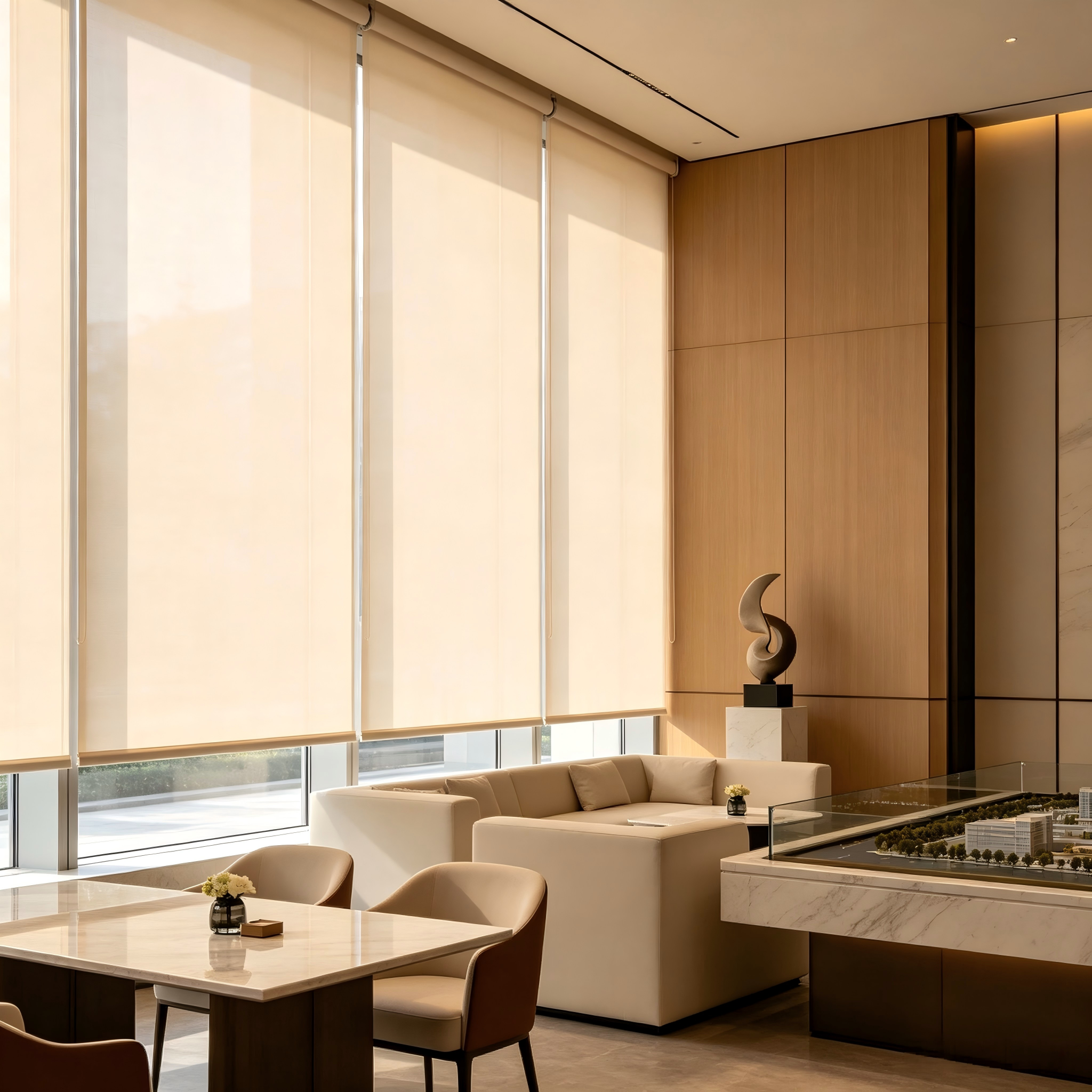
Commercial Buildings: Retail  spaces  benefit from sunscreen shades by minimizing heat gain while allowing natural light to enter,  creating  a pleasant shopping experience for customers.  

Healthcare Facilities:  In hospitals and clinics, controlling sunlight exposure is critical for  patient comfort and the preservation of medical equipment. Sunscreen  shades can help maintain optimal conditions in patient rooms and waiting areas.

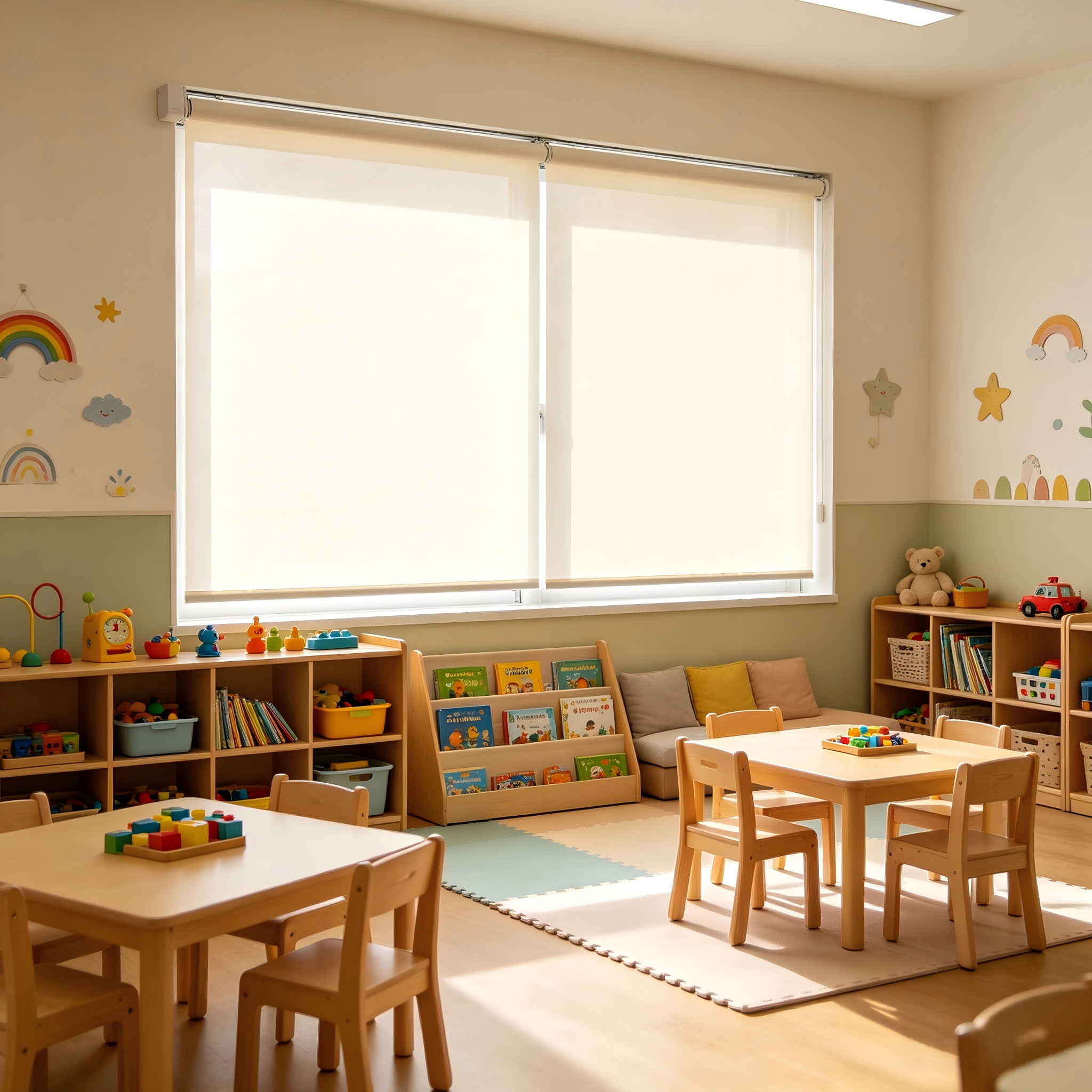
Educational Institutions: Schools and universities can utilize sunscreen shades to  create conducive learning environments by managing glare and heat in classrooms  and lecture halls.

Residential Projects: While primarily focused on industrial applications, many contractors  also install sunscreen shades in residential settings for aesthetic appeal  and  energy efficiency, including options like Venetian Blinds.

By understanding  the diverse applications of sunscreen shades, buyers  can identify  opportunities for their use, ensuring they select the right products  for their specific needs.

The selection and installation of sunscreen shades require  careful consideration of materials, specifications, and applications. By addressing these aspects, buyers can  confidently navigate  their purchasing decisions to enhance comfort and efficiency in various settings.

Wholesale Purchasing Options for High-Quality Sunscreen Shades

When sourcing sunscreen shades  for  commercial or industrial applications, buyers should explore various wholesale  purchasing options to ensure quality  and cost-effectiveness. Manufacturers like Wintom, with over  29 years of experience in intelligent window decoration, offer a range of  customization capabilities to meet unique project  requirements, including options like Curtains & Drapery.


Consider ordering directly from manufacturers to  benefit from  competitive pricing and bulk discounts. It's essential  to confirm  minimum order quantities  (MOQ) and lead times, as these can vary significantly  based  on the supplier's production capacity and stock availability. Furthermore, ensure that the supplier provides clear specifications, including material types, dimensions, and performance features, to ensure the shades meet the necessary  standards for your  intended application.

Buyers should also evaluate the supplier's quality control processes. Look for  manufacturers that conduct rigorous  testing and certification of  their products to guarantee durability and performance, especially in demanding environments. Options like Roller Blinds can also be considered for various applications.

Frequently Asked Questions

What are sunscreen shades and how do they work?

Sunscreen shades are window coverings that block UV rays and reduce glare. They use tightly woven fabrics or coatings to reflect and absorb sunlight, lowering indoor heat and protecting interiors from fading.
We offer various fabrics with different openness factors, from room-darkening to light-filtering. Materials include polyester blends with UV-resistant coatings tailored for solar control and durability.
Yes. With our intelligent window solutions, sunscreen shades can be motorized, integrated with smart controls, timers, and building automation for convenient remote operation.
Yes. Designed for long-term performance, our shades suit offices, hotels, homes, and public buildings, improving comfort, energy efficiency, and privacy.
We provide product warranties and technical support backed by over 29 years of R&D and production experience. Specific warranty terms depend on product model and installation details.

Get Your Custom Project Solution Fast

Commercial Shading / Fire Shutter / Smart Building Projects for Hotel, Office, Airport
Your Name
Email
Mobile
Project Type
Short Message
0/1000

Related product categories