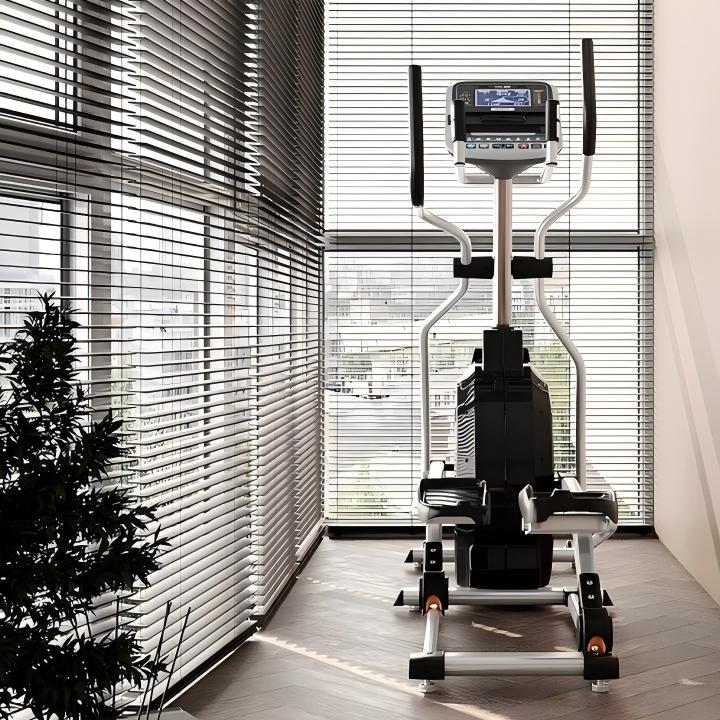
Reliable Wholesale Shading Systems for Your Projects

shading systems

Shading systems are essential  components  for controlling light and heat in residential, commercial,  and  industrial spaces. As  a  B2B buyer, whether you’re a purchasing manager,  distributor, or project engineer, your key  concerns often  include product quality, material selection,  and application suitability. ,  we will explore how to  select the right shading system for your projects,  where to  source  reliable wholesale options, key specifications to consider, the material  advantages of various systems, and common  installation issues, all  informed  by over 29 years of experience from Wintom, a leader in intelligent window decoration.
 
Tips for Contractors

Tips for Contractors

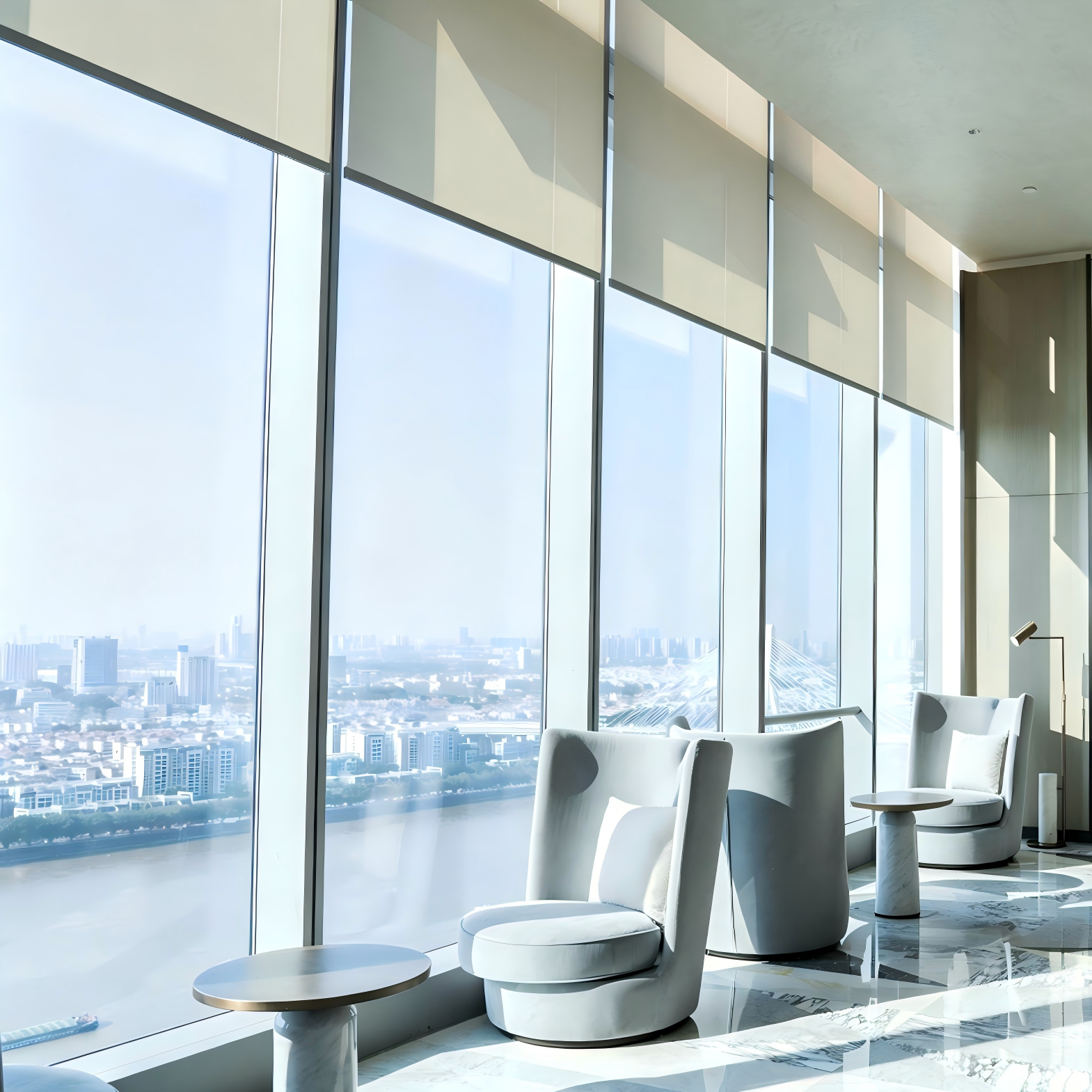
Finding a trustworthy  supplier  for wholesale shading systems is crucial for ensuring product  quality  and consistency.  Look for  manufacturers with a solid  track record in the industry, such as  Wintom,  which has been  in business since  1997. When sourcing suppliers, consider  their production capabilities, quality  control processes, and experience in exporting to your target markets.

Engaging with suppliers who  offer samples  before  bulk  orders is advisable. This allows you to assess material quality, fit, and functionality firsthand. Additionally, inquire about minimum order quantities  (MOQs) and lead times,  as these factors can significantly impact your supply chain planning.
 
Key Criteria for Buyers

Key Criteria for Buyers

When  evaluating shading systems, certain specifications should be prioritized  to ensure the product meets your needs. Key specifications include:

Material Composition: This  affects durability, thermal performance, and aesthetics. Common  materials include  fabric,  aluminum, and PVC, each offering distinct benefits.  For example, aluminum is  highly  durable and suitable for external applications, while fabric  can provide excellent  thermal insulation.

Dimensions: Accurate  sizing is critical for effective installation  and  performance. Ensure that the dimensions specified by  the manufacturer align with  your project requirements.

Operating Mechanism: Whether manual or motorized, the operating mechanism should be user-friendly and reliable. Motorized  systems can offer convenience, especially in larger installations, such as Motorized Curtain Tracks.

UV Protection and Energy Efficiency Ratings: Look for shading systems that provide adequate UV protection and energy efficiency certifications, which  can influence long-term operational costs.

Understanding these specifications allows  buyers to make  informed decisions that align with their project requirements.

Common Problems with Shading Systems and Their Effective Solutions

Common Problems with Shading Systems and Their Effective Solutions

Different materials used  in shading systems come with distinct advantages that  can affect overall performance. Here’s a breakdown  of popular materials:

Fabric: Known for its versatility, fabric offers a wide range of colors and patterns. It provides excellent thermal insulation and can be treated  for additional UV protection. However, it may require more maintenance than  other materials.

Aluminum:  This material  is  highly durable and resistant to  corrosion,  making it ideal for  outdoor  applications. Aluminum shading systems can effectively block  sunlight  while offering a  sleek, modern look.

PVC: Often used for interior applications, PVC is lightweight and cost-effective. While it  may not offer the  same durability as  aluminum, it can be a suitable  choice for  temporary or less demanding installations.

The choice of material should align with the specific application conditions, including environmental factors and expected wear and tear.

Applications of Shading Systems in Various Industrial Settings

While installing shading systems,  several common issues can arise, each  with potential solutions:

Improper Measurements: One of the most frequent  problems is inaccurate measurements, leading to difficulties in installation. To mitigate this, always double-check dimensions and consider having a professional installer assess the site.

Material Compatibility: Sometimes, the chosen shading material may not be suitable for the intended application, leading to performance issues. When selecting materials, consult with suppliers about the best  options  for your specific conditions, including exposure  to sunlight, moisture, and temperature variations.

Complex  Installation:  Some shading systems may require specialized installation  techniques. It’s crucial to follow the manufacturer’s guidelines and, when necessary,  engage trained professionals to ensure correct  installation.

Maintenance  Challenges: Buyers should also consider the long-term maintenance of their shading systems. Choosing materials  that are easy  to clean and maintain can save time and costs in the future.

By addressing these common challenges proactively, buyers can  enhance the  longevity and performance of their shading installations.

Navigating the complexities of shading systems requires careful consideration  of various factors—from material selection to installation challenges. By understanding these elements, B2B buyers can make informed decisions that ensure their projects are successful and meet both functional  and aesthetic requirements. Whether  you’re sourcing products or planning installations, leveraging  the expertise of established manufacturers like Wintom can provide significant advantages in achieving high-quality results.

Where to Source Reliable Suppliers for Quality Shading Systems

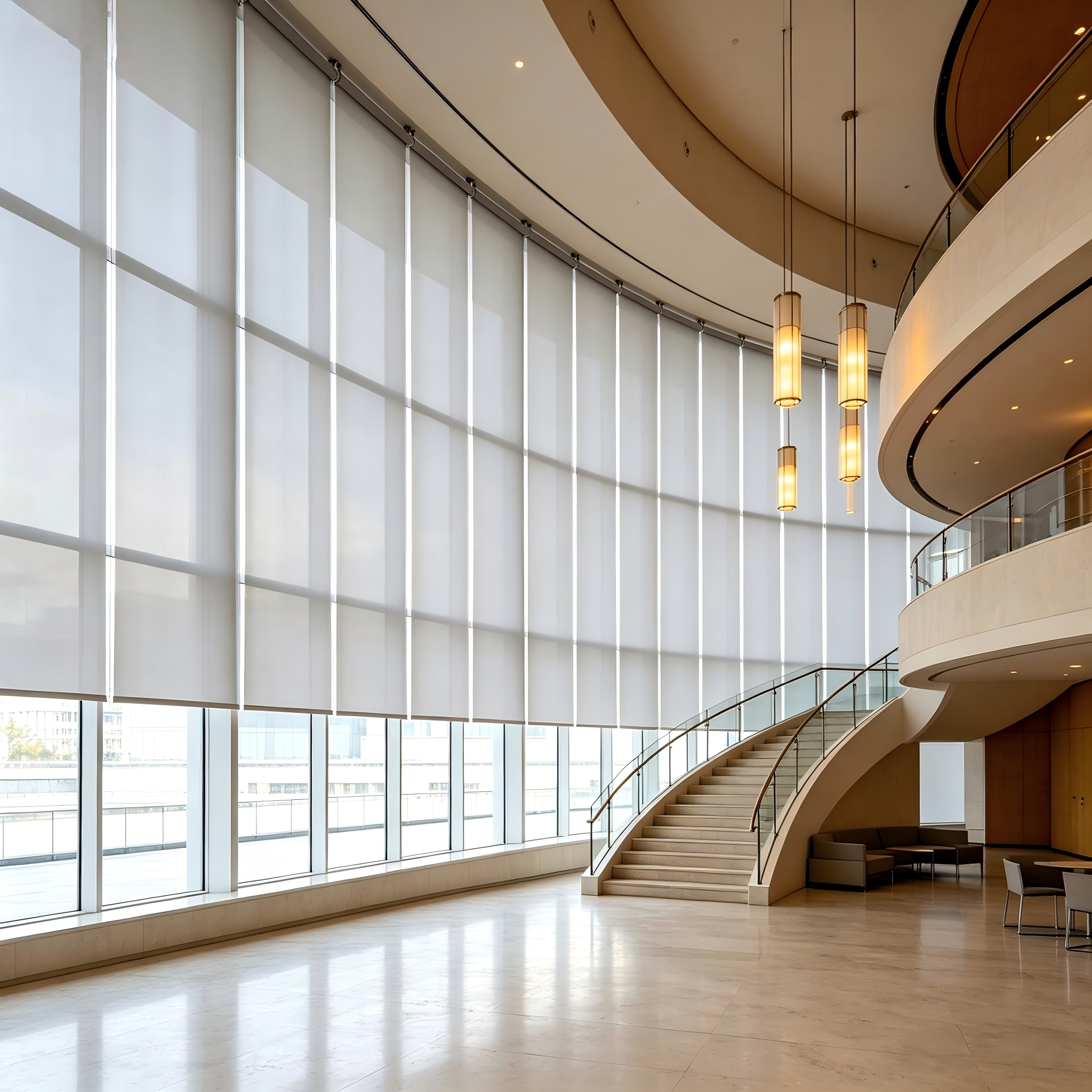
Selecting the appropriate shading system involves understanding the specific  requirements of your project.  Factors such as the building's orientation, the  intended  use  of the space,  and energy efficiency goals are vital. For  instance, in a commercial setting  where large  windows are prevalent, solar control shading systems can significantly  reduce glare and heat gain, enhancing comfort and reducing  energy costs. You might also want to consider options like Roller Blinds for a sleek aesthetic.

It's also essential to consider the aesthetics of  the shading  system. The  design should complement the overall architecture while providing functionality.  Wintom’s  extensive range of products allows for customization in  color, material,  and design, ensuring  that your shading solution not only meets performance standards but also aligns  with your design vision. For instance, integrating Curtains & Drapery can enhance the overall look.

Frequently Asked Questions

What types of shading systems do you offer?

We offer motorized blinds, roller shades, blinds with smart controls, and custom engineered exterior and interior shading solutions for residential and commercial projects.
Yes. Our systems include motorized options and integrate with common smart-home protocols for remote control, scheduling, and automation.
Yes. With 29+ years of R&D and production experience, we design scalable, durable shading systems tailored to project specifications and performance requirements.
We provide a range of fabrics, aluminum, PVC and composite materials with multiple color and finish options to meet aesthetic and functional needs.
We provide product warranty, technical support, and installation guidance backed by long-term R&D expertise to ensure reliable performance and maintenance.

Get Your Custom Project Solution Fast

Commercial Shading / Fire Shutter / Smart Building Projects for Hotel, Office, Airport
Your Name
Email
Mobile
Project Type
Short Message
0/1000

Related product categories