Choosing Public Building Shading Systems Effectively

public building shading systems

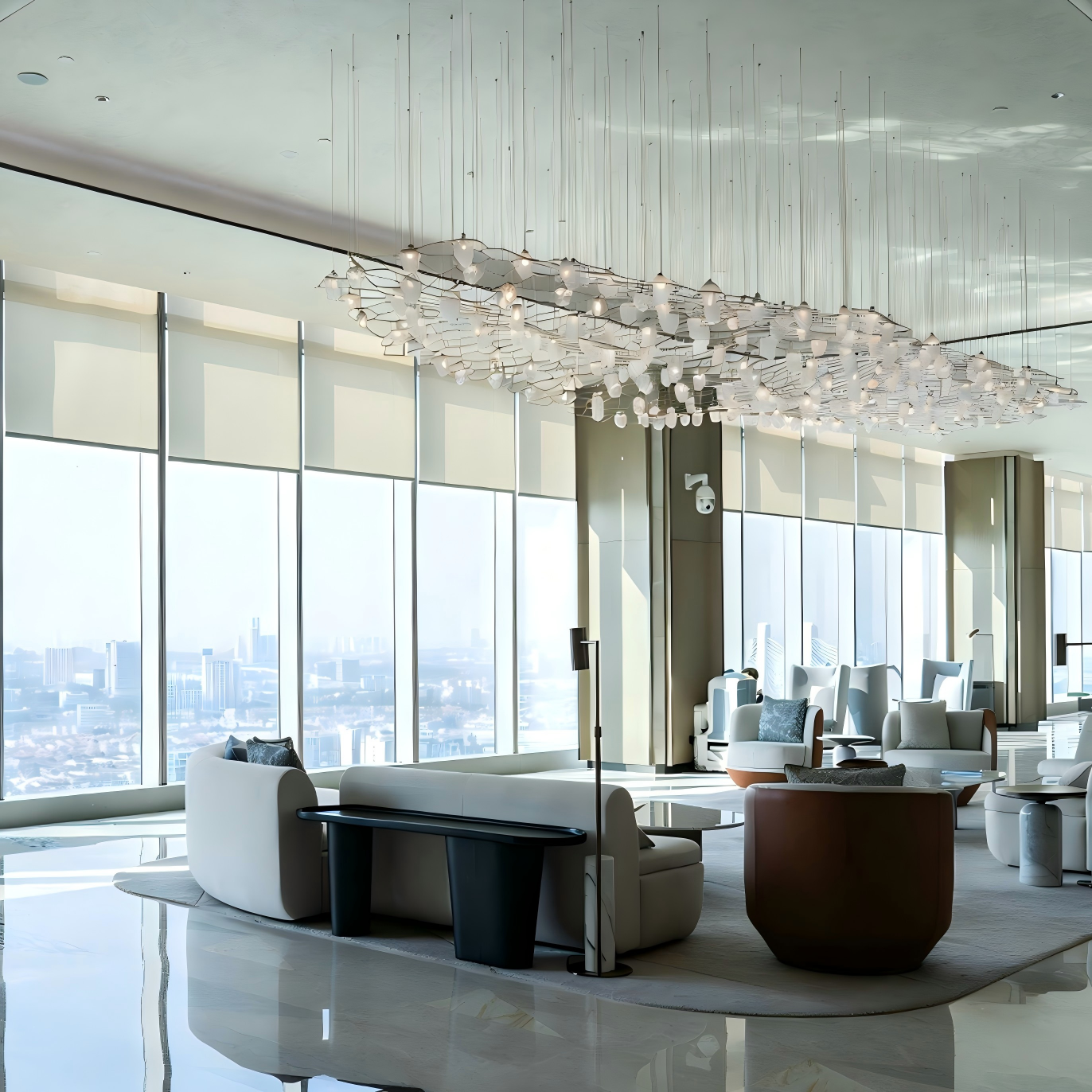
Public building shading systems  are  essential components  designed to control  sunlight  and heat  within commercial and public structures. They  not only enhance aesthetic  appeal but also contribute to energy efficiency and  occupant comfort. For professionals involved in purchasing or specifying these systems—such  as purchasing managers, engineers, and project managers—understanding the key factors  in selection,  installation, and maintenance is crucial. This  article will cover how to choose  the right  public building shading systems for your projects, key specifications  to evaluate, cost  factors, installation  guidance,  and solutions  to common problems associated with these systems.
Key Specifications to Evaluate in Public Building Shading Systems

Key Specifications to Evaluate in Public Building Shading Systems

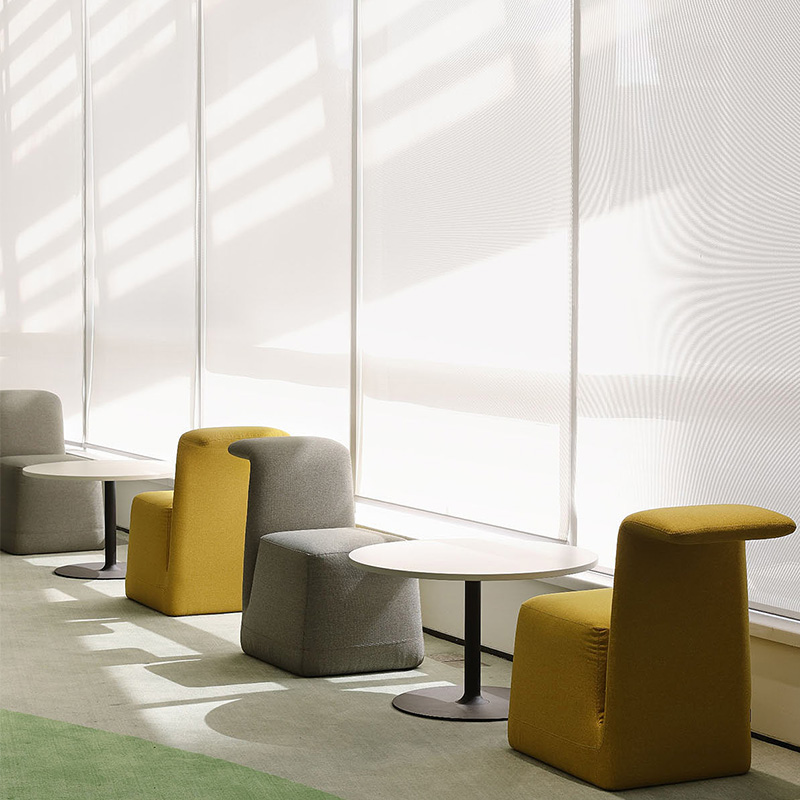
When evaluating  public building shading  systems, several key specifications should be  considered:

Dimensions: Accurate measurements are vital. Ensure that the specified dimensions match the intended installation area. Improper sizing can lead to inadequate shading and aesthetic mismatches.

Material Properties: Evaluate the  thermal and  weather-resistant properties of the materials used.  For instance, fabrics may require UV resistance and water  repellency, while metals  should  be treated for rust  prevention.

Load-Bearing Capacity: Depending  on the design, shading systems may need to withstand wind loads or other environmental  pressures. Specify systems that  meet the  necessary load requirements for your project.

Operating Mechanism: Determine whether the shading system is manual or motorized.  Automated systems can offer convenience and energy savings,  but they may require additional installation considerations, such as  those needed for Motorized Curtain Tracks.

Maintenance  Requirements: Assess the maintenance needs associated with the selected materials and designs. Some systems may require regular cleaning or replacement of components to maintain functionality.

By understanding these  specifications, you can ensure that the shading systems will perform effectively and meet  project requirements.
Comparing Cost Factors for Public Building Shading Systems Purchases

Comparing Cost Factors for Public Building Shading Systems Purchases

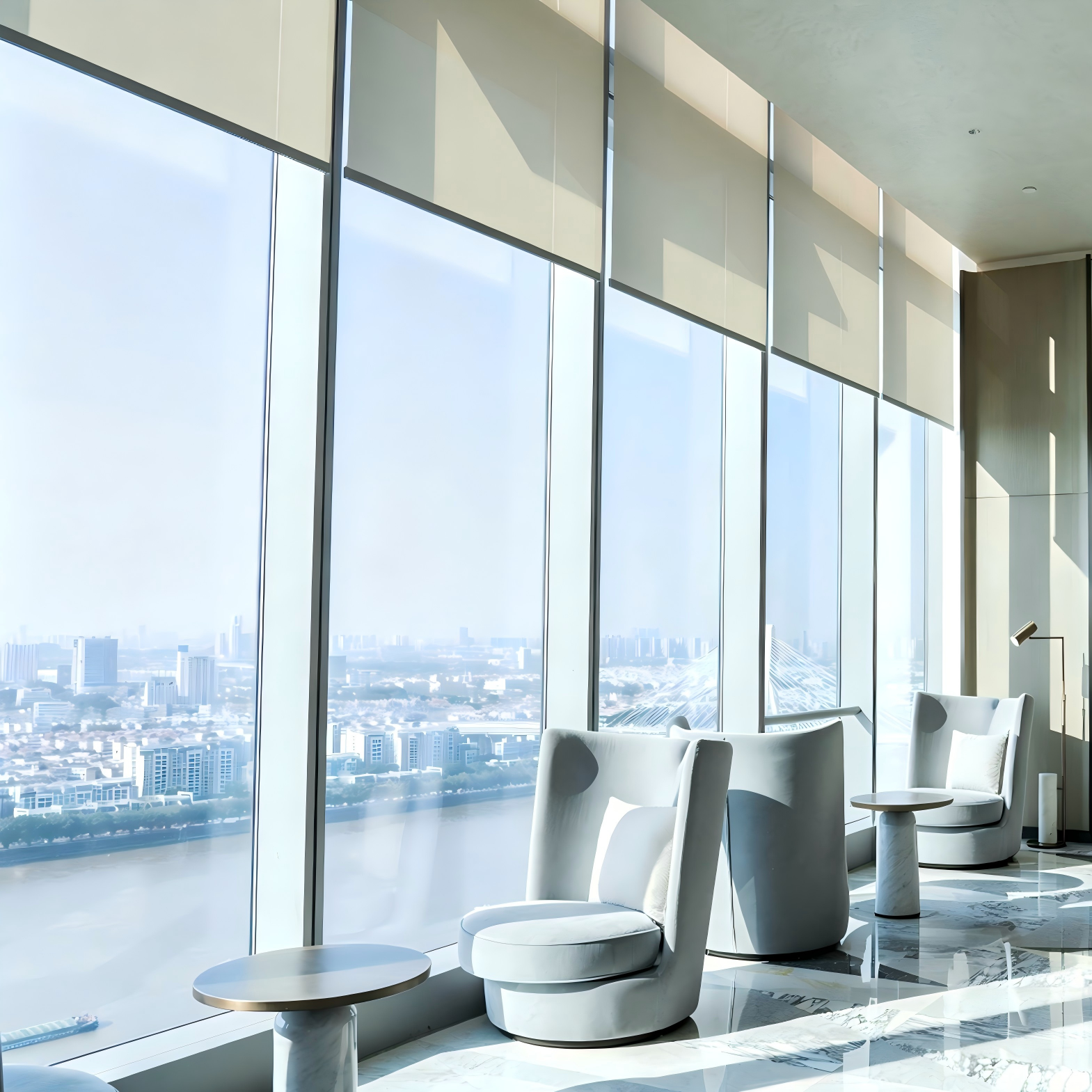
Cost considerations for public building shading  systems can vary widely based on several factors:

Material Costs: Different materials carry different price points.  For  example, aluminum  is generally more affordable than hardwood but may  vary based on thickness and finish.

Customization Fees: Custom systems can incur additional costs for design and fabrication. Be sure to clarify whether these fees are included in initial  quotes or if  they will be added later.

Installation Expenses: Consider  labor costs required for installation. Complex systems may require  specialized installation, which can increase  overall project  expenses.

Long-Term  Savings: Evaluate the potential for energy savings through  reduced heating and cooling costs when selecting shading  systems. Higher upfront  costs may be offset by long-term energy efficiency.

Warranty  and Support:  Understand the warranty terms and availability of support services. A higher initial investment in a  robust system may lead to  lower long-term costs.

By analyzing these factors,  buyers can make informed decisions that balance upfront expenditures with long-term value.

Installation Guidance for Efficient Public Building Shading Systems

Installation Guidance for Efficient Public Building Shading Systems

Proper installation  of public building  shading systems is  critical for optimal performance. Here are some essential steps:

Site  Assessment: Before  installation, conduct a thorough site assessment to identify potential obstacles and  ensure  proper placement  for maximum  effectiveness.

Preparation  of Surfaces: Ensure that installation surfaces are clean, level, and structurally sound.  Any  imperfections can  affect the alignment  and performance of the shading systems.

Follow Manufacturer Guidelines: Always adhere to the manufacturer’s installation  instructions. These  guidelines are developed based on the system’s design and intended use and are crucial for maintaining warranty coverage.

Testing Mechanisms: After installation, test any motorized  or automated functions to ensure they operate correctly. This step helps prevent operational issues down the  line.

Regular Maintenance Checks: Schedule periodic inspections to assess the condition of the shading systems and address any wear or damage early.

By following these installation guidelines, you  can ensure that the shading systems will perform as  intended and provide long-lasting benefits.

Common Problems with Public Building Shading Systems and Their Solutions

Despite their many benefits,  public building shading systems  can encounter  a range of issues. Here are some common problems and  their solutions:

Misalignment: Over time, shading systems may become misaligned due to wind or structural shifts. Regular inspections can help identify misalignment early, allowing for adjustments before significant damage occurs.

Fabric Wear: If fabric shading systems are used, they may suffer from wear due to UV exposure. Choosing high-quality, UV-resistant  fabrics can mitigate this issue, but regular inspections are necessary to replace worn materials promptly.

Mechanical Failures: Motorized  systems may experience failures. Ensure that installation includes high-quality  components  and that regular maintenance  checks are performed.

Ineffective Shading: Sometimes, systems may not provide adequate shading. This  could be due to incorrect sizing or installation. Regular feedback  from building occupants can help identify whether adjustments are  needed.

Water Accumulation: In some cases, shading  systems can collect water, leading to additional weight and strain. Proper drainage solutions should be integrated into the design  to prevent this issue.

By anticipating these problems and implementing  proactive solutions, you can enhance the performance and lifespan of public building shading systems.

In summary, public building shading systems are a vital aspect of modern architecture that require careful consideration during selection, installation, and maintenance. By understanding the key specifications, cost  factors, and  potential challenges, professionals can make informed decisions that enhance both the functionality and aesthetics of their  projects.

How to Choose the Right Public Building Shading Systems for Your Projects

When selecting public building shading systems, consider the specific  requirements of your project, including architectural design, environmental conditions, and intended use. The primary factors to evaluate include:

Sunlight Control: Determine the level of solar radiation the building will receive based  on its geographic location. Systems such as  vertical or horizontal louvers can provide varying degrees of shading depending  on the sun's path.

Material  Selection: The  choice of materials  affects durability and maintenance needs. Common materials include aluminum, wood, and fabric, each offering unique benefits. For example, aluminum systems are lightweight and resistant  to corrosion, making them ideal for urban settings. You might also consider using Curtains & Drapery for a stylish finish.

Energy Efficiency: Look for  systems with  high thermal performance ratings.  Some shading solutions include integrated  technologies that improve energy efficiency, such as  automated systems that respond to sunlight.

Customization Options: Consider whether the system  can be tailored to fit specific dimensions or  aesthetic requirements of the building. Customization can enhance functionality  while aligning with the building's design.

Regulatory  Compliance: Ensure that the chosen systems  meet  local building codes and standards, which may dictate specific performance and safety requirements.

By assessing these  factors, you can select a shading system that aligns with both functional needs and aesthetic goals.

Frequently Asked Questions

What types of public shading systems do you offer?

We provide motorized and manual exterior and interior shading solutions for public buildings, including large venetian, roller, louver and façade systems tailored to architectural needs.
Yes. Our intelligent shading systems support integration with common BMS protocols for automated control, scheduling, sensors and centralized management.
With 29+ years RD experience, we offer bespoke design, materials, finishes, dimensions and control options to meet aesthetic and performance requirements.
We use high-quality materials and industrial-grade components. Routine maintenance plans, spare parts supply and technical support are provided to ensure long-term performance.
Lead time varies by project size; typical delivery is weeks to months. We provide technical consultation, on-site installation guidance and commissioning support.

Get Your Custom Project Solution Fast

Commercial Shading / Fire Shutter / Smart Building Projects for Hotel, Office, Airport
Your Name
Email
Mobile
Project Type
Short Message
0/1000

Related product categories