Library Blinds: Reliable Supplier and Installation Guide

library blinds

Library blinds are essential window  treatments for  various  environments, including commercial  and  educational spaces where light control,  privacy, and aesthetics  are  crucial. For  buyers looking to procure library blinds in bulk, understanding the specifications, supplier reliability,  and installation guidance can streamline  the purchasing  process. This article will  explore  essential factors that B2B buyers, such as  purchasing managers and distributors,  should consider when  selecting library  blinds to ensure they meet their operational needs  and quality standards. Additionally, for those interested in electric options, products like LM50 Top Track Electric Roman Blind can provide modern solutions for light control.
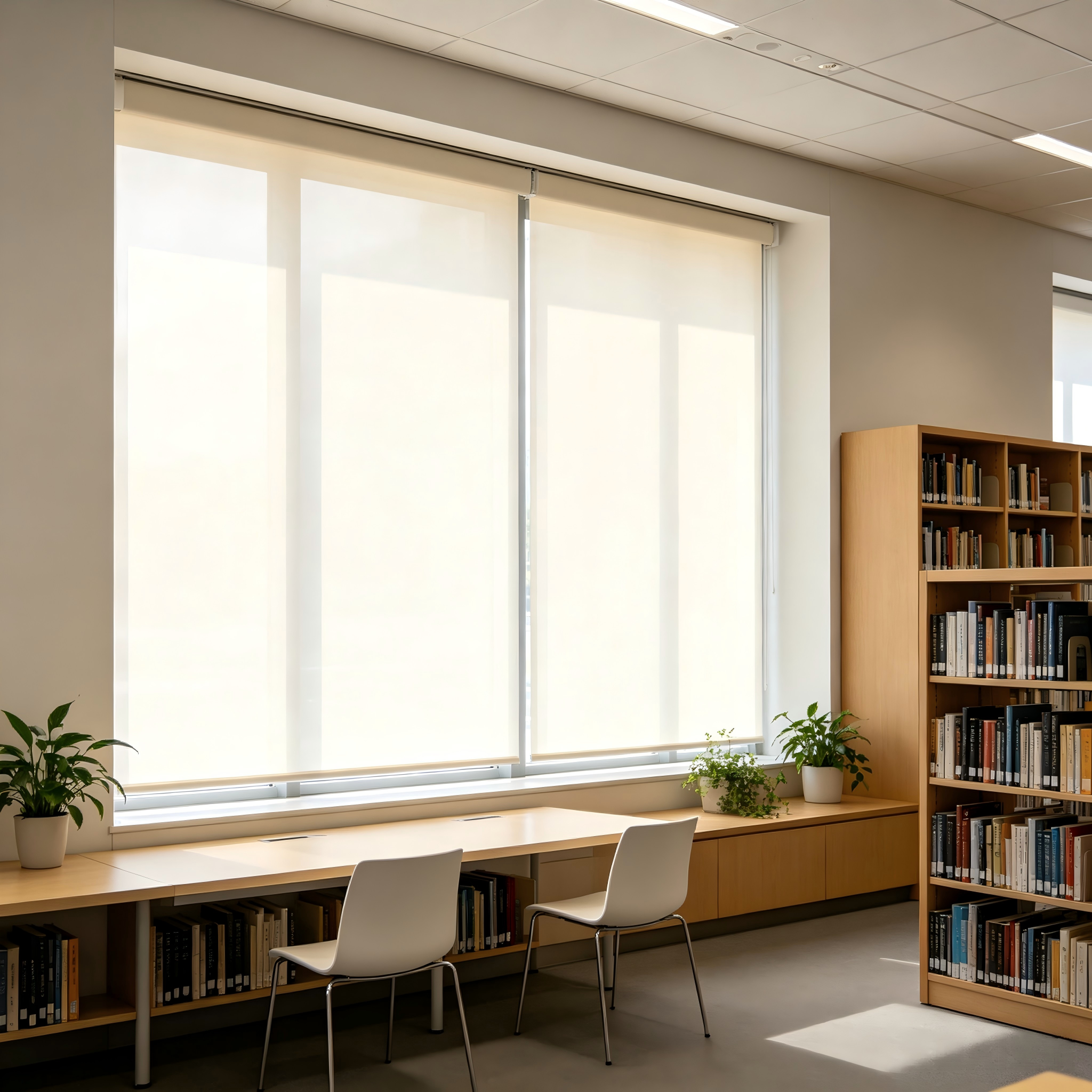
 
What to Look for in a Reliable Library Blinds Supplier

What to Look for in a Reliable Library Blinds Supplier

Selecting a reliable supplier for library blinds is crucial  for ensuring  product quality and consistent supply. Buyers should evaluate potential suppliers based on several key criteria:

Experience and Expertise: Look for suppliers with a proven track  record in the industry. Wintom, established in 1997, has over 29 years of experience in manufacturing intelligent window decorations.  Their expertise can  be a significant advantage in  understanding product specifications  and industry standards.

Quality Control Processes: A robust quality assurance  process is vital. Suppliers should provide information on  their quality control measures to ensure that the library blinds meet the required standards. This includes inspections at various production stages  and certification of materials used.

Customization Capabilities: Many  projects require specific sizes, colors, or functionalities. A supplier that offers  customization options can better meet unique buyer needs. Discussing these  requirements upfront can help  in obtaining accurate quotations and samples.

Customer  Support: A  responsive customer service team is essential for addressing any issues or  questions that may arise during the purchasing process. Evaluating supplier responsiveness through initial communications can provide insights  into their overall reliability.

 
Library Blinds Installation Guidance for Contractors and Distributors

Library Blinds Installation Guidance for Contractors and Distributors

Once library blinds are procured,  proper installation is key to ensuring their functionality and longevity. Contractors and distributors  should follow these guidelines:

Preparation: Before installation, ensure that the window frames are  clean and free from obstructions. Measuring window dimensions accurately is crucial to avoid  installation issues.

Installation Process: Most library blinds come with specific installation instructions.  Follow these carefully, paying  attention  to mounting hardware and alignment. For instance, some blinds  may  require brackets that need to be secured to  the  wall or window frame.

Testing  Functionality: After installation, it's essential to test the blinds  for smooth operation.  Check that they  open and close easily and that any motorized components work correctly. For advanced motorization, options like the Xiaozhi Q5 Electric Opening Rail can enhance usability.

Maintenance Tips: Provide clients with maintenance instructions, such as cleaning methods and troubleshooting  common issues. Regular maintenance can extend the life of the blinds and maintain  their  aesthetic appeal.

A Comprehensive Overview

A Comprehensive Overview

Library  blinds  serve multiple purposes,  including light control,  privacy, and energy efficiency. They can be made from various  materials, each  offering distinct  advantages. For example, aluminum  blinds are durable and easy to clean, while fabric options can provide enhanced aesthetics  and thermal insulation.

The  manufacturing process typically involves  cutting, assembling, and finishing materials to meet specified dimensions and quality standards. Wintom utilizes advanced production equipment to ensure precision  and quality  in every product.

Buyers should also consider the environment in which  the blinds  will  be installed. Factors such  as exposure to sunlight,  humidity  levels, and temperature fluctuations can influence material selection and  design. Additionally, understanding the intended use—whether for reading rooms, study areas, or auditoriums—can aid in selecting the most suitable product.

Common Problems with Library Blinds and Their Effective Solutions

Despite their benefits, library blinds can  present some common challenges. Understanding  these  issues can  help buyers and users address them effectively:

Stuck  Blinds: If blinds become stuck, it may be due  to misalignment during installation or debris blocking the mechanism. Regular maintenance and cleaning can prevent this issue. If stuck  blinds persist, reviewing installation instructions or contacting the supplier for troubleshooting advice is recommended.

Fading or Discoloration: Exposure  to sunlight can lead to fading in certain materials. Buyers  should  consider UV-resistant materials or coatings when selecting blinds for areas with significant  sunlight exposure.

Mechanical  Failures: For motorized blinds, mechanical failures can occur if maintenance is neglected. Regularly checking battery levels and ensuring the mechanism  is free of dust  and debris can mitigate  this risk.

Incorrect Sizing: Sizing issues often arise  from inaccurate measurements. It’s advisable to double-check dimensions and consult with the supplier regarding  the best practices for measuring windows to avoid costly mistakes.

By understanding these potential problems and their solutions, purchasing managers and distributors can make informed decisions and maintain optimal  functionality in their  library environments.


Library Blinds for Bulk Orders

When considering bulk orders of library blinds, several factors come into play. First, determining the correct specifications—such as dimensions, materials,  and  operational requirements—is vital. For  instance, library blinds may  come in various materials including aluminum, wood, or fabric, each offering different levels  of light control and durability.

Additionally, buyers should  consider the minimum  order quantity (MOQ), which  can vary by supplier. Understanding  the MOQ can help in budgeting and  inventory  planning. Communicating clearly with suppliers about your exact needs,  including dimensions and desired  materials, will  facilitate a  smoother  ordering process. 

It's also beneficial to establish lead times for bulk orders. Suppliers like Wintom, with extensive manufacturing experience, can provide  estimated timelines based on current production capabilities and  order sizes. Engaging suppliers  early in the planning stage can help mitigate delays.

Frequently Asked Questions

What are library blinds and their main benefits?

Library blinds are window coverings designed for quiet light control and privacy in reading spaces. They reduce glare, protect books from UV, and create a controlled, comfortable environment for study and preservation.
We offer durable fabrics, aluminum slats, and blackout options in minimalist and classic styles. Materials are chosen for light control, low maintenance, and long-term UV resistance.
Yes. With 29+ years in intelligent window decoration, we offer motorized and smart control options compatible with timers, remote controls, and building automation systems.
Measure width and height at three points and use the smallest width and largest height. For recess mounts, subtract standard clearance; we can provide precise guidance based on your window type.
We provide professional RD-based support, installation guidance, and a manufacturer warranty covering defects. Warranty length and service terms are provided with each purchase.

Get Your Custom Project Solution Fast

Commercial Shading / Fire Shutter / Smart Building Projects for Hotel, Office, Airport
Your Name
Email
Mobile
Project Type
Short Message
0/1000

Related product categories