Quality Insulated Blinds for Commercial Use

insulated blinds

Insulated blinds  are innovative window coverings designed  to enhance energy  efficiency while  providing  privacy and light  control. In  the  B2B sector, purchasing managers, facility managers, and architects increasingly prioritize  insulated blinds for their commercial properties due to rising energy costs  and  sustainability goals.  This article will  guide you through evaluating the quality  of insulated blinds for bulk orders,  their applications in various  commercial  spaces, common issues you may encounter, and  how to  find reliable  suppliers.
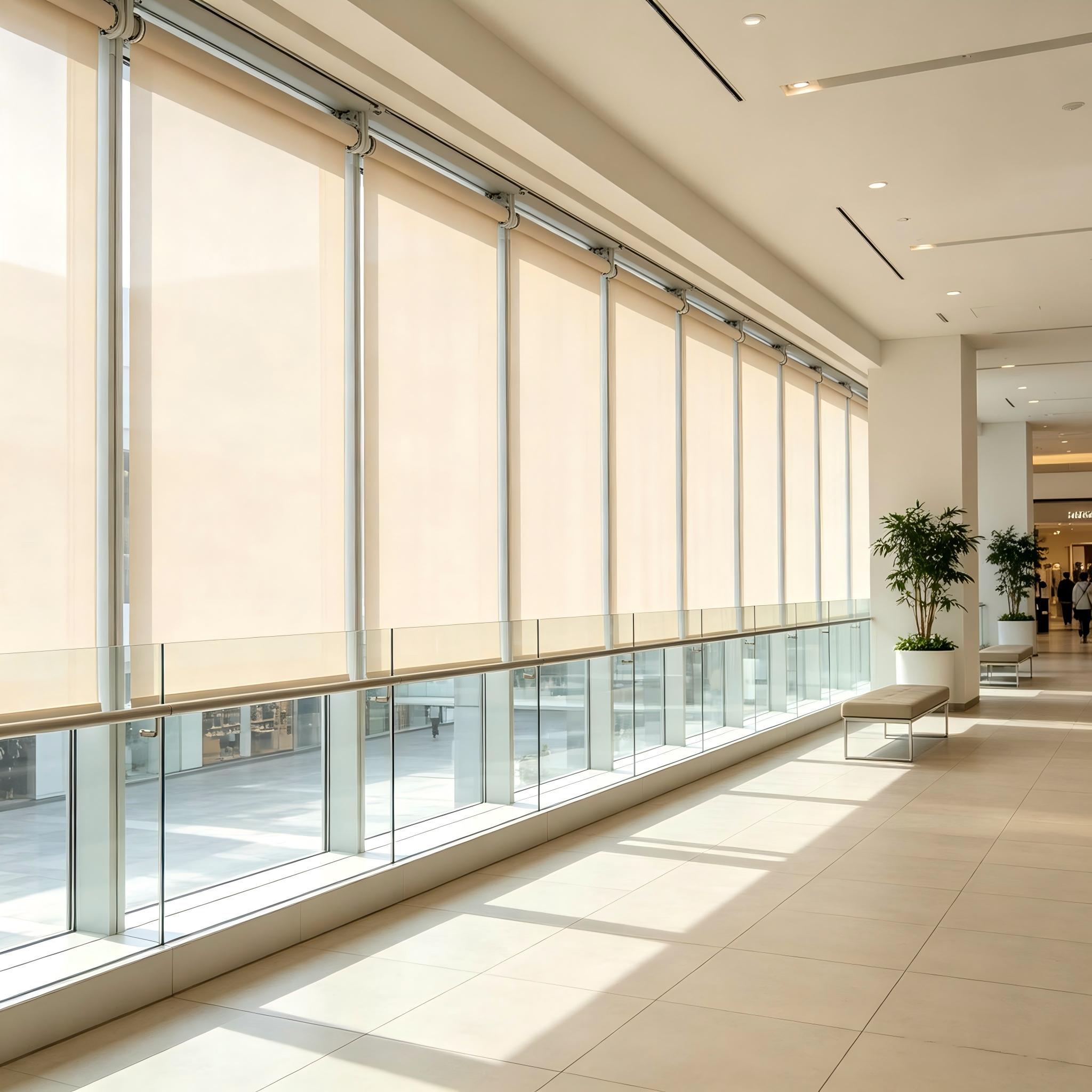
How to Evaluate the Quality of Insulated Blinds for Bulk Orders

How to Evaluate the Quality of Insulated Blinds for Bulk Orders

Evaluating  the  quality of insulated blinds  involves several  critical factors:

Material Specifications: Assess the materials used in  the blinds. For instance, fabrics that are treated for UV resistance not only improve durability but also enhance energy efficiency by reducing heat gain.

Dimensions and Fit: Check that the blinds are  manufactured  to precise dimensions. A common issue is that blinds may look correct on paper  but fail to fit properly once installed. Request detailed technical drawings and confirm dimensions before placing an order.

Thermal Performance: Look for thermal  performance ratings, such as R-values, which measure  insulation effectiveness.  Higher R-values indicate better insulation, crucial for energy savings and  climate control.

Customization Options: Many suppliers  offer customization, which can  be advantageous for unique applications. Evaluate whether the  manufacturer can accommodate specific  design needs, such as color matching or  unique sizes.

Sample Approval: Prior to mass production, obtaining and approving a sample can prevent costly  mistakes. Evaluate the sample for material quality, design accuracy,  and overall  aesthetics.

Applications of Insulated Blinds in Commercial Spaces and Beyond

Applications of Insulated Blinds in Commercial Spaces and Beyond

Insulated blinds serve a multitude of applications across various commercial environments.  In office buildings, they  help regulate indoor temperatures, thereby reducing reliance  on HVAC systems. This is particularly beneficial in regions with extreme weather  conditions.

In retail spaces, insulated blinds can enhance the shopping  experience by providing  glare control  and  maintaining comfortable temperatures.  Moreover, their  aesthetic appeal can  complement a store’s design, fostering a  welcoming environment.


In hospitality, insulated blinds  contribute to guest  comfort by ensuring privacy and minimizing  energy costs. They are also suitable for healthcare  facilities, where controlling light and temperature is  essential for patient comfort  and  energy efficiency.

Common Problems with Insulated Blinds and Effective Solutions

Common Problems with Insulated Blinds and Effective Solutions

Despite their advantages, insulated blinds can encounter  several common  issues:

Poor Insulation: Sometimes,  blinds may not perform as expected in terms of insulation. This can arise from improper installation or inferior materials. Ensure that  blinds are installed by qualified professionals and  that they meet the specified thermal performance criteria.

Wear and Tear:  Over time, blinds  can suffer from wear, leading to issues like sagging or fading. Regular maintenance  and  cleaning can  prolong the life of the blinds. Consider selecting materials that are resistant to fading and wear, especially for high-traffic areas.

Operational Difficulties: Mechanisms for raising and lowering  blinds might fail due  to poor construction. Choose suppliers  who provide warranties and  support, indicating confidence in their product quality.

Moisture  Damage:  In humid  environments, some materials may absorb moisture, leading to mold or mildew. Opt  for moisture-resistant materials and ensure proper  ventilation in areas  where blinds are installed.

Where to Find Reliable Suppliers of Insulated Blinds for Your Needs

Finding a trustworthy supplier for insulated blinds requires thorough research.  Start by looking for manufacturers with a strong  reputation in the industry,  such  as Wintom, which boasts over 29 years of  experience in intelligent window  decoration.

Industry Connections: Networking within industry  associations can help you  identify reputable suppliers. Attending trade shows or  industry conferences can also  provide direct interaction with potential suppliers.

Online Research: Utilize online platforms to review supplier  ratings and customer testimonials. Websites that specialize  in B2B connections can offer insights into supplier reliability and product  offerings.

Request for Quotations (RFQs): When you  find potential suppliers, prepare an RFQ detailing your specific  requirements,  including  material types, dimensions, and quantity. This will help you obtain accurate  quotes and assess the responsiveness and professionalism of the suppliers.

Sample Requests: Don’t hesitate to request samples before committing to a bulk order.  This allows you to evaluate the product's quality and performance firsthand.

By understanding these aspects of insulated blinds, you can make informed purchasing decisions that align with your operational needs and budgetary constraints.


Quality You Can Trus

When investing in insulated  blinds, quality  assurance is paramount. High-quality  insulated blinds typically  feature multi-layered construction that  enhances thermal insulation.  Look for  materials like high-density foam or specialized fabrics that have been tested for thermal resistance.


Furthermore, consider the manufacturing process. A reputable manufacturer,  such as Wintom, employs advanced production  technologies  that ensure  consistent quality and performance. This includes  rigorous  quality control processes that  assess the blinds at various stages, from raw material selection to  final inspection. Understanding the certifications a manufacturer holds, such as ISO standards or energy efficiency ratings,  can also indicate their commitment  to  quality.


Frequently Asked Questions

What are insulated blinds and how do they work?

Insulated blinds are window coverings with thermal layers or air pockets that reduce heat transfer. They trap air and reflect sunlight to improve insulation, lowering heating and cooling needs and improving indoor comfort.
Our insulated blinds use high-quality fabrics, aluminum or PVC slats, foam cores, and reflective coatings chosen for thermal performance, durability, and easy maintenance.
Yes. Properly installed insulated blinds reduce heat loss in winter and solar gain in summer, lowering HVAC load and potentially cutting energy costs depending on climate and usage.
We provide motorized and intelligent control solutions compatible with common home automation systems, offering remote, scheduled, and sensor-based operation for convenience and efficiency.
We offer manufacturer warranty and professional after-sales service from our experienced RD and production team, including installation guidance, maintenance tips, and defect resolution.

Get Your Custom Project Solution Fast

Commercial Shading / Fire Shutter / Smart Building Projects for Hotel, Office, Airport
Your Name
Email
Mobile
Project Type
Short Message
0/1000

Related product categories